
By Bosphorus News Geopolitics Desk
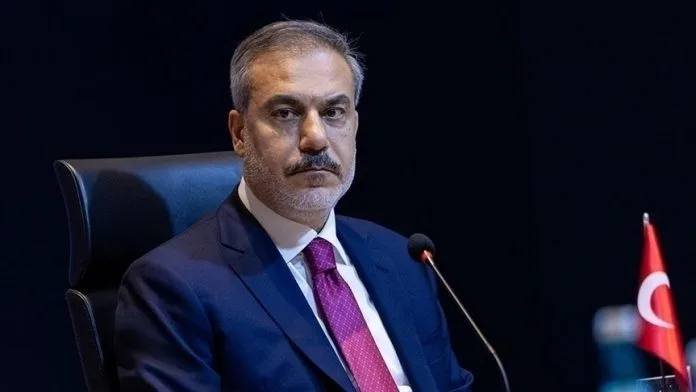
Egypt reaffirmed its strategic partnership with Greece and its trilateral cooperation with Greece and the Republic of Cyprus on August 22, nine days after Turkish Foreign Minister Hakan Fidan stood beside his Egyptian counterpart and argued that Cairo should join the Mecca Joint Defense Agreement.
Cairo already works closely with Türkiye, Saudi Arabia and Pakistan, yet its Eastern Mediterranean policy also rests on maritime agreements, energy projects and security mechanisms built with Greece and the Republic of Cyprus, several of which Ankara contests.
Fidan identified Egypt as the most likely next member after Türkiye, Saudi Arabia and Pakistan signed the agreement on August 7. Bosphorus News reported on August 9 that he expected Cairo to join once what he described as remaining technical issues were resolved. Egyptian officials have since described a broader review.
Cairo Is Still Studying the Pact
Fidan traveled to Egypt on August 13 for talks with Foreign Minister Badr Abdelatty in El Alamein, where he repeated the invitation publicly, said Türkiye had consulted Egypt from the beginning and called Cairo a "natural partner." He expressed hope that Egypt would soon become a formal partner and pointed to the Regional Four mechanism linking Türkiye, Egypt, Saudi Arabia and Pakistan as an existing base for closer cooperation.
Abdelatty said Egypt had been briefed before the agreement was signed and was examining it seriously, but his description went beyond the technical questions Fidan had mentioned five days earlier. He said defense agreements create legal and constitutional obligations that have to be examined before Egypt reaches a decision, while Egyptian accounts also referred to technical issues still under review.
The two ministers did not publicly disagree. Fidan spoke about resolving the outstanding issues around accession; Abdelatty spoke about examining what Egypt would be committing itself to.
Egypt already meets the three signatories through the Regional Four mechanism. President Abdel Fattah El-Sisi hosted the foreign ministers of Egypt, Türkiye, Saudi Arabia and Pakistan in Cairo in June and called for the consultation format to develop into a more effective structure for regional security.
The Mecca agreement would go further by adding a collective-defense commitment. An armed attack on one signatory is treated under the pact as an attack on all three, and Fidan has said assistance could include intelligence, logistics, ammunition or military units following consultations and depending on the request of the state under attack. Cairo has not yet accepted that obligation.
Fidan Linked Egypt to His Greece-Israel-Cyprus Argument
During the same El Alamein press conference, Fidan described cooperation among Greece, Israel and the Republic of Cyprus as a Mediterranean security arrangement directed against Türkiye. He placed Türkiye to the north, Egypt to the south and the three-country partnership between them.
He contrasted that arrangement with the Mecca pact, which he said was not directed against any particular country. Bosphorus News examined Fidan's argument after the El Alamein meeting, but Cairo did not adopt his description and continued its contacts with Athens and the Republic of Cyprus immediately afterward.
On August 14, Abdelatty spoke with Republic of Cyprus Foreign Minister Constantinos Kombos. Egypt's State Information Service said they agreed to continue implementing existing agreements and memoranda, particularly in investment and energy.
Eight days later, Abdelatty spoke with Greek Foreign Minister Giorgos Gerapetritis. Egypt described Greece as a strategic partner and said the ministers supported continued coordination through the Egypt-Greece-Cyprus trilateral mechanism.
Gerapetritis was asked the following day what Egyptian membership in the Mecca agreement would mean for Greece. He again described Egypt as a strategic partner and called trilateral cooperation with Cairo and the Republic of Cyprus stable and substantive, without presenting Egyptian accession as a choice between Greece and Türkiye.
Egypt Already Has Treaties Ankara Opposes
Egypt's relations with Greece and the Republic of Cyprus are anchored in treaties as well as political cooperation.
Egypt and the Republic of Cyprus signed an exclusive economic zone delimitation agreement in 2003. It entered into force the following year and is registered with the United Nations. Türkiye objected on the grounds that parts of the delimitation affected areas where Ankara claims continental shelf rights.
Egypt and Greece signed a partial exclusive economic zone delimitation agreement in Cairo in August 2020, which Türkiye also rejected. Both agreements remain part of Cairo's maritime position as it considers entering a defense structure with Ankara.
The relationship with the Republic of Cyprus has since moved into energy infrastructure. President El-Sisi and Republic of Cyprus President Nikos Christodoulides witnessed the signing of a natural-gas cooperation framework in Cairo on March 30 intended to connect Cypriot offshore discoveries with Egyptian processing facilities and possible export routes.
By August, Egypt's Petroleum Ministry was also discussing implementation of a memorandum with ExxonMobil and QatarEnergy examining how Cypriot gas discoveries could be linked to facilities in Egypt.
Cairo has not said that these arrangements prevent it from joining the Mecca agreement, and Türkiye has not publicly demanded that Egypt revise or abandon them. Accession would, however, place long-standing Greek and Republic of Cyprus partnerships inside a collective-defense structure that includes Türkiye while Ankara continues to dispute parts of the maritime framework supporting those relationships.
Greece Is Keeping Its Links to Mecca Pact Members
Athens has given no indication that it regards the Mecca agreement as the boundary of a rival camp.
Asked on August 23 whether Egyptian membership should prompt Greece to reconsider its Patriot deployment in Saudi Arabia, Gerapetritis rejected the connection and described Egypt and Saudi Arabia, one of the pact's three founding members, as strategic partners of Greece.
The Greek Patriot battery remains deployed in Saudi Arabia to protect critical infrastructure, and Gerapetritis said the mission also provides training benefits for Greek personnel. Athens therefore retains defense relationships with Cairo and Riyadh while Saudi Arabia is bound to Türkiye and Pakistan under the new agreement.
Egypt moves through many of the same relationships from the other direction, conducting military exercises with Türkiye and participating in the Regional Four while preserving its trilateral mechanism with Greece and the Republic of Cyprus.
Iran Proposed a Broader Group and Stayed Outside
Iran had raised its own version of a wider security grouping shortly before the Mecca agreement was signed.
Two days before the August 7 signing, Tehran described a proposal involving Iran, Türkiye, Pakistan, Saudi Arabia and Egypt. Bosphorus News found at the time that the proposal appeared only in the Iranian account of a call between the two countries' defense ministers; Türkiye's official account did not mention it.
The agreement that emerged included Türkiye, Saudi Arabia and Pakistan, leaving Iran and Egypt outside. Fidan later said it was not aimed at Iran, while Iran's Foreign Ministry said Tehran had no reason to regard it as an attempt to encircle the country.
Tehran had therefore floated a broader grouping containing nearly the same states but was not included in the agreement that followed. Egypt remains outside as well, although the three signatories continue to discuss Cairo as a possible next member.
Egypt Has Not Put Its Other Partnerships on Hold
Bangladesh's interest in the Mecca agreement raises questions about non-alignment, Pakistan and India. Egypt comes to the same pact with a different set of commitments already embedded in the Eastern Mediterranean.
Cairo participates in the Regional Four with Türkiye, Saudi Arabia and Pakistan and maintains defense cooperation with members of the pact. It also has a strategic partnership with Greece, a standing trilateral mechanism with Greece and the Republic of Cyprus, maritime delimitation agreements with both and energy plans tied to Cypriot offshore gas.
Fidan's El Alamein remarks placed Egypt geographically opposite a Greece-Israel-Republic of Cyprus partnership that he described as directed against Türkiye. Within days, Cairo reaffirmed its relations with Athens and the Republic of Cyprus without endorsing Ankara's characterization.
Cairo has so far given no indication that accession would require it to revise its agreements with Greece or the Republic of Cyprus, alter the trilateral mechanism or step back from its Cypriot energy plans.
Sources: Türkiye's Ministry of Foreign Affairs, Egyptian Presidency, Egypt State Information Service, Hellenic Ministry of Foreign Affairs, United Nations Treaty Collection, Egypt Ministry of Petroleum and Mineral Resources, Reuters, Ahram Online, Bosphorus News review and reporting.