
By Bosphorus News Geopolitics Desk
United Nations Secretary-General António Guterres began a three-day visit to Cyprus with the Greek Cypriot and Turkish Cypriot sides still divided over the basis for renewed negotiations. His arrival followed coordination between Greece and the Republic of Cyprus and shuttle contacts by UN envoy María Ángela Holguín Cuéllar in Brussels and Ankara.
The sinking of the Turkish-managed Golden Leo reinforced pressure on Black Sea shipping, Kazakhstan revived an Istanbul-based formula for the Ukraine war, and Türkiye prepared five F-16s for a NATO air policing mission in Estonia.
Guterres Cyprus Visit Tests Entrenched Positions
Guterres arrived for separate meetings with Republic of Cyprus President Nikos Christodoulides and Turkish Cypriot leader Tufan Erhürman before bringing them together on July 29.
The visit follows Holguín's meetings with European Commission Executive Vice-President Raffaele Fitto in Brussels and Turkish Foreign Minister Hakan Fidan in Ankara.
Christodoulides wants negotiations to resume from the point reached at Crans-Montana in 2017 under United Nations Security Council resolutions and European Union law. Greece supports that position and coordinated with the Republic of Cyprus before the visit.
Türkiye and the Turkish Cypriot side insist that sovereign equality and equal international status must be accepted before formal negotiations begin.
The contacts have not narrowed the dispute over the basis of a settlement. Guterres will test whether the two sides can advance confidence-building measures while their positions on formal negotiations remain incompatible.
Black Sea Shipping Crisis Widens After Golden Leo Sinks
The Turkish-managed Golden Leo sank off Odesa after sustaining damage in a missile strike that killed members of its crew.
As Bosphorus News reported, the cargo ship remained afloat for several days before going down in Ukrainian waters.
Its loss came as shipowners reduced calls at Ukrainian Black Sea ports and redirected cargo through alternative routes, including Romania's Constanța hub. Rising war-risk insurance costs are reducing the number of operators willing to enter Ukrainian waters, affecting grain, steel and other exports.
The disruption is no longer confined to Ukraine's port approaches. Pressure on traffic around Novorossiysk and routes used for Kazakh oil exports is extending the commercial impact across the eastern Black Sea, with direct consequences for Turkish-owned and Turkish-managed vessels active in the region.
Tokayev Revives Istanbul Formula for Ukraine War
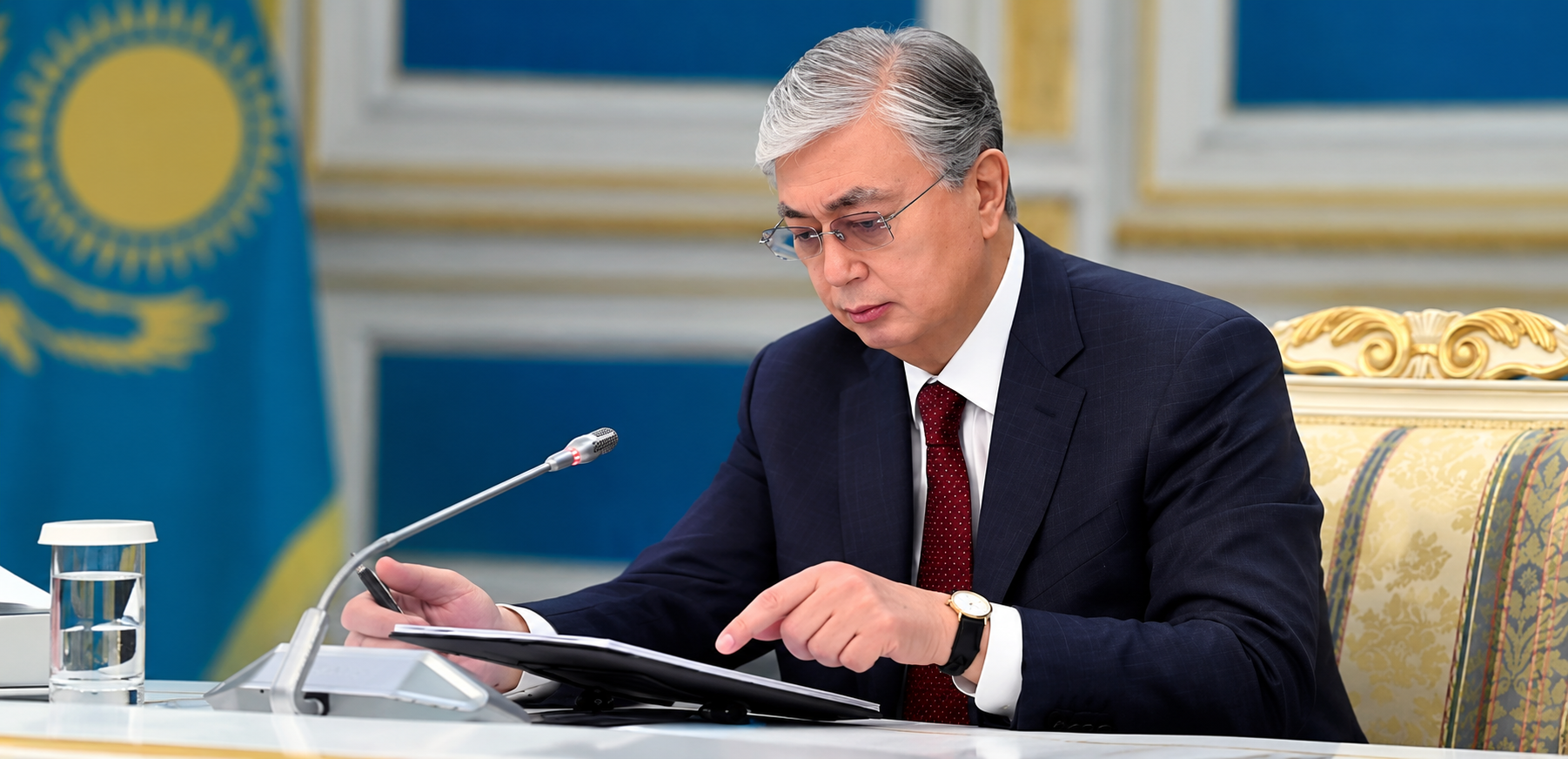
Kazakh President Kassym-Jomart Tokayev called for renewed attention to the diplomatic work undertaken in Istanbul as a possible basis for negotiations to end the Russia-Ukraine war.
Kyiv supports a halt to fighting along the current front lines, while Moscow rejects a freeze that leaves its broader political and territorial demands unresolved, including disagreement over whether a ceasefire should precede negotiations or emerge from them.
As examined in a Bosphorus News report on Tokayev's proposal, the initiative is not an agreed peace plan. It nevertheless places Türkiye's earlier mediation work back into the diplomatic debate as the maritime conflict widens.
Türkiye Sends F-16s to NATO Baltic Mission
Türkiye will deploy five F-16 fighter jets and 76 personnel from the 181st Jet Fleet Command, known as Pars Filo, to Estonia's Ämari Air Base from August to November.
The unit will join NATO's Baltic Air Policing mission and maintain alert duties covering Estonia, Latvia and Lithuania.
NATO had asked Türkiye to bring its planned contribution forward. As Bosphorus News reported in January, the request reflected pressure on fighter availability and continuity along the alliance's northeastern flank.
A subsequent Turkish rotation is expected in Romania between December 2026 and March 2027, extending Ankara's air policing role from the Baltic to the Black Sea.
Türkiye's operational role in NATO continues to expand even as its return to the F-35 program remains blocked by the S-400 dispute and US law.
Ercan Plan Opens Debate Over Status and Integration
A proposal to give Ercan Airport domestic-route-style treatment linked to Türkiye has exposed conflicting descriptions inside the Turkish Cypriot government.
Transport Minister Erhan Arıklı promotes a Batumi-inspired model intended to lower fares and align parts of the airport's operation with Türkiye's civil aviation system.
Prime Minister Ünal Üstel rejects any suggestion that Ercan will formally enter Türkiye's domestic airport network. He says it will remain the international gateway of the Turkish Republic of Northern Cyprus and that the work concerns costs and technical arrangements, not jurisdiction or sovereignty.
Aviation specialists question whether the Batumi arrangement can serve as a legal precedent because it rests on an agreement between two internationally recognized states.
No Turkish regulatory decision, implementation protocol or timetable has been published, leaving open whether domestic-style economic treatment can be separated from closer regulatory integration with Türkiye. The dispute is detailed in a Bosphorus News report on the Ercan proposal.
Al-Sharaa Credits Erdoğan With Syria Sanctions Diplomacy
Syrian President Ahmed al-Sharaa said President Recep Tayyip Erdoğan played a direct role in efforts to secure the lifting of international sanctions on Syria.
Al-Sharaa said Türkiye and Saudi Arabia mediated with Washington and that Erdoğan raised the Caesar Act restrictions with US President Donald Trump.
He argued that measures imposed over crimes committed by the former Syrian government should not continue to burden the population after its removal.
The remarks place Türkiye and Saudi Arabia at the center of contacts between Damascus and Washington over sanctions relief and reconstruction access.
Poll Tests Yeni Parti's National Support
A July AREA Research survey placed a hypothetical Yeni Parti led by Özgür Özel at 19.4 percent after undecided voters were distributed.
Under the same scenario, the ruling Justice and Development Party received 34.2 percent and the Republican People's Party 11.8 percent.
The survey was conducted with 2,030 respondents across all 81 provinces between July 11 and 15 and reported a margin of error of 2.18 percentage points.
The result does not measure an established party with a completed organization or program. It tests whether Özel's parliamentary break with the CHP could attract support beyond the lawmakers who followed him.
The findings add an electoral dimension to the struggle over the CHP's identity examined by IBNA EU publisher and Bosphorus News contributing editor Spiros Sideris in his analysis of Yeni Parti.
Strategic Take
Guterres has returned the Cyprus question to direct leader-level diplomacy, but the increased activity has not changed the positions he must reconcile. The Republic of Cyprus and Greece seek a federal settlement under the existing UN framework, while Türkiye and the Turkish Cypriot side require sovereign equality before negotiations resume.
The Black Sea presents the more immediate operational problem. Golden Leo's sinking, declining calls at Ukrainian ports and mounting pressure around Novorossiysk are reshaping commercial access, insurance costs and regional energy flows. Tokayev's Istanbul proposal offers a diplomatic counterpoint, although Moscow and Kyiv remain divided over the sequence of a ceasefire and negotiations.
Türkiye's Baltic deployment shows Ankara answering NATO requirements despite the unresolved F-35 dispute. The Ercan debate and al-Sharaa's account of sanctions diplomacy point to influence exercised through aviation rules, economic access and political mediation as well as military deployments.
Sources: United Nations reporting, Turkish and Turkish Cypriot official statements, NATO reporting, TRT Haber, Reuters, AREA Research, Turkish Cypriot media, Bosphorus News review and reporting
Read yesterday's brief: Eastern Mediterranean Strategic Brief | July 25, 2026