
By Bosphorus News Geopolitics Desk
Ukraine on July 26 welcomed Kazakh President Kassym-Jomart Tokayev's call to halt the fighting along the current front lines and return to diplomacy, while the Kremlin rejected his proposal to freeze the war under present conditions.
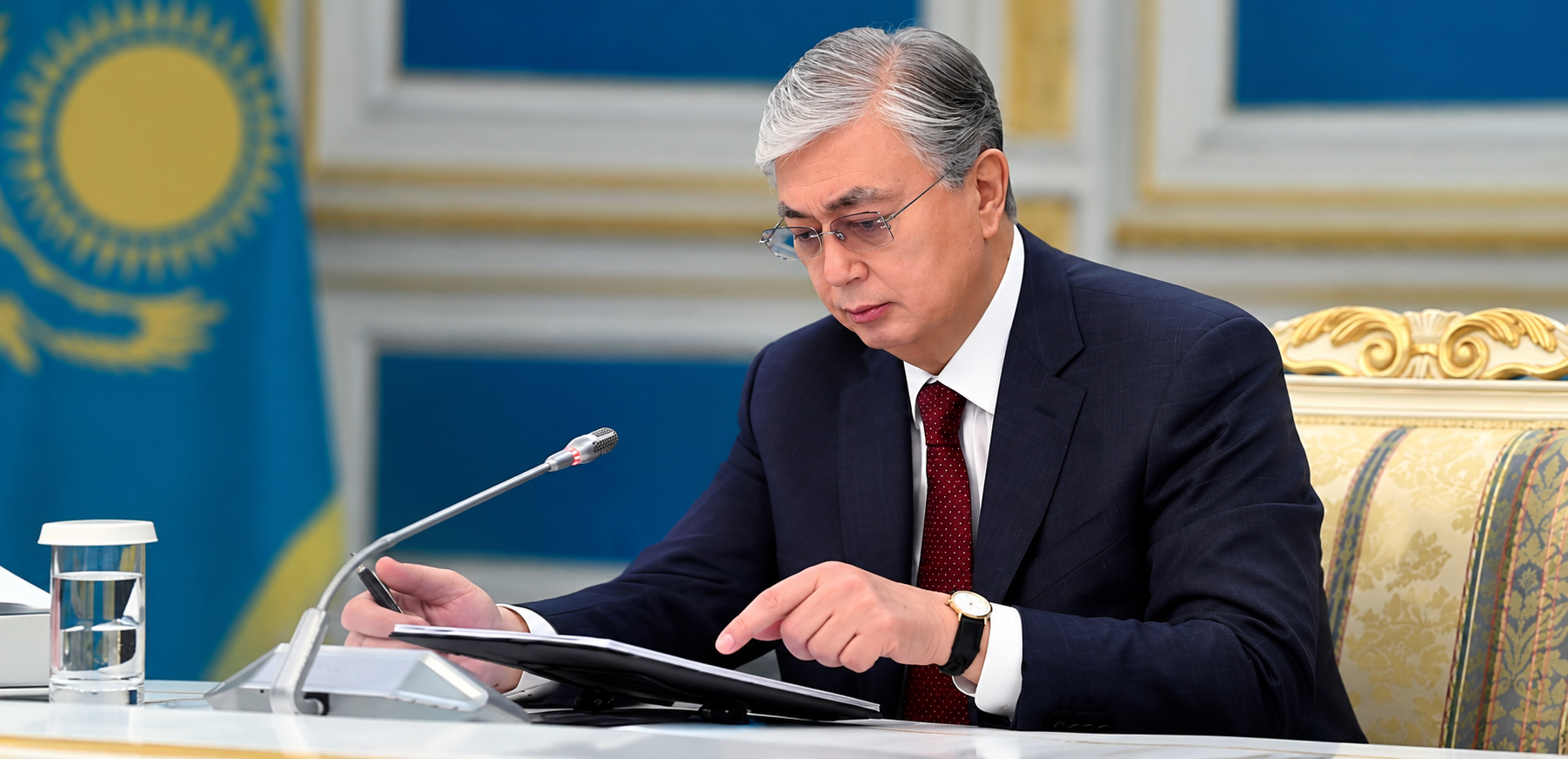
Tokayev presented the initiative during talks with Russian President Vladimir Putin in Omsk on July 25, describing the war as a conflict between two states and arguing that the time had come to consider suspending hostilities.
He proposed returning to what he called the "Istanbul Formula 2.0," followed by a broader peace process supported by security guarantees from major powers, including Russia.
Tokayev puts Istanbul back on the diplomatic agenda
Tokayev said the earlier negotiations in Istanbul had produced significant results, although they did not lead to a final political settlement.
"Istanbul Formula 2.0" is Tokayev's own description rather than the name of an agreed mechanism. He used the phrase to connect the Türkiye-hosted negotiations of 2022 with subsequent rounds of direct Russian-Ukrainian talks in the city.
The Kazakh president ruled out acting as a mediator, presenting the proposal instead as a route for Moscow and Kyiv to resume direct negotiations without placing Astana at the centre of the process.
Tokayev spoke alongside Putin during the 22nd Kazakhstan-Russia Interregional Cooperation Forum in Omsk, where the two leaders also discussed bilateral relations and regional developments, according to Kazakhstan's presidential administration.
Kyiv supports a halt along the current front line
Acting Ukrainian Foreign Minister Andrii Sybiha described Tokayev's proposal as realistic, timely and wise, saying Ukraine supported stopping hostilities along the current line of contact and moving towards diplomacy.
His response did not amount to Kyiv accepting every element of the proposed "Istanbul Formula 2.0" or reviving the terms discussed in 2022. Ukraine endorsed the call for a ceasefire and renewed negotiations while accusing Moscow of rejecting that sequence.
Kyiv maintains that any settlement must include enforceable security guarantees and prevent Russia from using a pause in the fighting to prepare for another offensive.
Kremlin says political terms must come first
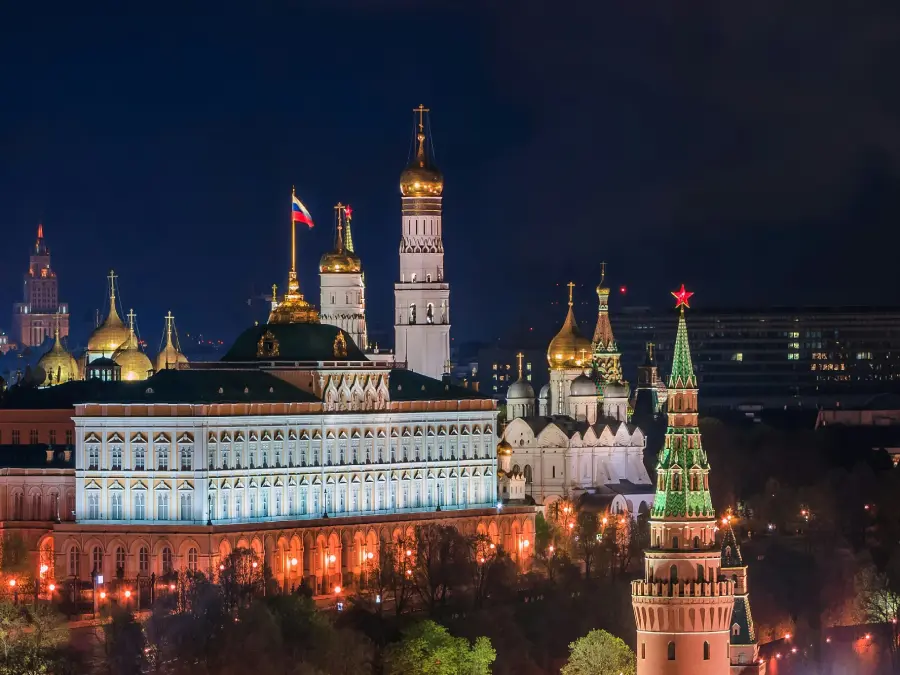
Kremlin spokesperson Dmitry Peskov said freezing the war was impossible under current conditions because of Ukraine's position.
Moscow insists that any settlement must address what it calls the root causes of the conflict and allow Russia to achieve its principal objectives before hostilities are suspended.
Peskov's response focused on the proposed freeze rather than Istanbul as a venue, saying Russia's broader political and security objectives would have to be achieved before the fighting could stop.
Kyiv therefore wants a ceasefire to open the way for negotiations, while Moscow wants the terms of a settlement addressed before agreeing to halt military operations.
Istanbul talks delivered exchanges but no settlement
Türkiye hosted the first major direct negotiations between Russia and Ukraine in March 2022, when the parties discussed Ukrainian neutrality, security guarantees and the outline of a possible postwar arrangement without reaching a signed agreement.
Later meetings in Istanbul produced prisoner exchanges and movement on humanitarian issues, but the two sides remained far apart over territorial control, sanctions, security guarantees and the sequencing of a ceasefire.
Tokayev's proposal has returned Istanbul to the diplomatic agenda, but the reactions from Kyiv and Moscow show that the central dispute remains unresolved. Ukraine wants the fighting stopped before negotiations advance, while Russia insists that its political and security demands must be addressed first.
Sources: Akorda, Kazinform, The Astana Times, Ukrainian Ministry of Foreign Affairs, Kremlin statements, TASS, Bosphorus News reporting and review.