
By Bosphorus News Türkiye Desk
Türkiye's framework law governing the dissolution and disarmament process involving the Kurdistan Workers' Party (PKK) has entered into force, but the provisions affecting investigations, prosecutions and sentences cannot yet be applied. The legal mechanism remains dependent on a verification process that begins with security institutions and requires a National Security Council decision before individual applications can start.
A follow-up, coordination and implementation board chaired by Vice President Cevdet Yılmaz is now preparing the procedures for the next stage of the "Terror-Free Türkiye" process. The board's first task is to establish how institutions will coordinate their work and how sub-commissions will handle the reporting and assessment process required under the law.
The Institutional Structure Behind the Law
The board includes the ministers of justice, foreign affairs, interior and national defence, alongside the Secretary General of the Presidency, the head of the National Intelligence Organisation (MİT) and the Secretary General of the National Security Council.
Yılmaz said the board was established when the legislation was published and that the ministries involved had already started preparations within their respective areas. Its initial meetings will focus on working procedures, institutional coordination and the formation of sub-commissions required by the disarmament and dissolution framework.
The creation of the board does not itself activate the legal provisions. It establishes the administrative structure that will prepare the findings needed before the law can be applied to individuals.
Bosphorus News previously reported how the PKK disarmament bill moved into Parliament with CHP and DEM Party support, shifting the discussion from political statements into a formal legislative process.
Parliament Speaker Numan Kurtulmuş described that transition by saying the commission's work had been "the opening of the door on the road to a Terror-Free Türkiye" and that the door had now been opened.
Verification Before Legal Benefits
The central issue after the law's entry into force is the verification sequence required before its provisions can operate.
Security institutions must first determine whether the PKK and the Kurdistan Communities Union (KCK) have ceased organisational activity and whether weapons and ammunition under their control have been surrendered. The implementation board will compile institutional findings and submit reports to the National Security Council, which will then decide whether the required conditions have been met.
Only after a confirmation decision is published in the Official Gazette can the six-month application period under the law begin.
No public timetable has been announced for the completion of the verification process, the board's reporting stage or the National Security Council review. The result is a legal framework that is already in force but whose individual provisions remain inactive until the state completes the required assessments.
The law also includes a reversal mechanism if terrorism-related offences are committed during a deferral period.
Bosphorus News previously examined the relationship between the disarmament legislation, PKK-related prosecutions and the sentence-deferral mechanism.
A Deferral Mechanism, Not a General Amnesty
The legislation does not erase convictions or remove criminal liability automatically. Instead, it creates a system for deferring investigations, prosecutions and sentence execution for defined periods after the required conditions are confirmed.
The framework covers offences including establishing or directing the organisation, membership, knowingly assisting the organisation, propaganda and certain crimes committed during organisational activity. Intentional killing committed during such activity is excluded, along with certain offences carrying life or aggravated life sentences.
The law also includes conditions for those who benefit from the mechanism, including temporary restrictions on political participation.
A major legal distinction is that the legislation changes how certain cases are handled; it does not erase the underlying judicial record.
Parliament and Executive Oversight
The implementation structure has two separate channels.
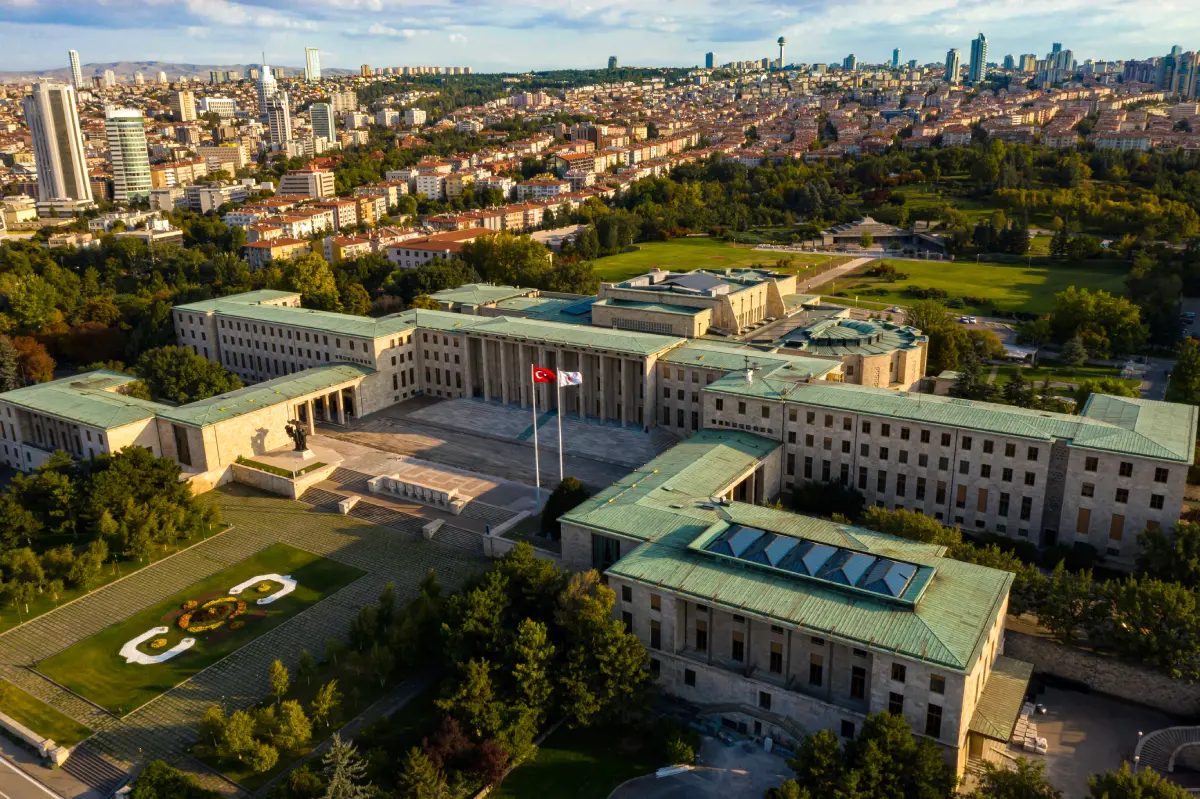
The executive side is led by the coordination board chaired by Yılmaz, which brings together government ministries, intelligence and national security institutions. The parliamentary side will operate through a monitoring commission under the Turkish Parliament Speaker's office, with parties represented according to their parliamentary strength.
The commission is expected to follow implementation, review developments and submit recommendations, while the board will provide regular information on the process.
Yılmaz has pointed to the 468 votes supporting the legislation as evidence of political backing, describing the result as important "in terms of political consensus and social ownership."
The parliamentary vote created the legal foundation for the framework. The more difficult questions will emerge when institutions must make decisions on verification, eligibility and the application of the law.
Domestic Framework, Regional Security File
The legal process remains connected to Türkiye's wider security agenda.
The National Security Council has continued to address the PKK file alongside regional counterterrorism issues involving Iraq and Syria. Bosphorus News previously reported that the National Security Council placed the PKK process within a wider regional security agenda, showing that Ankara continues to assess domestic legal steps and cross-border security developments together.
The PKK is designated as a terrorist organisation by Türkiye, the United States and the European Union.
The political coalition that supported the legal framework brought together parties that rarely share the same position on security legislation. That cooperation carried the bill through Parliament, but implementation will test whether the same level of coordination continues when institutions begin applying the verification rules.
Claims circulating about large-scale prisoner releases or specific release dates for political figures remain unconfirmed unless they are tied to decisions made through the legal mechanism established by the law.
The first reports from the implementation board and its sub-commissions will show how verification is structured in practice, including which institutions conduct assessments, how findings are documented and how disagreements are handled.
Sources: Presidency of the Republic of Türkiye, Grand National Assembly of Türkiye, National Security Council, Anadolu Agency, Bosphorus News review and reporting.