
By Bosphorus News Defense Desk
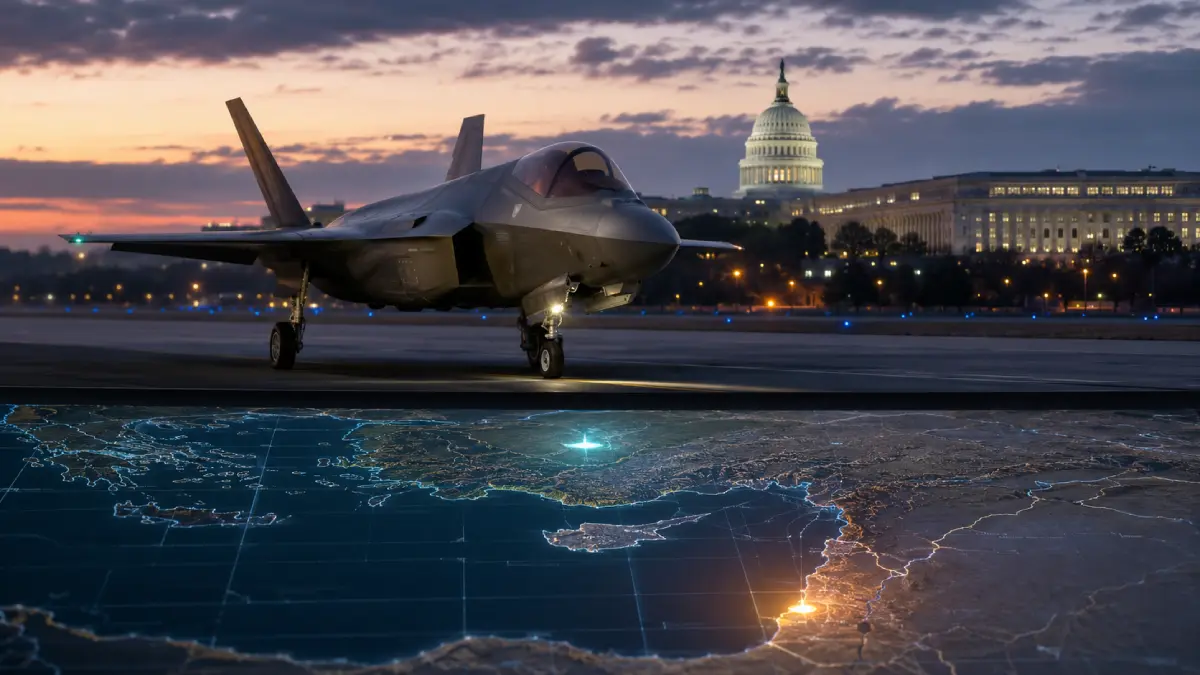
Israel's opposition to Türkiye's possible return to the F-35 programme follows decades of efforts to restrict advanced American arms sales in the Middle East. This time, however, the target is a NATO ally and former partner in the aircraft programme.
Israeli Prime Minister Benjamin Netanyahu has told U.S. President Donald Trump that supplying F-35s to Türkiye would damage the regional balance of power. American law requires the administration to protect Israel's qualitative military edge when considering arms sales to other Middle Eastern countries, but it does not give Israel a veto or automatically place Türkiye under the same test.
Türkiye's direct legal obstacle remains its possession of the Russian-made S-400 air-defence system. Netanyahu is trying to add a separate political condition based on Israel's military advantage.
Israel Has Fought Advanced U.S. Arms Sales Before
Israel's objections to American fighter sales did not begin with Türkiye.
Paul Iddon wrote in Forbes that Israeli governments challenged the Carter administration's proposed sale of F-15 fighters to Saudi Arabia and later mounted a major campaign against President Ronald Reagan's plan to provide Riyadh with Airborne Warning and Control System aircraft.
The 1981 AWACS dispute became one of Washington's hardest congressional battles over arms policy in the Middle East. Reagan argued that the aircraft were needed to protect Saudi Arabia and maintain U.S. influence. Israeli leaders said the package could weaken their country's military advantage.
The Senate approved the sale despite the Israeli campaign.
Israel raised similar concerns over the United Arab Emirates' planned acquisition of F-35s after the 2020 normalization agreement between Israel and the UAE. The Trump administration approved a package including F-35 aircraft and armed drones, but the transaction later stalled over security conditions and technology safeguards.
Those cases involved Arab states addressed by the American system protecting Israel's qualitative military edge. Türkiye enters the dispute through a different institutional route.
U.S. Law Defines the Middle Eastern Test
Congress placed Israel's qualitative military edge into law in 2008.
The legislation requires the U.S. president to assess Israel's ability to defeat conventional military threats while sustaining minimal casualties through superior weapons, intelligence, command systems and related capabilities.
American certifications for proposed arms sales to any Middle Eastern country other than Israel must include a determination that the transfer would not adversely affect that advantage.
The assessment is conducted by the U.S. administration. Israel can press its case with the White House, Pentagon and Congress, but it cannot formally block a sale by itself.
Türkiye has not traditionally been subjected to the QME review applied to Arab arms customers. U.S. agencies generally place Türkiye within their European structures, although the 2008 statute itself does not expressly identify which countries fall within its Middle East category.
Türkiye is also a NATO member and was an original international partner in the F-35 programme before Washington removed it in 2019.
Israel therefore cannot assume that the statutory QME certification used for conventional Middle Eastern arms customers will automatically govern a Turkish sale. Netanyahu must persuade American decision-makers that Turkish access to the aircraft would threaten Israel.
Netanyahu Turns Türkiye Into a Regional Threat File
Netanyahu has said he personally raised Israel's opposition with Trump.
"It would destroy the power balance in the Middle East because Turkey has aggressive aspirations," he told CNN during the NATO summit in Ankara.
His argument connects the aircraft to Türkiye's role in Syria, its relationship with Hamas and President Recep Tayyip Erdoğan's confrontation with the Israeli government. It does not treat the matter as a routine dispute over defence trade between NATO partners.
U.S. Defense Secretary Pete Hegseth cancelled a scheduled meeting with Netanyahu at which the possible Turkish F-35 sale was expected to be discussed, Reuters reported. Trump said in Ankara that he would remove sanctions imposed over the S-400 purchase and indicated that he would consider an F-35 sale, although he later said he had not made a final decision.
Earlier Bosphorus News reporting found that Israel and Greece were pressing Washington through different arguments.
Athens sought safeguards for the military balance between NATO allies and questioned whether American aircraft supplied to Türkiye could be used against Greece. Israel opposed the transfer through a broader regional security argument, challenging Türkiye's intentions rather than only the conditions governing the aircraft's use.
Washington could respond to Greek objections through operational assurances or restrictions. Netanyahu is asking the United States to judge Türkiye itself as a threat to Israel's military superiority.
The S-400 Remains the Direct Legal Barrier
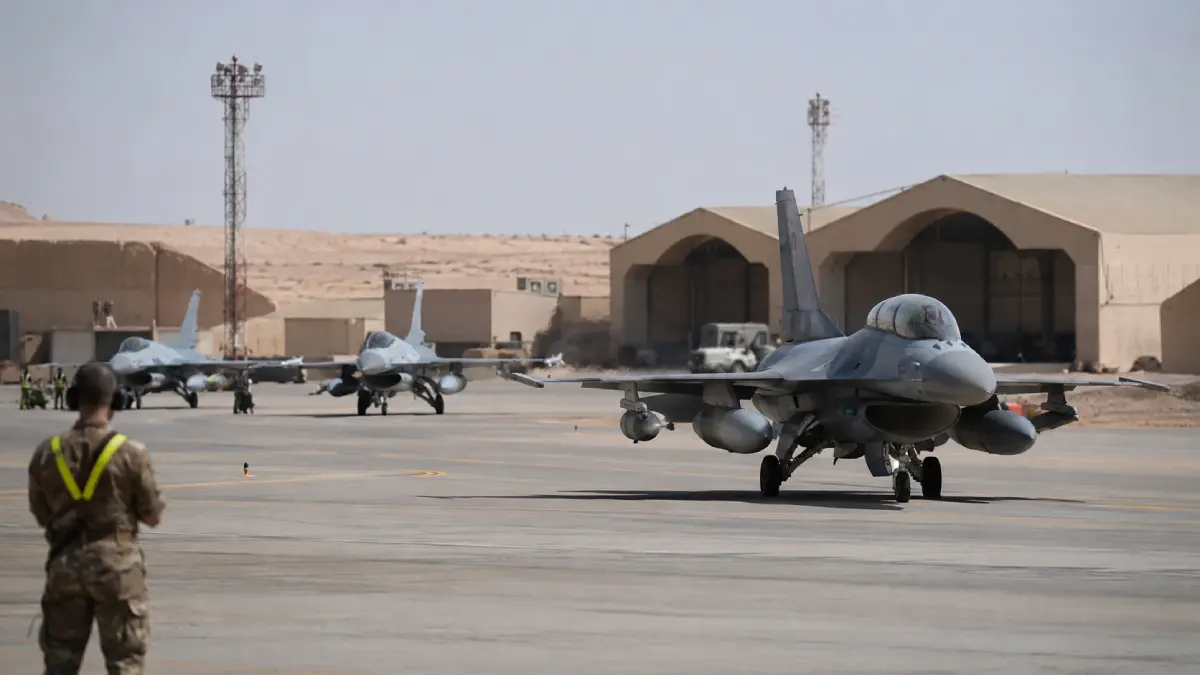
Israel's intervention does not replace the obstacle created by Türkiye's purchase of the S-400.
Washington removed Türkiye from the F-35 programme in 2019 and imposed sanctions in 2020 under the Countering America's Adversaries Through Sanctions Act. Congress also adopted separate restrictions preventing Türkiye from receiving F-35 aircraft while it continued to possess the Russian system.
Foreign Minister Hakan Fidan said after the Ankara summit that CAATSA sanctions and Türkiye's return to the F-35 programme remained separate matters under U.S. law. Political will existed in both capitals, he said, but legal and congressional steps were still required.
Bosphorus News previously reported that Fidan contrasted those unresolved files with the KAAN engine package. Its congressional review period expired without lawmakers blocking the proposed transfer of General Electric F110 engines.
Trump's promise to remove sanctions would not by itself restore Türkiye to the F-35 programme. Under existing U.S. legislation, Washington would still need to certify that Türkiye no longer possessed the S-400, had provided credible assurances that it would not acquire the system again and had met the other statutory conditions for an aircraft transfer.
The S-400 remains the direct statutory barrier. Israel is trying to establish an additional political condition based on its military edge.
The Dispute Could Create a NATO Precedent
The immediate fight concerns Türkiye, but the American response could affect future defence sales to allies outside the group of Middle Eastern countries expressly addressed by the QME legislation.
Israeli objections may carry substantial weight when a proposed customer operates near Israel, maintains an adversarial relationship with its government and seeks the same fifth-generation aircraft. Political influence, however, is not the same as a legal right to stop a transfer.
Applying a QME-style test to Türkiye would change the terms of its negotiations with Washington. Ankara would no longer be judged only on the S-400, technology security and the conditions for returning to the F-35 programme. Its access to American aircraft would also depend on Washington's assessment of its relationship with Israel.
Trump has reopened the F-35 discussion. Netanyahu is trying to move Türkiye into the political territory occupied by earlier disputes over Saudi and Emirati arms purchases.
Washington must now decide whether resolving the S-400 problem would be enough, or whether Israel's military edge should become another condition for supplying F-35s to a NATO ally.
Sources: U.S. Public Law 110-429, U.S. Public Law 116-92, Reuters, Forbes, Bosphorus News review and reporting.