
By Bosphorus News Energy Desk
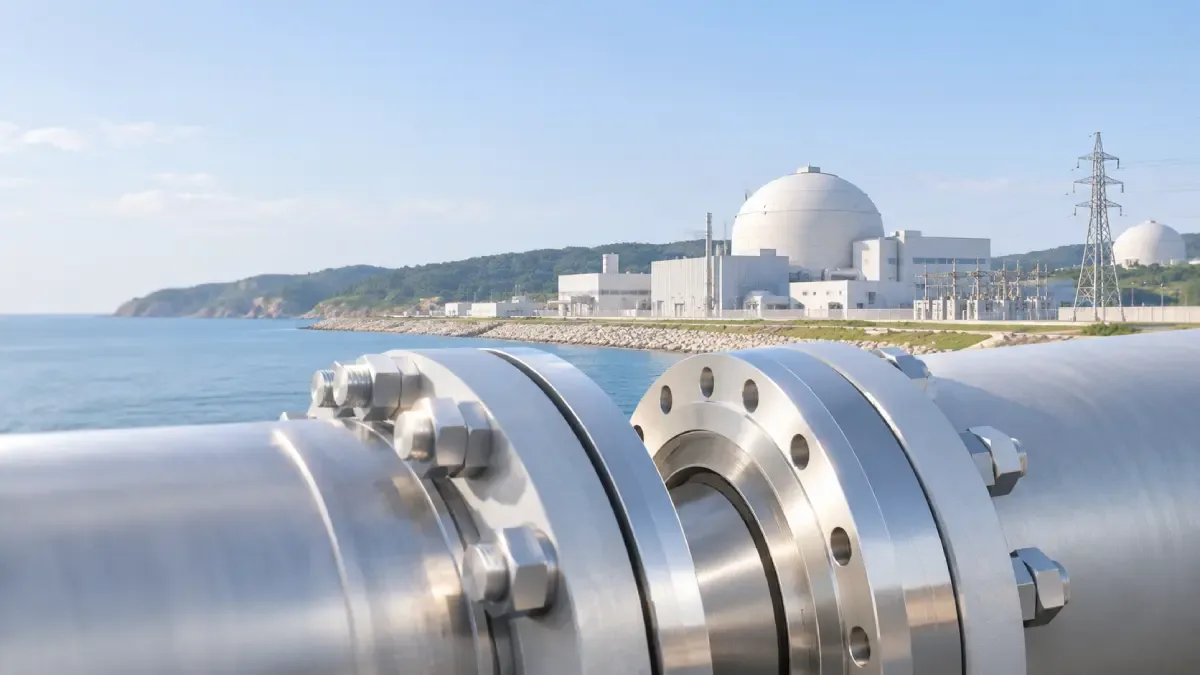
On November 12, 2026, Türkiye Nükleer Enerji Anonim Şirketi (TÜNAŞ) and Canada's Candu Energy signed an agreement at the 31st United Nations climate conference (COP31) in Antalya to study a potential nuclear plant. AtkinsRéalis nuclear president Joe St. Julian told Reuters that a six-reactor option totaling 4.5 gigawatts (GW) was under discussion.
Building on a March memorandum, the new agreement covers feasibility and front-end engineering design (FEED). The work will assess site conditions, infrastructure, adaptation of CANDU technology, plant operations, costs and financing, as well as opportunities for Turkish suppliers.
Sinop First, Reactor Count Still Open
Gary Rose, president of CANDU International at AtkinsRéalis, told Anadolu Agency that the study would initially focus on Sinop, on Türkiye's Black Sea coast. He set May 2027 as the feasibility target, with FEED work expected to finish in late 2027 or early 2028. A technology decision could follow in the first quarter of 2028, he said.
Türkiye outlined four reactors at Sinop and four in Thrace in March. St. Julian's six-unit figure describes a proposal being examined, not an announced revision to that plan. Ankara has yet to choose a supplier and has also held talks with South Korea, China and Russia.
Company Records Identify EC6 as a Prospect
AtkinsRéalis's November 5 investor presentation lists "Türkiye | EC6 opportunities" with the status "In Discussion / Development." Enhanced CANDU 6 (EC6) is a 700-megawatt-class reactor, with a target gross electrical output of 730–745 megawatts per unit, depending on site conditions and equipment. This is broadly consistent with the six-unit, 4.5-GW option described to Reuters, although neither the reactor model nor the plant configuration has been selected.
The company's November 12 announcement describes a potential multi-unit project without naming a reactor model or construction price. St. Julian also described a financing roadmap in which Canada's export-credit agency was expected to take a leading role in debt funding. No project-specific loan amount or binding credit agreement has been disclosed.
Canada's Nuclear Energy Strategy, published in June, aims to establish CANDU technology in at least four new international markets by 2040. A joint statement issued by the Canadian and Turkish energy ministries on October 22 backed further civil nuclear cooperation.
Akkuyu and the Unsettled Contract Terms
At Akkuyu in Mersin, Russia's Rosatom is building Türkiye's first nuclear power plant under a build-own-operate model. Its four VVER-1200 units are planned to provide 4.8 GW. The International Energy Agency urged Türkiye in its September policy review to weigh fuel supply, technology transfer, local industry and financing when negotiating its next plants.
The fuel and ownership questions examined in Bosphorus News's September report remain relevant to a Canadian offer. CANDU reactors can use natural uranium, avoiding the enrichment required by many other reactor designs. Fuel fabrication, plant servicing and long-term supply obligations would still depend on the eventual contract.
The large-reactor negotiations are separate from a US-funded assessment of small modular reactor technologies. That study covers future SMR projects, including technical evaluation, licensing and regulatory requirements.
The next milestone for the Canadian proposal is the Sinop feasibility assessment targeted for May 2027. The reactor count, supplier, ownership structure and financing package remain undecided.
Sources: Türkiye's Ministry of Energy and Natural Resources, AtkinsRéalis, AtkinsRéalis Q3 2026 Investor Presentation, Natural Resources Canada, Reuters, Anadolu Agency, International Energy Agency, Bosphorus News review and reporting.