
By Bosphorus News Energy Desk
Iraq and Türkiye have begun formal negotiations on a long-term energy framework covering oil, gas, petrochemicals and infrastructure, building on the one-year crude transport deal signed in August.
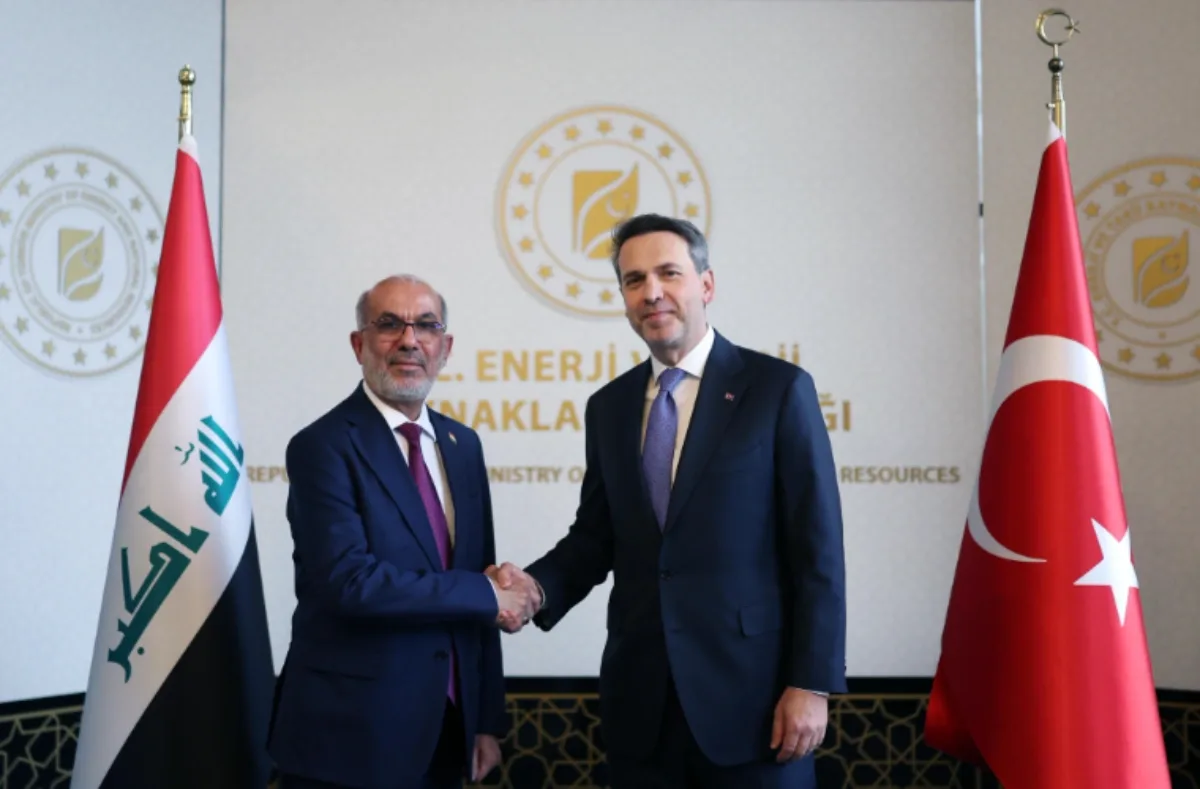
Iraq's Oil Ministry said the first expanded meeting on the proposed framework agreement was held in Ankara on October 2. Iraqi Oil Minister Basim Mohammed Khudair al-Abadi led Baghdad's delegation, while Energy and Natural Resources Minister Alparslan Bayraktar headed the Turkish side.
Baghdad said the talks covered oil and gas infrastructure, petrochemicals, energy trade and new coordination mechanisms. The meeting formally opened negotiations on the framework agreement.
Türkiye's Energy Ministry said the two sides were setting a roadmap for a longer-term deal. Bayraktar said joint working groups would cover oil and gas infrastructure, exploration and production, oil trade, refining, petrochemicals and electricity.
The negotiations follow the August crude transport agreement between BOTAŞ, Iraq's State Organization for Marketing of Oil (SOMO) and North Oil Company (NOC). That arrangement was designed as an interim step while the two governments worked on a more comprehensive framework.
Ankara is also proposing a much larger pipeline corridor. Bayraktar said Türkiye wants the Kirkuk-Ceyhan line extended south to Basra and its capacity increased, presenting the route as an alternative for Gulf exports exposed to disruption around the Strait of Hormuz.
Baghdad's October 2 statement did not endorse the Basra extension or set a timetable for it. Iraq confirmed negotiations on infrastructure, oil and gas trade, petrochemicals and broader energy cooperation.
Ceyhan's role had already grown this year as Iraq looked for export routes less exposed to Hormuz. The shift followed the March resumption of crude flows through the Iraq-Türkiye pipeline after a prolonged interruption.
Bayraktar also tied the talks to the Development Road. Türkiye wants oil, gas and electricity links to run alongside the transport corridor. Baghdad has separately said it wants to diversify energy export routes through neighboring countries.
The next phase will move into joint working groups, with crude transport, upstream activity, gas, electricity, refining and petrochemicals all on the agenda.
Sources: Republic of Türkiye Ministry of Energy and Natural Resources, Iraq Ministry of Oil, State Organization for Marketing of Oil (SOMO), Bosphorus News review and reporting.