
By Bosphorus News Energy Desk
Iraq resumed crude oil exports from its Kirkuk fields to Türkiye's Ceyhan port on 18 March, with the state-run North Oil Company confirming an initial flow of 250,000 barrels per day. The restart follows an agreement reached on 17 March between Baghdad and the Kurdistan Regional Government, ending a standoff over financial disputes that had blocked the route since early 2026.
The KRG confirmed a joint committee would oversee operations and that revenues would be returned to the federal treasury. Both sides agreed to take security measures to protect oilfields and ensure continuity of exports. KRG Prime Minister Masrour Barzani stated: "Given the extraordinary circumstances facing the country, and the responsibility we all share to get through this difficult chapter, we have decided to allow oil to flow."
The pipeline's revival is directly tied to the closure of the Strait of Hormuz. Before the Iran war began on 28 February, Iraq was exporting approximately 4.5 million barrels per day, almost entirely through its southern fields via Hormuz. Iranian strikes on tankers and port infrastructure forced shutdowns at Basra terminals, cutting national output to roughly 1.4 million bpd. With southern routes closed, Baghdad turned to its only functioning northern alternative.
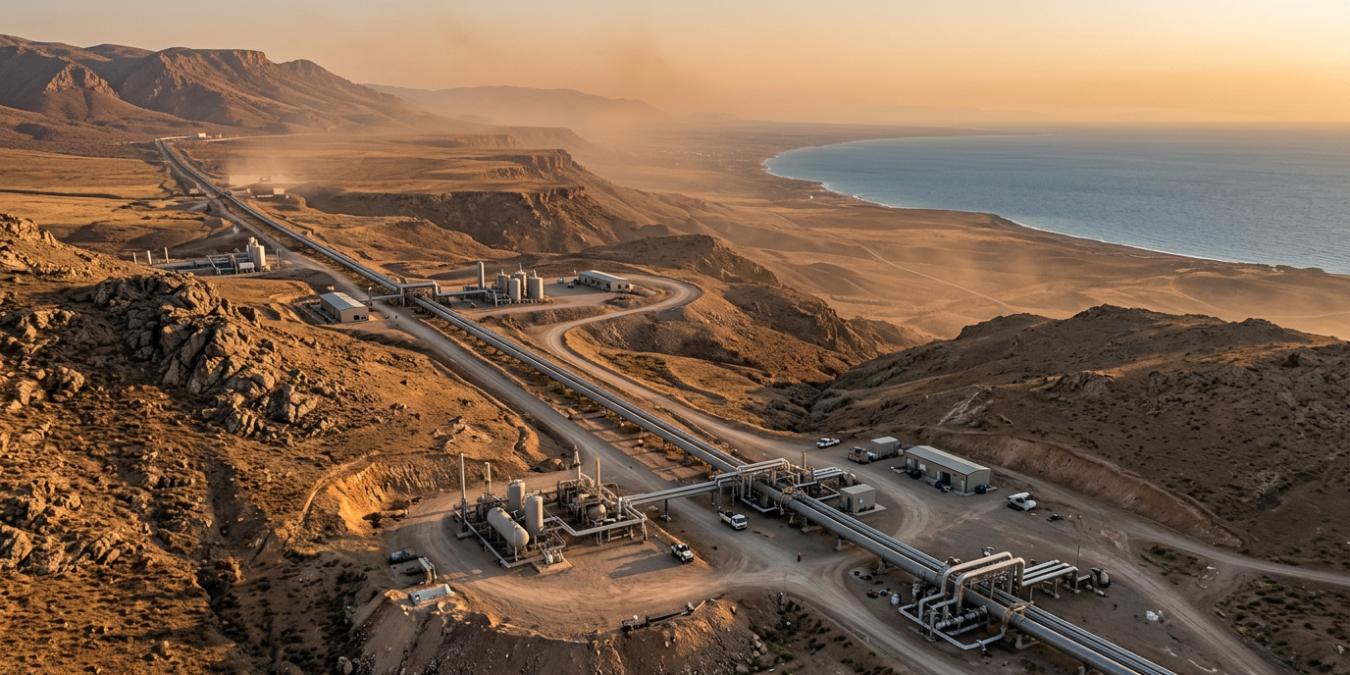
The Kirkuk-Ceyhan route, which connects northern Iraqi oilfields to Türkiye's Mediterranean terminal, has had a troubled history. The federal pipeline sustained severe damage from ISIS attacks from 2014 onward, and KRG flows through the Kurdistan Export Pipeline were halted in March 2023 following an international arbitration ruling. A partial resumption via KRG infrastructure was reached in September 2025, but that route was again frozen in early 2026 over disputes between Baghdad and Erbil on financial arrangements. Today's agreement reopens that KRG pipeline route at 250,000 bpd through the Sarlawa pumping station toward Fishkhabour and on to Ceyhan.
The 960-kilometre corridor to Ceyhan remains one of the few Eastern Mediterranean crude export points outside Gulf shipping risk. Combined with ongoing BTC flows from Azerbaijan, the Ceyhan terminal is handling more strategic weight than at any point in recent years. Analysts described the 250,000 bpd figure as limited relative to pre-war volumes but noted the flow could increase in the coming days, with potential to reach 450,000 bpd if KRG production is added.
On the gas side, the Southern Gas Corridor faces its own set of constraints under the Hormuz closure as analyzed by Bosphorus News earilier.