
By Bosphorus News Energy Desk
Iraq is moving to strengthen its oil export route through Ceyhan as risks around the Strait of Hormuz expose the country's dependence on southern Gulf terminals. The corridor is already carrying crude, but Baghdad's wider diversification plans depend on infrastructure projects that are still under development.
Iraq exported around 42.5 million barrels of crude oil in July 2026, according to figures attributed to the State Organization for Marketing of Oil (SOMO). Around 7 million barrels moved through Ceyhan during the month, equal to roughly 225,000 to 230,000 barrels per day, while southern export facilities handled about 35.5 million barrels.
The figures show that the Gulf route remains Iraq's dominant export channel. Ceyhan, however, remains the country's only operating Mediterranean outlet for crude exports.
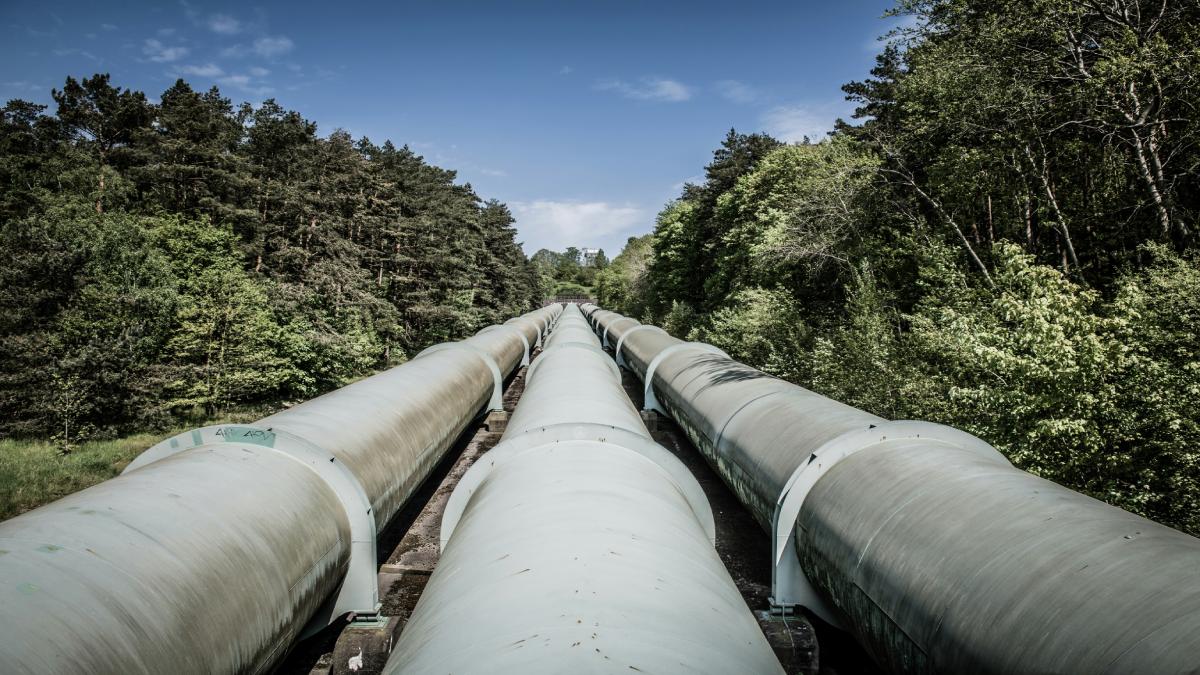
The Iraq-Türkiye Crude Oil Pipeline, operated by Iraq's State Organization for Marketing of Oil (SOMO) and Türkiye's BOTAŞ, has a technical capacity of up to 1.5 million barrels per day across its two lines. A recent operating agreement maintained a transport framework of 750,000 barrels per day, although actual flows remain below that level.
Baghdad's renewed focus on northern exports comes as it seeks alternatives to a system heavily concentrated around Basra and Gulf terminals. Before recent disruptions, most Iraqi crude exports moved through southern ports and depended on shipping routes connected to the Strait of Hormuz.
Other options remain longer-term projects.
The planned Basra-Haditha pipeline is designed to connect southern oil production with western and northern export routes. With a planned capacity of around 2.25 million to 2.5 million barrels per day, the project could provide links toward Türkiye, Syria and Jordan once completed.
A possible connection to Syria's Baniyas port would require a new large-scale pipeline system. Estimates put the cost at around $15 billion, with construction expected to take several years.
The Basra-Aqaba route with Jordan has also remained under discussion for decades. The project has faced repeated delays linked to regional instability, financing challenges and political disputes, and has not entered construction.
These timelines leave Ceyhan as the only existing Mediterranean route available to Iraq at operational scale.
The long-term question is whether renewed Iraqi crude flows can develop into a stable energy arrangement between Baghdad and Ankara. The pipeline has previously been affected by disputes involving payments, exports and legal issues, showing that physical infrastructure alone does not guarantee continuity.
Future expansion will depend on commercial agreements, operating arrangements and coordination between Iraqi institutions and their Turkish counterparts.
As Iraq reviews its export options, Ceyhan has returned to the center of the discussion because it is already functioning while other corridors remain future projects.
Sources: Reuters, Iraq Oil Ministry, State Organization for Marketing of Oil (SOMO), BOTAŞ, Bosphorus News review and reporting.