
By Bosphorus News Geopolitics Desk
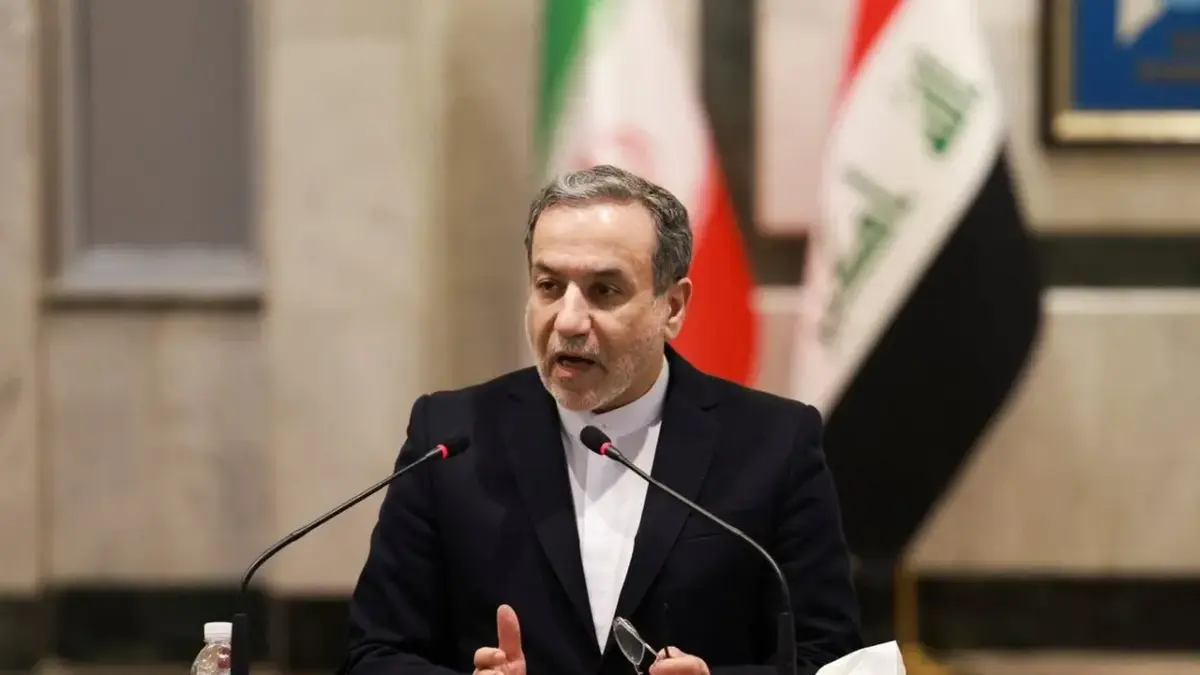
Iranian Foreign Minister Abbas Araghchi has credited Türkiye with helping prevent armed Iranian Kurdish groups based in Iraq from opening a new front against Iran during the war.
In a July 19 interview with Iran's Majaraa Media, Araghchi said Ankara contacted the United States and took a firm position against the involvement of Kurdish armed groups. He described the proposed operation as part of a wider U.S.-Israeli effort to divide Iran and provoke internal unrest.
Türkiye and the United States have not publicly confirmed Araghchi's account of a coordinated plan to partition Iran. His remarks are a rare acknowledgement from Tehran of Ankara's role in the diplomatic contacts surrounding the Kurdish groups.
Araghchi said he spoke with Foreign Minister Hakan Fidan, Iraqi Prime Minister Mohammed Shia al-Sudani, Kurdistan Democratic Party leader Masoud Barzani and Patriotic Union of Kurdistan leader Bafel Talabani.
According to Araghchi, Türkiye contacted the American side and opposed the proposed operation. He said Iraqi Kurdish leaders also concluded that entering the conflict would damage their own interests.
His account is consistent with public comments made by Fidan in March, when reports emerged that Iranian Kurdish groups could be mobilized against Tehran.
At a March 7 news conference, Fidan said Türkiye's Foreign Ministry, National Intelligence Organization and Defense Ministry were monitoring claims that Kurdish groups were being organized to help overthrow the Iranian government.
Fidan said he raised the allegations with U.S. Secretary of State Marco Rubio. According to Fidan, Rubio denied that Washington was pursuing such an effort or intended to mobilize Kurdish groups against Iran.
The Turkish foreign minister also said Israel's interest in using Kurdish organizations as proxy forces was publicly known. He warned that exploiting ethnic or sectarian divisions inside Iran could trigger civil war and destabilize neighboring countries.
Fidan confirmed that Türkiye was in contact with Kurdish political leaders in Iraq, including Barzani and Talabani, and said Ankara opposed projects based on ethnic fragmentation.
The statement closely matches concerns raised in a March Bosphorus News analysis of the Kurdish border risk. It examined how the use of Iranian Kurdish armed groups could expand Party for a Free Life in Kurdistan (PJAK) activity, weaken security coordination along Türkiye's eastern frontier and disrupt Ankara's domestic disarmament process.
PJAK is linked to the Kurdistan Workers' Party (PKK), which is designated as a terrorist organization by Türkiye, the United States and the European Union. Türkiye has warned that weaker Iranian control in the country's west could give PJAK more room to operate along the border.
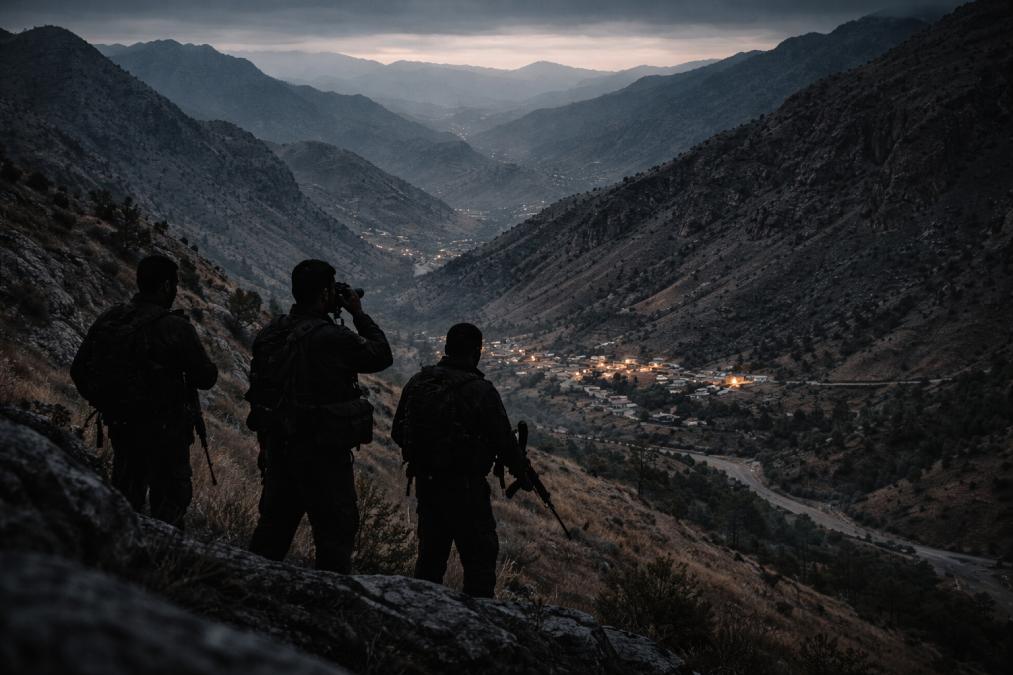
An earlier Bosphorus News analysis of Türkiye's approach to the Iran conflict argued that Ankara's priority was to prevent state collapse, migration pressure and armed instability from reaching Türkiye, rather than protect Tehran's regional power or enter Iran's internal political debate.
Officials in the Kurdistan Region of Iraq said the region would not join the conflict and that its territory should not be used to attack neighboring states. Kurdish authorities also held separate contacts with Turkish and Iranian officials to prevent the war from spreading into Iraq.
The regional government has not publicly confirmed that it was asked to support a ground offensive inside Iran.
Araghchi's account does not establish who proposed the operation, which armed groups were expected to take part or how far the discussions progressed. The White House, U.S. State Department and Israeli government have not publicly confirmed the plan described in the interview.
Iranian Kurdish organizations based in Iraq have different political structures, military capacities and relationships with regional governments. They should not be treated as a single organization or as representatives of Kurdish communities in Iran or Iraq.
Sources: Türkiye's Foreign Ministry, Hürriyet Daily News, Bianet, Kurdistan Regional Government statements, Patriotic Union of Kurdistan statements, Bosphorus News review and reporting..