
By Bosphorus News Geopolitics Desk
Pentagon contingency planning for a possible ground war inside Iran is shifting attention in Ankara. The concern is not the operation itself, but what follows. A weakened Iranian state could open space for PJAK activity along the border, increase migration pressure and disrupt a fragile security balance Türkiye has maintained for decades.
The Washington Post reported on 28 March that the Pentagon is preparing contingency plans for weeks of ground operations in Iran, including possible raids on Kharg Island and sites near the Strait of Hormuz. Much of the reporting has focused on American military options, Iranian deterrence and the contradiction of negotiating while preparing to fight. The sharper question for Türkiye lies closer to home.
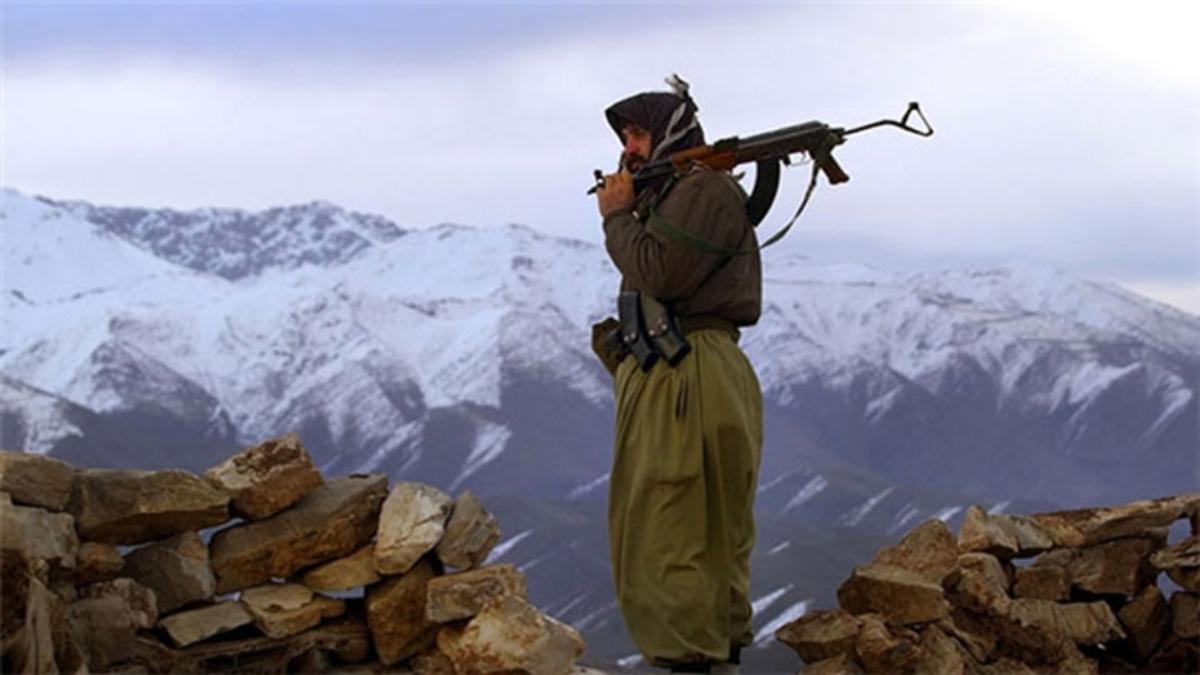
Any operation that weakens Iranian control in the country's west would create new room for PJAK, the Iranian branch of the Kurdistan Workers' Party, which is designated as a terrorist organisation by Türkiye, the United States and the European Union. PJAK operates in western Iran along Türkiye's eastern frontier, which gives any shift inside Iran immediate consequences on the Turkish side of the border.
After the US-Israeli strikes began on 28 February, CNN reported on 4 March that the Central Intelligence Agency had consulted Iranian Kurdish groups, including PJAK-linked factions, about possible attacks on Iranian security forces in the country's west. Reuters separately confirmed that such contacts had taken place. Türkiye's Defence Ministry responded the same day. "The activities of groups that fuel ethnic separatism, such as the terrorist organisation PJAK, negatively affect not only Iran's security but also the overall peace and stability of the region," the ministry said, adding that state institutions were "closely following" PJAK's movements.
President Donald Trump briefly suggested it would be "wonderful" if Iranian Kurds took up arms, then reversed course within 48 hours. An Atlantic Council analysis published in mid-March linked that reversal in part to Turkish pressure. The episode was short, but it exposed Ankara's central concern. A war that turns Kurdish armed groups into tactical assets for outside powers would cut directly across Türkiye's most sensitive security line.
That risk reaches beyond the border. It also touches the most delicate domestic political process Ankara has opened in years. PKK leader Abdullah Öcalan called on the organisation to disarm and dissolve in February 2025. Türkiye's "terror-free Türkiye" initiative built on that call and produced the most advanced peace process between Ankara and the PKK in decades. PJAK rejected Öcalan's appeal and did not follow that line.
The Centre for Eastern Studies in Warsaw wrote in early March that a weakened Iranian state could allow PJAK to absorb PKK fighters who oppose the peace process. That matters because the effect would not remain inside Iran. A revived PJAK operating across a weakened western Iran would place a spoiler on Türkiye's border at the exact moment Ankara is trying to protect a rare political opening at home.
Atlantic Council framed the issue in wider terms, arguing that the Iran war could derail the possible end of an almost fifty-year conflict between Türkiye and the PKK. That may overstate the immediacy of the threat, but the underlying point is clear. A ground operation inside Iran, especially one that creates room for Kurdish proxy forces, would make Türkiye's Kurdish file harder to manage, not easier.
The historical structure behind that concern is older than the current war. Türkiye and Iran share a frontier formalised in 1639, one of the oldest stable borders in the region. That line has long carried a practical security logic. For decades, both states opposed any form of Kurdish territorial consolidation along the frontier. They were often rivals elsewhere, but on this question their interests overlapped.
Joint action against PJAK and PKK infrastructure, intelligence-sharing and coordinated cross-border strikes created a working pattern that survived wider political disputes. A US ground operation inside Iran would damage that structure. Iran's security apparatus on the other side of the border would be weakened as a functioning counterpart. PJAK would be among the first actors to test the opening. Türkiye would then face a harder task on its eastern frontier without the state partner that had long helped contain the same problem from the Iranian side.
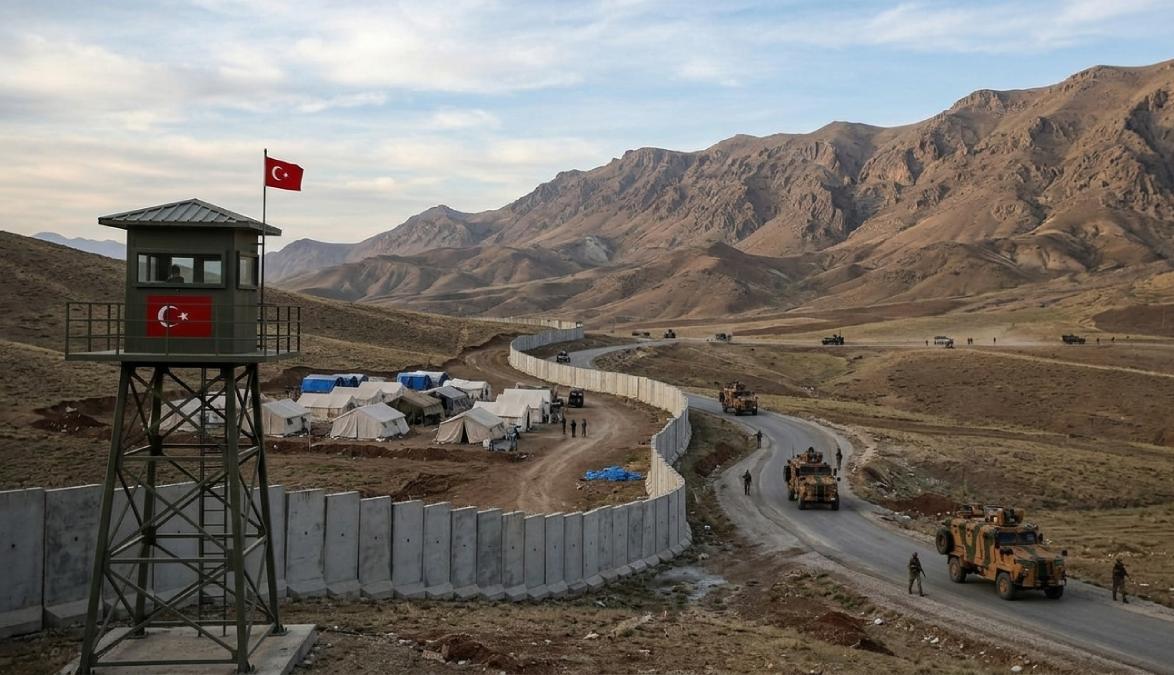
As Bosphorus News argued in The Cost of Chaos: Türkiye's Rational Line on the Iran Conflict, Ankara's reading of the Iran war is shaped less by ideology than by proximity, spillover and cost. A major rupture inside Iran would be felt first at the border.
The migration dimension sits right behind the security one. Interior Minister Mustafa Çiftçi ordered contingency plans involving tent camps and buffer zones within days of the 28 February strikes. Türkiye already hosts more than 74,000 Iranians with residence permits and around 5,000 registered refugees. More than four million Syrians displaced over the past decade remain part of the country's political and economic burden.
A ground war inside Iran would push internal displacement upward very quickly. The Syrian case remains the clearest precedent. As the Syrian state fragmented, millions moved toward Türkiye. A major shock inside Iran would also affect routes linked to the Afghanistan corridor, adding another source of pressure on the eastern frontier.
During a 25 March visit to the Gürbulak border gate in Ağrı, Çiftçi said all contingency measures were in place. He also said Iran had started restricting its own citizens from crossing into Türkiye, with arrivals falling by 25 to 30 percent from early-war levels. That suggests Tehran is already treating population movement as part of the war itself. It also shows that Ankara is not preparing for a theoretical risk, but for one that is already beginning to alter border traffic.
Turkish newspaper Türkiye reported, citing sources familiar with the exchange, that President Recep Tayyip Erdoğan told Trump in an early March phone call that Ankara categorically opposed any use of PKK or PJAK elements as proxy forces inside Iran. The reported warning was blunt: "You saw what we did in Syria. We will do the same here." The same report said Ankara also sent a message through channels to the PKK's Qandil leadership telling it to stay out of the Iranian conflict.
That account has not been confirmed by official Turkish or US statements. It still fits every public red line Ankara has drawn since 28 February and matches Türkiye's long-standing position on Kurdish proxy structures near its border.
Another Bosphorus News analysis, Weakened Iran Could Shift Regional Balance Toward Türkiye, examined the wider strategic consequences of a prolonged weakening of Iran. Those consequences matter. But the immediate issue is narrower and harder. A US ground operation would not just open a new phase of war inside Iran. It would also reopen a border problem Türkiye has spent decades trying to keep contained.