
By Bosphorus News Defense Desk
Türkiye's parliamentary defence committee held talks with senior U.S. House defence lawmakers in Washington as Ankara seeks progress in its wider defense relationship with the United States.
Hulusi Akar, chairman of the Turkish Parliament's National Defense Committee, met House Armed Services Committee Chairman Mike Rogers and committee member Pat Harrigan on Capitol Hill. The talks covered defence and security cooperation, Türkiye's expectations, bilateral relations and regional developments.
Akar said the Turkish delegation had presented Ankara's positions and discussed opportunities for closer cooperation. He also called for stronger dialogue between the two countries' legislatures.
The publicly disclosed agenda did not identify the F-35 programme, sanctions imposed over Türkiye's purchase of the Russian-made S-400 system or the supply of American engines for the KAAN fighter. No detailed public account of the talks was available from the House Armed Services Committee or the two lawmakers' offices.
The meetings nevertheless placed Türkiye's defence relationship with Washington before one of the congressional bodies most closely involved in Pentagon policy, defence budgets and the annual National Defense Authorization Act.
Congress Remains Part of Türkiye's Defence Dispute
The congressional channel has become more important as President Recep Tayyip Erdoğan and U.S. President Donald Trump seek to move bilateral defence ties beyond the S-400 dispute.
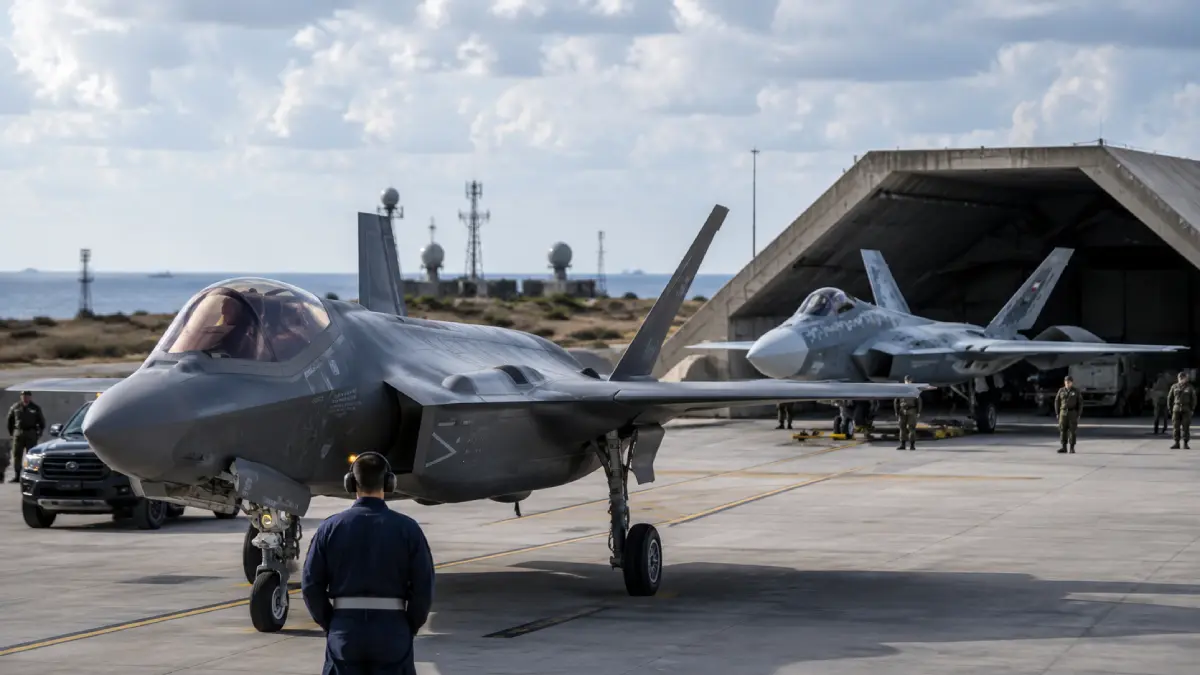
Trump said during the Ankara NATO summit that he would lift the sanctions and make a decision on a possible F-35 sale. Washington has not announced the legal steps needed to remove the measures or permit Türkiye's return to the programme.
Bosphorus News previously reported that Foreign Minister Hakan Fidan described the sanctions and F-35 files as separate matters under U.S. law. The proposed transfer of General Electric F110 engines for the KAAN programme has advanced further, with its congressional review period expiring without lawmakers blocking the package.
Türkiye's F-35 return remains tied to legislation concerning its possession of the S-400. Political support from the White House would not by itself remove that restriction.
Congress is also receiving competing arguments over Turkish access to American defence technology. Greece has sought safeguards concerning the military balance in the Aegean, while Israel has pressed Washington to consider the effect of a Turkish F-35 fleet on its regional military advantage.
Another Bosphorus News analysis examined Israel's attempt to introduce its qualitative military edge as an additional political condition, separate from the existing S-400 barrier.
Akar Targets the Institutional Track
Akar's choice of interlocutors placed the visit on the institutional side of the relationship rather than limiting it to contacts with the Trump administration.
The House Armed Services Committee does not decide foreign military sales by itself. The administration, Pentagon and other congressional committees also hold authority over different parts of the process. Its chairman, however, has influence over defence legislation, military policy and congressional oversight of the Department of Defense.
Akar and members of the Turkish parliamentary committee also met Türkiye's ambassador to Washington, Sedat Önal, at the Turkish Embassy.
The visit did not produce a public agreement on any specific procurement or sanctions issue. It kept Ankara's congressional channel active while the administration and lawmakers continue to handle the legal and political barriers surrounding bilateral defence ties.
Sources: Turkish Parliament National Defense Committee, Anadolu Agency, U.S. House Armed Services Committee, U.S. congressional records, Reuters, Bosphorus News review and reporting.