
By Murat Yıldız
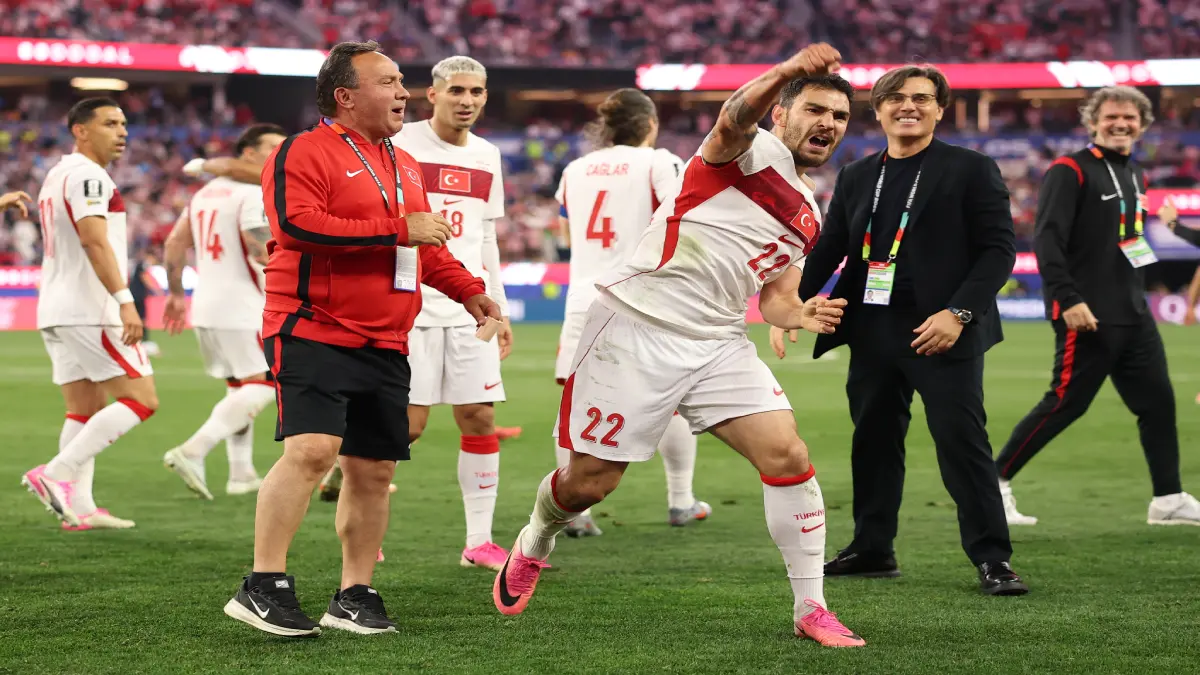
Türkiye arrived at the 2026 FIFA World Cup with its strongest generation in decades and left before the knockout stage, beaten by Australia and Paraguay before a late win over the United States failed to change the verdict.
In exclusive interviews with Bosphorus News, Turkish and regional football voices described the campaign as more than a tactical failure. They traced it to a deeper mismatch between player quality and football governance.
Hüseyin Özkök, a football commentator, rejected attempts to soften the result as a learning experience.
"The claim that this result was experience gained at the World Cup is not acceptable," Özkök told Bosphorus News. "We are not Curaçao, going there to gain experience."
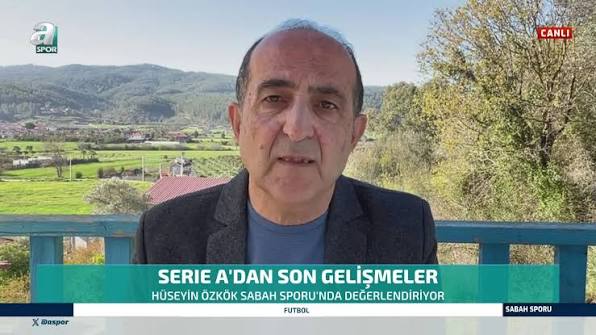
Özkök said he had expected Türkiye to play at least five matches in the tournament, meaning a place in the knockout rounds, because of the international quality of the squad. Instead, he said, Türkiye was effectively eliminated after its first two matches, despite later beating the United States.
"Especially in a 48-team tournament, this result is a fiasco, despite the U.S. win that some are trying to present as a victory," he said.
Cüneyt Kaşeler, a football commentator, said the campaign needed to be separated into two judgments: qualification and tournament performance.
"Türkiye reaching the World Cup after 24 years was a success," Kaşeler told Bosphorus News. "But in the tournament, it was clearly a failure."
That distinction explains the scale of the disappointment. Türkiye did not arrive as a weak side. The squad included players from Real Madrid, Juventus, Inter Milan, Brighton, Roma and Eintracht Frankfurt. The problem, according to several Bosphorus News interviewees, was that the national team's institutional level did not match the careers of its players.
Kaşeler said Türkiye's tournament preparation suffered from calendar management, arguing that the league schedule, break structure and travel timing should have been planned with North American conditions in mind.
He also pointed to a change in the relationship between players and the national team brand.
"These players no longer need the national team for their careers," Kaşeler said. "In the past, the national team as a brand was above them. Now their careers, as brands, are above the national team."
He cited Arda Güler at Real Madrid, Kenan Yıldız at Juventus, Hakan Çalhanoğlu at Inter Milan, Ferdi Kadıoğlu at Brighton, Zeki Çelik at Roma and Can Uzun at Eintracht Frankfurt as examples of players whose club careers already place them on a stage larger than Türkiye's national-team institution.
For Kaşeler, that shift may have affected motivation. Two years earlier, he said, many of the same players were still using the European Championship to elevate their careers. By 2026, the hierarchy had changed.
Montella became the visible face of the failure, but not the whole failure.
Özkök said problems inside the Turkish Football Federation (TFF) and mistakes by its president played a role, but he placed direct responsibility on Vincenzo Montella's selections and persistence with choices that did not work in the first two matches.
"Montella's mistakes and his stubbornness over squad preference were clear in the first two games," Özkök said.
Victor Fièvre, a French football commentator with L'Équipe, said Montella's use of Kerem Aktürkoğlu as a No. 9 against Australia exposed a larger planning problem.
Fièvre told Bosphorus News that using Aktürkoğlu in that role looked like a mistake, but added that the decision also pointed to a deeper issue.
"This would be more a problem about the formation, and how Türkiye is planning the development of its young players," Fièvre said.
Erdal Hoş, a football commentator, was equally blunt.
"We were not a good team," Hoş told Bosphorus News. "Expectations were high. More importantly, the national-team organization was zero. There was no organization. The camp programme collapsed."
Hoş said Türkiye never found chemistry and did not even reach an average team level.
"The right questions must be asked without fear," he said. "Can this road continue with this coach? In my view, not with Montella. I think he was trusted too much. He kept making the same mistakes and insisted on them."
The interviews also show why a narrow Montella debate would miss the larger failure.
Okan Can, a football commentator, said reducing the problem to the coach and players was the easy answer.
"Looking for the national team's failure only on the pitch, and seeing the problem only in the player group and the coach, is nothing more than taking the easy route," Can told Bosphorus News.
Modern football, he said, no longer gives countries a chance without organization and institutional structure. A national team needs technical staff quality, translators, marketing and communications departments, scientific infrastructure, psychological preparation and tournament planning.
"A coach cannot just come in, pick players and say, 'We will play 4-3-3,' and create sustainable success," Can said. "You have to manage the process the players go through before the match. You have to prepare them psychologically. You have to plan the tournament."
Can said the national-team environment itself remained opaque.
"We do not know whether the people working in the national team are qualified," he said. "By what criteria are they there?"
Kerem Arıkan, a club owner and player manager, made a similar argument from another angle, describing a national-team setup that looks for shortcuts before tournaments instead of building a long-term project.
"The TFF's vision is limited," Arıkan told Bosphorus News. "Instead of a long-term national-team project, we look for a short road before every tournament."
Arıkan said camp timing, climate, time difference, scouting, data analysis and the link between youth national teams and the senior side all remained insufficient. He also called for a qualified sports psychologist working collectively with the team manager to track players' mental fluctuations and provide support.
"Even targets such as getting out of the group or reaching the last 16 create tension and disintegration," he said.
That mental file became one of the strongest common themes.
Christos Zavoz, a Greek Cypriot radio and television football commentator, said nobody had expected Türkiye to fail so badly.
"The players and the team are all well known," Zavoz told Bosphorus News. "It is a solid and strong team, but the current picture also raises questions for the European Championship."
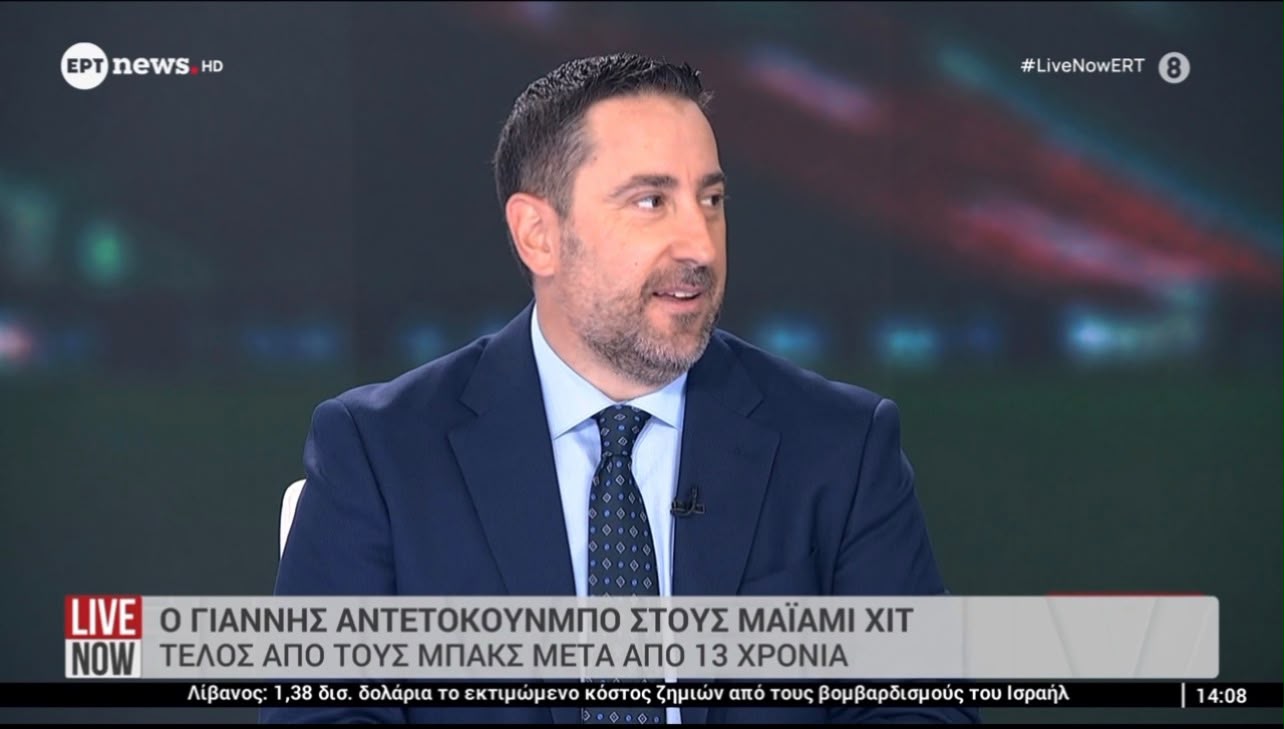
Aris Gatas, a football commentator for Greek state broadcaster ERT, also saw the problem as psychological. Türkiye had entered the tournament with promises, demands and pressure, he said, but failed to turn control into goals.
"The problem with the Turkish national team was the psychological part for me," Gatas told Bosphorus News. "If they had won the first match, the rest would have been different. That is how it is in World Cups."
The match record from Türkiye's defeat to Paraguay made the collapse sharper. Türkiye dominated the ball and created repeated chances, but lost 1-0 to a 10-man Paraguay side, a result that ended its hopes before the final group match. Gatas described the scale as "simply incredible," arguing that Türkiye's finishing failure broke normal football logic.
He said Türkiye must now build around Arda Güler, but not around talent alone.
"Now they have to build a new team around star Arda Güler," Gatas said. "With a winning philosophy and good defensive function."
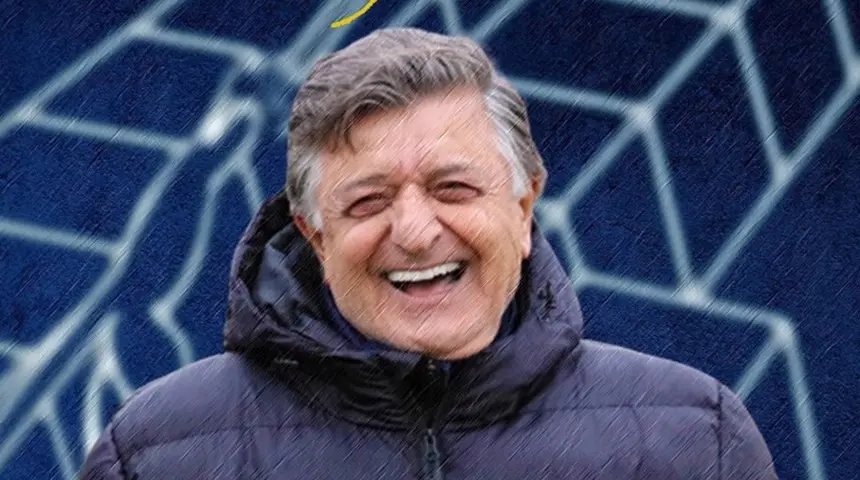
Yılmaz Vural, the veteran Turkish coach, placed the issue inside a longer institutional failure.
"Türkiye has been asleep for 50 years in football federation terms," Vural told Bosphorus News. "There is chaos. This cannot work."
Vural said Türkiye had fallen behind the countries it compares itself with, such as England and France, not because of population or raw talent, but because it lacks system, action and forward vision.
"Everyone complains, but there is no action and no vision for the future," he said. "There is no infrastructure in Türkiye, or at best it is limited. Most importantly, there is no system."
For Vural, the question is larger than one tournament.
"Is the problem political? Commercial? Is it sports culture? What are the expectations? None of it is clear," he said. "The problem is not on the pitch. How many times we have gone to the World Cup is obvious."
Tuğrul Akşar, a sports economist associated with the FutbolEkonomi platform, said the same failure must also be read through the economics of Turkish football.
"There is money in Türkiye, but there is no system," Akşar told Bosphorus News. "Because there is no system, money does not turn into performance."
Akşar said Türkiye's early exit did not create a direct financial loss in FIFA prize-money terms, because participation and group-stage payments still brought revenue. The larger issue, he argued, was "underperformance": Türkiye left upper-round prize money, reputation value and sporting momentum on the table.
For Akşar, the problem is the way Turkish football spends.
"Turkish football has operated for years like a consumption economy, but World Cup success requires a production economy," he said.
That diagnosis links the national team to the Süper Lig economy. Akşar said Turkish clubs remain trapped in a high-wage, high-transfer and high-debt model that rewards short-term survival over player development, data systems, coaching education and institutional memory.
"Modern football economies turn money into human capital," Akşar said. "Türkiye turns money into cost."
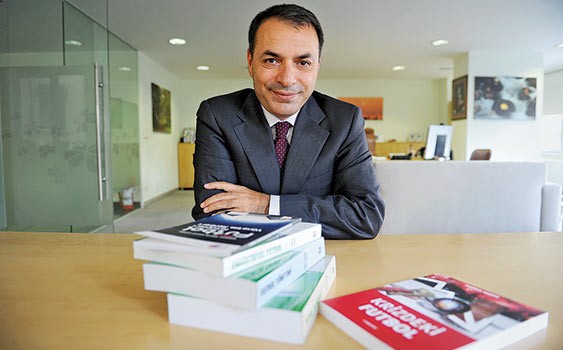
Can also tied the failure to the wider culture of Turkish football: club power, media pressure, favoritism and the absence of accountability inside the national-team structure.
He said Türkiye's national team has long been vulnerable to powerful players, powerful clubs and protected figures.
"Your national-team structure is open to these problems," Can said. "There is favoritism and clubism."
He asked why goalkeeper Berke Özer had not been selected.
"Because he has no big club community behind him," Can said. "If he had been at one of the big four clubs, he would have been selected. We know this."
Can said Turkish football's toxic competitive environment hides reality. Some media figures protect players from their own clubs, some attack rival players, some push coaches close to them, and some produce coverage that benefits agents or factions.
"The national team becomes passive and easily infected," he said. "Everyone is chasing their own story."
Ebru Köksaldı, a journalist and sports commentator, gave the harshest structural reading. She argued that discussion of camp location, weather, pitch, tactics or substitutions avoids the real issue.
"Everyone is circling around it again," Köksaldı told Bosphorus News. "Do not touch water or soap. Do not disturb comfort."
For Köksaldı, Turkish football mirrors the country's broader failures of justice, merit and accountability. She said the football order is shaped by patronage, factionalism and rent, from federation appointments to referees, academy staff, coaches and youth structures.
"The TFF president and boards are not elected; they are appointed," she said. "From referees to academic staff, from coaches to youth teams, every point is determined by obedience, favoritism and rent."
Köksaldı rejected the idea that the failure belonged to Arda Güler, Uğurcan Çakır or Hakan Çalhanoğlu.
"The 2026 World Cup failure is the work of those who normalized a manipulated league and sold dreams while acting apolitical despite clear breaks in Turkish football," she said.
Her argument was not that Türkiye lacks footballers. It was that the country's best generation of young footballers has moved closer to the right international mentality at the same time that the national-team structure has moved backward.
Türkiye's early exit was not only a failure of finishing, selection or match management. It was a test of whether a star generation could compensate for weak planning, weak governance, psychological fragility, debt-driven football economics and a football culture still governed by short roads, factional pressure and old reflexes.
Türkiye produced the players. It did not produce the institution capable of carrying them.
Sources: Exclusive Bosphorus News interviews with Hüseyin Özkök, Cüneyt Kaşeler, Ebru Köksaldı, Kerem Arıkan, Yılmaz Vural, Okan Can, Erdal Hoş, Victor Fièvre, Christos Zavoz, Aris Gatas and Tuğrul Akşar; FIFA, Reuters, The Analyst, Bosphorus News review and reporting.