
By Bosphorus News Sports Desk
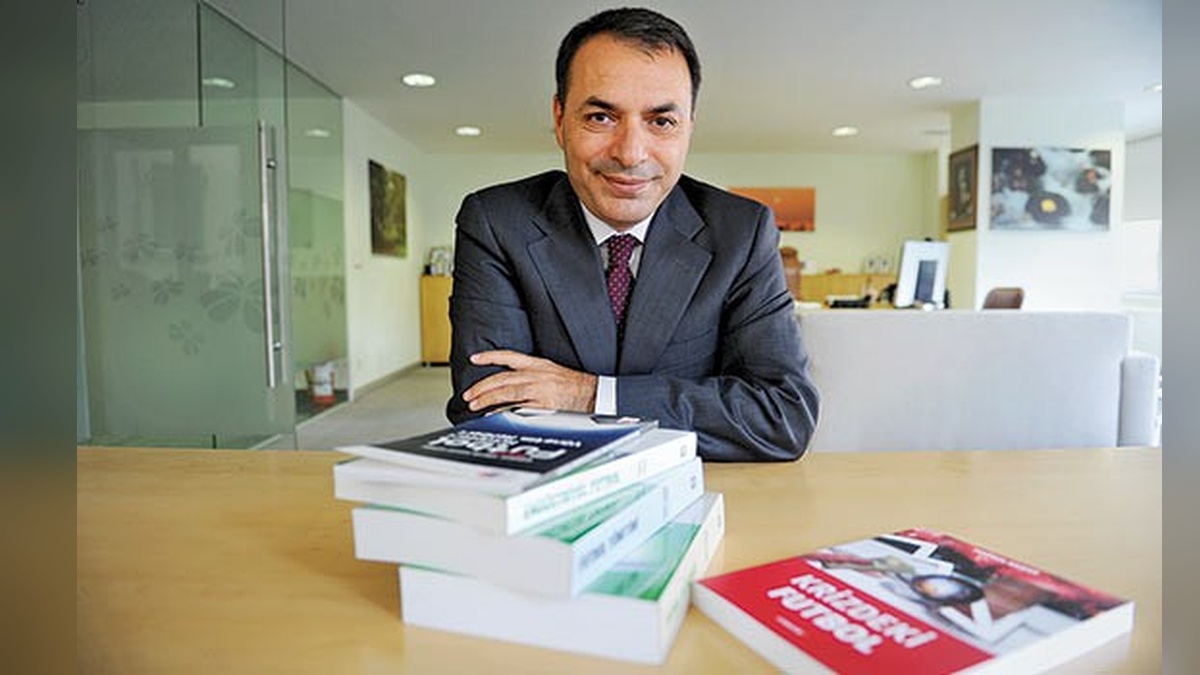
Türkiye's early exit from the World Cup was not a failure produced only by the final whistle, the head coach or one tournament squad, sports economist Tuğrul Akşar told Bosphorus News in an exclusive interview.
Akşar said the deeper problem is a football economy built around debt, short-term transfers and weak institutional discipline rather than player production, data-led planning and sustainable club finances.
"Türkiye has money, but no system," Akşar said in remarks translated from Turkish. "Because there is no system, money does not turn into performance."
His diagnosis cuts against the usual post-tournament argument over Vincenzo Montella, team selection and match-day decisions. Akşar said those debates may be politically and emotionally inevitable, but they miss the structure that keeps reproducing the same football outcome.
"Montella is part of this picture, but he is not what determines it," Akşar said.
Türkiye's elimination still brought FIFA income, but it cut off the larger prize path that comes with the knockout rounds. FIFA's official 2026 distribution gives teams finishing 33rd to 48th $9 million in prize money, with each qualified team receiving an additional $1.5 million for preparation costs.
Akşar's point is that the lost upside matters less than the system that failed to convert money, expectation and squad quality into tournament progress.
"Türkiye's performance in the tournament was not a reflection of the 90 minutes on the pitch," he said. "It was a reflection of the structural ground beneath it."
Akşar traced the problem to the machinery behind the national team: fragile club revenues, weak accountability, low academy output, limited use of data and sports science, unstable league quality, short-term hiring habits and weak international integration.
In his reading, Türkiye's football market behaves like a spending machine rather than a production system. Clubs borrow, sign experienced players, pay high salaries and chase immediate results. That model may create short bursts of domestic excitement, but it does not build the player pipeline needed for World Cup football.
"Turkish football has operated for years like a consumption economy," Akşar said. "World Cup success requires a production economy."
The connection between club finances and the national team is now direct, he argued. As Süper Lig clubs fall deeper into financial pressure, their priorities move toward short-term cash flow. Academy investment, scouting networks and player development become easier to delay than transfer spending.
The result is a thinner national-team pool and fewer players ready for tournament tempo.
Akşar said indebted clubs can still produce talented players, but usually as exceptions rather than as the result of a functioning model. Under financial stress, young players are often sold early or treated as market assets before their development is complete.
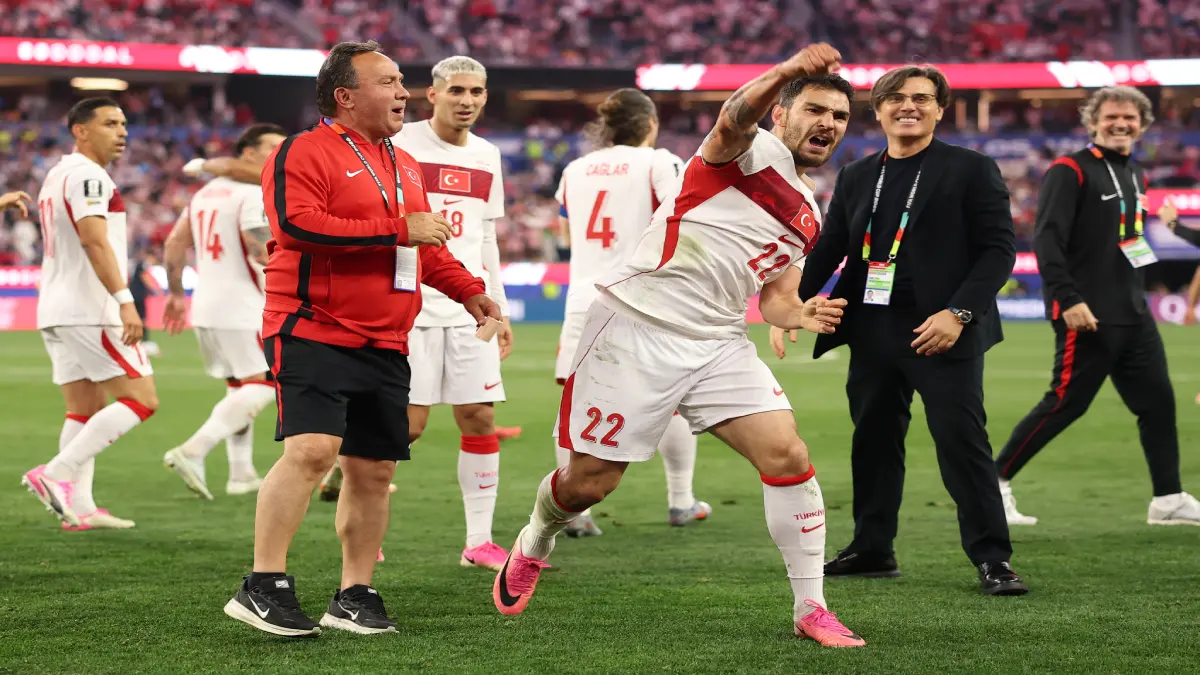
"We expect a system run on debt to create a value-producing ecosystem," he said. "That expectation contradicts economic reality."
The same logic applies to the tempo of Turkish football. Akşar said high debt, high salaries and high transfer pressure push clubs and coaches toward risk avoidance. Young players receive fewer minutes, fewer responsibilities and less tolerance for mistakes.
The result is a domestic game that does not consistently prepare players for international speed, contact and decision-making.
"The short answer is this: the model suppresses production more than it supports it," Akşar said.
His reform priority is also clear. Akşar does not place the first move in the foreign-player rule, academy slogans or another coaching debate. He argues that the first link to break is the debt-dependent financing model that shapes club decisions before sporting logic can operate.
"The first link that must be broken is not player production or the foreign-player rule," he said. "It is the structure in which club financing is shaped directly by debt dependence."
That means the Turkish Football Federation cannot remain only a rule-making body. Akşar said it must become an institution that applies licensing, financial discipline and sanctions without exceptions. Otherwise, club licensing remains formal, academy policy becomes reactive and foreign-player rules keep changing with political pressure.
He said the first reform must be financial and institutional before it becomes tactical.
"The first move of a structural overhaul must be in the financial and economic field, not on the pitch," Akşar said. "In today's financial football structure, results on the pitch are the result of the balance sheet."
Akşar's proposed spending map is blunt. He said 60% of reform investment should go into the player-production chain: academy methodology, data analytics, performance departments, coach education for young age groups and regional talent identification. Another 20% should go to governance and financial discipline, 10% to domestic coaching and technical human capital, and 10% to a more competitive league economy.
That model would require Türkiye to move away from its most familiar football reflex: buying short-term solutions and calling them strategy.
Bosphorus News previously reported that Türkiye's World Cup failure exposed the gap between star quality and system quality. Akşar's interview adds the economic layer: the issue is not whether Türkiye can spend, but whether its football institutions can turn spending into repeatable performance.
Akşar's argument leaves Türkiye's next World Cup cycle with a harder starting point: balance sheets, licensing rules, academy incentives and a club economy that can no longer treat debt as normal football life.
Sources: Tuğrul Akşar interview with Bosphorus News, FIFA, Bosphorus News review and reporting.