
By Bosphorus News Defense Desk
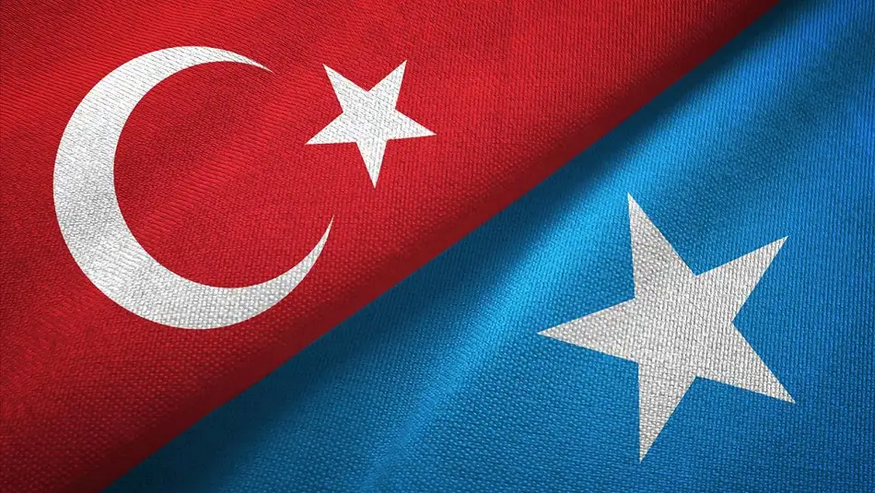
Türkiye's parliament has approved a two-year extension of the Turkish Armed Forces mission in Somalia, keeping the deployment in force from July 27, 2026, until July 27, 2028.
The mandate authorizes Turkish forces to support Somalia against terrorism, piracy, illegal fishing, smuggling and other security threats in areas jointly determined by the two governments. It also covers assistance for protecting Somalia's economic resources and strengthening the capacity of its security institutions.
The vote extends an authorization first granted in July 2024 under the Türkiye-Somalia Defense and Economic Cooperation Framework Agreement. The size, location and operating rules of the Turkish presence will continue to be determined by the Turkish presidency in coordination with Somali authorities.
Türkiye's military presence in Somalia already extends beyond its longstanding training and advisory role at the TURKSOM facility in Mogadishu. Under the bilateral maritime framework, Turkish naval and air assets have been deployed around Mogadishu and Somali waters, linking the military partnership to maritime security and the protection of offshore operations.
Türkiye has supported the training and restructuring of Somali security forces for more than a decade through agreements covering military education, technical assistance, defense industry cooperation and financial support. The parliamentary motion said Somalia has substantial personnel resources but lacks the funding required to maintain the operational capacity of its armed forces.
The motion also said Somalia's federal government had requested continued assistance from Türkiye, including support from the Turkish Armed Forces. Somali media reported before the vote that the extension was intended to maintain Turkish training, technical assistance and counterterrorism support.
The authorization includes Somalia's maritime jurisdiction and assistance in protecting the country's natural and economic resources.
That provision now overlaps with Türkiye's offshore energy programme. Ankara has moved from seismic surveys to the CURAD-1 deep-sea drilling phase off Somalia, placing drilling vessels and offshore operations within the maritime security environment covered by the bilateral partnership.
Türkiye's Energy and Natural Resources Ministry has said the drilling vessel Çağrı Bey is receiving security support from Turkish naval vessels during its operations off Somalia.
The Somalia authorization is separate from Türkiye's international naval deployment in the Gulf of Aden, the Arabian Sea and waters off Somalia. Parliament extended that operation for one year in January 2026 under a different mandate focused on piracy, armed robbery and maritime terrorism outside regional territorial waters.
The bilateral Somalia mandate is broader. It permits Turkish Armed Forces units to operate in jointly designated areas, including Somali maritime zones, under arrangements agreed with the Somali government.
The decision comes as the African Union Support and Stabilisation Mission in Somalia faces uncertainty over its logistics and financing. The mission, which has nearly 12,000 troops, depends heavily on United Nations assistance for food, fuel, transport and medical services.
The United States has informed the African Union that it will oppose continued United Nations logistical support for the mission from 2027, raising doubts over how the force will be supplied and financed.
Türkiye's two-year extension gives Somalia continuity in bilateral military training, operational assistance and maritime security while the African Union mission faces funding pressure and Somali forces continue operations against al-Shabaab.
The decision does not set troop numbers or announce a new combat deployment. It preserves the Turkish presidency's authority to determine the size and scope of the mission under agreements reached with Somalia.
Sources: Türkiye's Grand National Assembly, Türkiye's Energy and Natural Resources Ministry, Anadolu Agency, Reuters, Garowe Online, Bosphorus News review and reporting.