
By Bosphorus News Geopolitics Desk
Syria is weighing whether to join the Türkiye-Saudi Arabia-Pakistan defense pact, Foreign Minister Asaad Hassan al-Shaibani said in Islamabad on August 20, a day before Türkiye and 11 other countries jointly condemned Israel's strike on Syria's Abu al-Duhur airbase.
"We have not yet made a decision on whether to join this alliance," Shaibani told local media during his first visit to Pakistan by a Syrian foreign minister in 19 years.
He described Türkiye as a "key partner" in Syria's reconstruction, citing the countries' long border and historical ties. His remarks came as the Israeli attack on Abu al-Duhur opened a wider dispute over Ankara's military relationship with Damascus and Syria's right to choose its security partners.
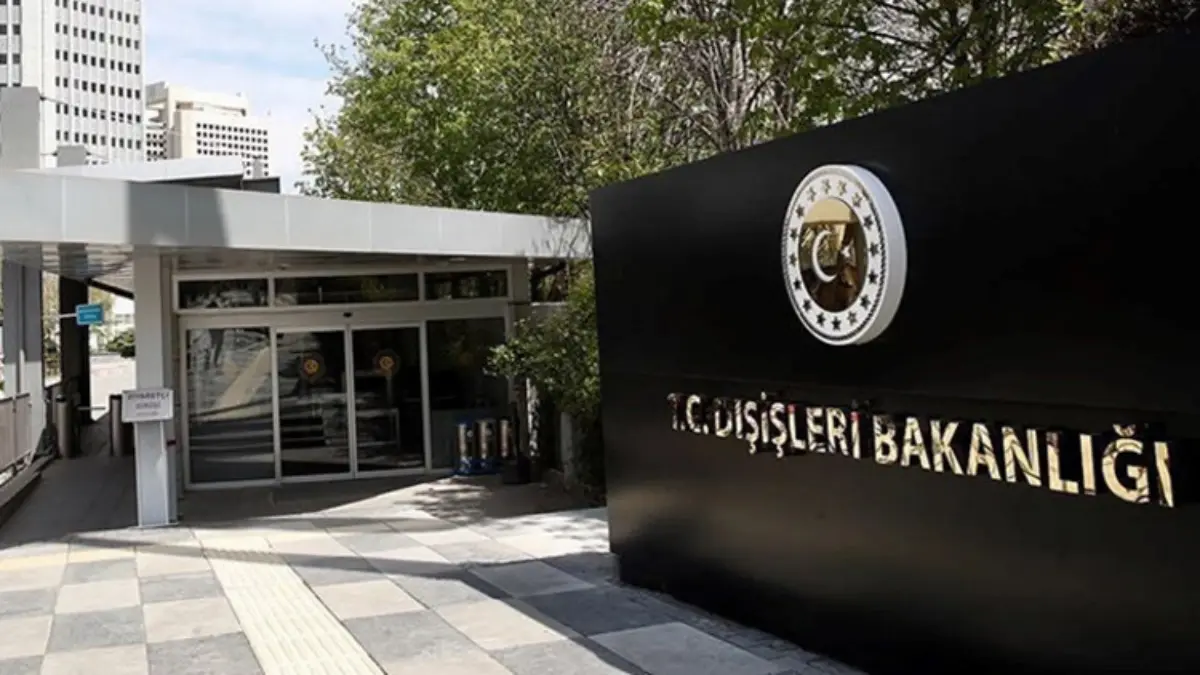
On August 21, the foreign ministers of Türkiye, Algeria, Indonesia, Jordan, Lebanon, Malaysia, Mauritania, Pakistan, Palestine, Qatar, Saudi Arabia and Somalia issued a joint condemnation of the strike, calling it a dangerous escalation and a violation of Syrian sovereignty.
Damascus Puts the Mecca Pact on the Table
President Recep Tayyip Erdoğan, Saudi Crown Prince Mohammed bin Salman and Pakistani Prime Minister Shehbaz Sharif signed the Mecca Joint Defense Agreement on August 7.
The agreement is built around a collective-defense clause under which an armed attack against any one of the three countries is regarded as an attack against all. It also provides for broader defense cooperation among the signatories.
Bosphorus News previously reported on the text and scope of the Mecca defense pact, which Ankara, Riyadh and Islamabad have presented as a defensive arrangement aimed at strengthening collective deterrence.
Shaibani's comments are the clearest indication so far that Damascus is looking at the agreement as it rebuilds diplomatic and military relationships after the fall of Bashar al-Assad.
Pakistan's Foreign Ministry said Shaibani welcomed the signing of the pact during his talks with Deputy Prime Minister and Foreign Minister Ishaq Dar. Asked afterward whether Syria could join, he left the question open.
Syria, he said, would decide at a later stage.
'Syria Is a Sovereign State'
The discussion is unfolding against a sharper argument with Israel over Türkiye's role inside Syria.
Israel struck the Abu al-Duhur airbase in northwestern Syria on August 18. Israeli Prime Minister Benjamin Netanyahu later said Syria had been close to allowing Turkish forces to deploy there, presenting the prospect as a threat to Israeli security.
Damascus disputed that account.
Shaibani said Syria had informed Israel before the attack that Abu al-Duhur was being rehabilitated for the Syrian Air Force and that there were no plans for a Turkish base, permanent Turkish military presence or deployment of Turkish forces at the facility.
Turkish officers had visited the site in connection with training and exchanges of military expertise, according to the Syrian account.
"Syria is a sovereign state," Shaibani said, rejecting the idea that Israel could determine which countries Damascus chooses as partners.
Ankara has also denied that Turkish personnel were at the base when Israel attacked and rejected the Israeli explanation for the strike.
The confrontation followed Israeli warnings over Türkiye's expanding military relationship with Syria, an issue that had already reached direct Israel-Syria contacts before the attack. Bosphorus News reported on the dispute over Turkish military support and Abu al-Duhur as tensions rose between Ankara and Israel over Syria.
Twelve Countries Condemn Israel's Strike
The diplomatic response widened on August 21.
Foreign ministers from Türkiye and 11 other countries said the attacks on Abu al-Duhur represented an "extreme escalation" and a clear violation of Syria's sovereignty, territorial integrity and political unity.
They also expressed concern over repeated attacks on Syrian territory and infrastructure, warning that further strikes could interfere with efforts to restore security, rebuild state institutions and deal with the consequences of years of conflict.
The statement called on the international community to take a clear position against attacks on Syria and demanded full compliance with the 1974 Disengagement Agreement.
It also called for Israeli forces to withdraw from areas they occupy in Syria.
Türkiye had issued its own condemnation immediately after the August 18 strike. The new statement brings Algeria, Indonesia, Jordan, Lebanon, Malaysia, Mauritania, Pakistan, Palestine, Qatar, Saudi Arabia and Somalia behind the same demand for respect for Syrian sovereignty.
Saudi Arabia and Pakistan are also Türkiye's partners in the Mecca agreement now being examined by Damascus.
Türkiye's Role Goes Beyond Military Cooperation
Shaibani's description of Türkiye as a key reconstruction partner broadened his message beyond the dispute over Abu al-Duhur.
Ankara and Damascus are working across security, trade, reconstruction and institutional cooperation, while Türkiye has also been involved in training and support for Syria's armed forces.
Shaibani pointed to the more than 1,000-kilometer border between the two countries and their historical ties when explaining Türkiye's place in Syria's recovery.
His Islamabad visit also produced agreements with Pakistan to revive a joint ministerial commission, restore direct flights, establish a business council and organize an investment forum. Damascus plans to raise its diplomatic representation in Pakistan to ambassadorial level.
The possibility of joining the Mecca pact remains just that. Syria has announced no application and Shaibani gave no timetable for a decision.
But his remarks place the agreement inside a much larger argument now playing out over Syria's post-Assad foreign policy: Damascus is rebuilding ties with regional powers, Türkiye has become one of its closest partners, and Syria is publicly rejecting Israeli attempts to set limits on those relationships.
The 12-country statement adds diplomatic weight to that position following the Abu al-Duhur attack, while the Mecca pact gives Damascus another security option it is now openly considering.
Sources: Republic of Türkiye Ministry of Foreign Affairs; Ministry of Foreign Affairs of Pakistan; Reuters; Express Tribune; Bosphorus News reporting and review.