
By Bosphorus News Geopolitics Desk
Third Election, Unresolved Architecture
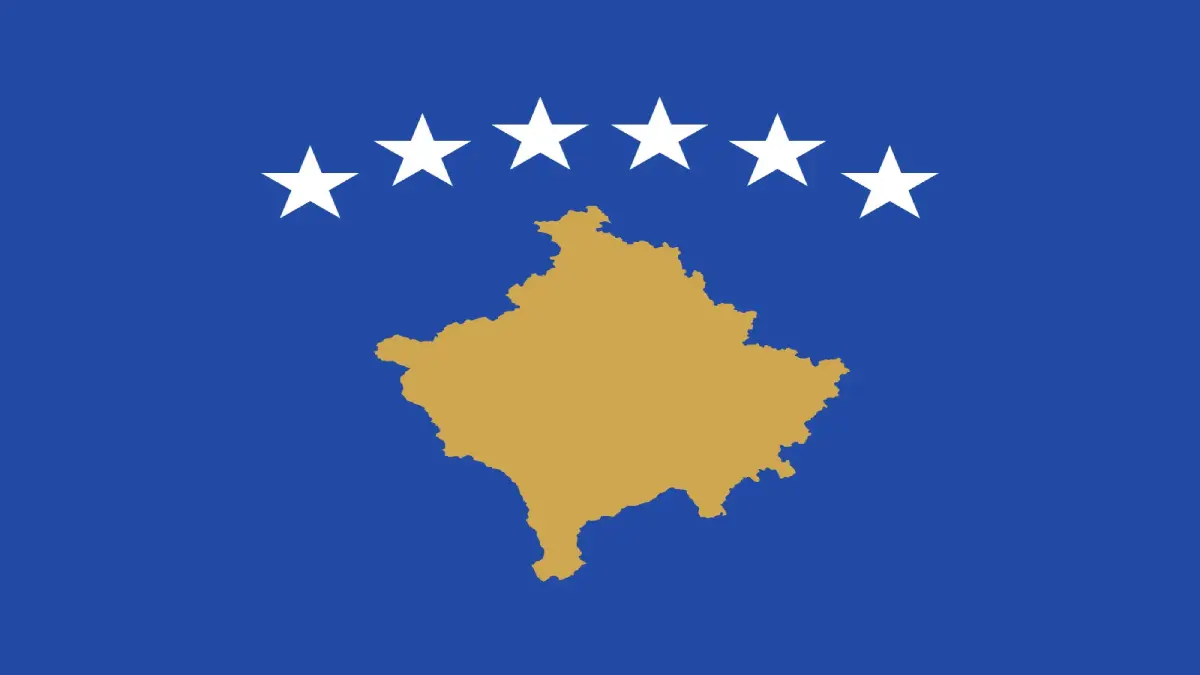
Kosovo's 7 June snap election is less about a routine parliamentary reset than the latest test of a political system stuck between coalition deadlock, northern Kosovo pressure and the Belgrade-Pristina file.
Türkiye now operates in Kosovo through three simultaneous channels: bilateral defence support to Pristina, command authority inside KFOR and military communication with Belgrade. The June 7 result determines who in Pristina Türkiye will be working with next.
The elections were triggered after the Assembly failed to elect a successor to President Vjosa Osmani before the 28 April deadline set by the Constitutional Court, which dissolved parliament. Acting President Albulena Haxhiu set the date. It is Kosovo's fifth electoral cycle in under two years.
The Central Election Commission certified 902 candidates from 22 parties for 120 Assembly seats. Of the 2,092,174 registered voters, 131,800 are based abroad. The numbers point to competition. The real question is governability. Diaspora votes have repeatedly shaped results in previous rounds.
Polls and the LDK Variable
The PolitPro poll trend aggregated as of 31 May places Prime Minister Albin Kurti's Vetëvendosje movement, LVV, at 49.3 percent. The Democratic Party of Kosovo, PDK, stands at 21 percent. The Democratic League of Kosovo, LDK, follows at 13.6 percent. The Alliance for the Future of Kosovo, AAK, registers 5.7 percent. The Serb List, Srpska Lista, sits at 4.7 percent.
On that projection, LVV would take 55 seats, PDK 24, LDK 15 and AAK 6, with 10 seats reserved for minority representatives. LVV would fall short of the 61-seat threshold and would need minority coalition partners.
One variable is LDK. Former President Vjosa Osmani, who broke with Kurti after he declined to support her for another presidential term, now leads LDK's electoral list. Analysts say she could draw urban and pro-institutional voters who previously backed Vetëvendosje.
Serbian Pressure on Northern Kosovo
Kosovo's Acting Minister for Communities and Returns, Nenad Rašić, accused the Serb List of ordering the dismissal of at least 20 local Serb employees not considered reliable voters for the party. Rašić also said his supporters were detained at Serbian border crossings and interrogated about their voting intentions. Seven individuals were arrested in Gračanica in late May on suspicion of voter intimidation. The Serb List denied the allegations.
Srpska Lista is targeting all 10 seats reserved for the Kosovo Serb community under the constitution. OSCE monitors are present for the vote. The issue is not only whether Serb voters participate, but whether the reserved-seat system becomes another channel for Belgrade's leverage inside Kosovo's institutions.
Türkiye's Position in the Security File
Türkiye recognised Kosovo's independence on 18 February 2008 and was the first country to open a consulate general in Prizren. That early diplomatic commitment has since expanded into a defence relationship that deepened significantly in the months before this vote.
In October 2025, Serbian President Aleksandar Vučić sharply criticised Türkiye after Kosovo received Baykar drones, accusing Ankara of harbouring Ottoman restoration ambitions. Weeks later Vučić described President Erdoğan as a "great leader" and said Serbia wanted the closest possible ties with Türkiye. Belgrade objects to Türkiye's defence relationship with Kosovo, yet continues to meet with KFOR under a Turkish commander.
On 5 May, Defence Minister Yaşar Güler and Kosovo Defence Minister Ejup Maqedonci signed a military financial cooperation agreement in Istanbul on the sidelines of the SAHA 2026 defence exhibition. Ankara committed 200 million Turkish liras, approximately 4 million euros, to support the Kosovo Security Force. As Bosphorus News reported, the limited financial sum carried weight beyond its size in a region where any strengthening of Pristina's security institutions draws a sharp response from Belgrade.
Turkish state defence manufacturer MKE broke ground on Kosovo's first ammunition factory in Gjakova on 19 May. The 19-hectare facility is designed to produce 20 million rounds annually, with December 2026 as the target date. Kosovo has also received Baykar's Skydagger loitering munitions and OMTAS anti-tank systems from Türkiye, alongside Javelin missiles from the United States.
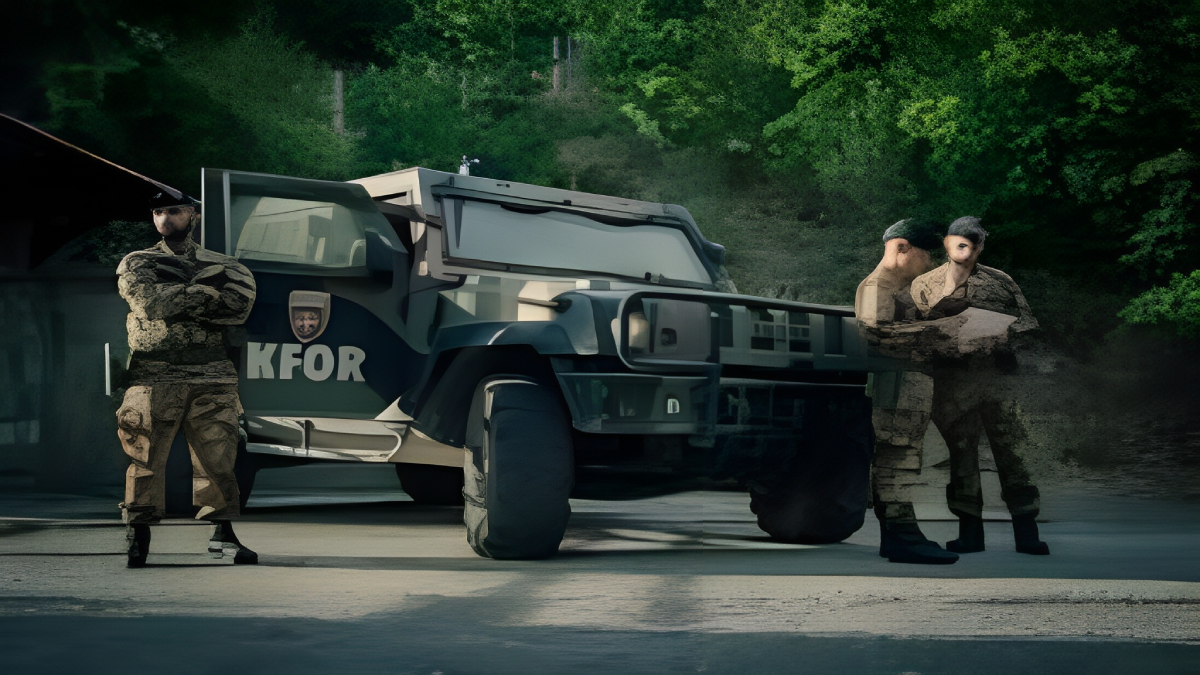
Türkiye is the second-largest contributor to KFOR and commands the mission through Major General Özkan Ulutaş. On 28 April, Ulutaş briefed NATO Military Committee Chair Admiral Giuseppe Cavo Dragone and EU Military Committee Chair General Seán Clancy during their joint visit to Pristina, a format Bosphorus News described as treating Kosovo and Bosnia as a single security file rather than two separate problems.
Ulutaş also met Serbian Armed Forces Chief of General Staff Milan Mojsilović in Belgrade on 8 May, following an earlier meeting in March. KFOR described both contacts as regular military communication to preserve transparency and stability. As Bosphorus News reported, the meetings placed a Turkish general at the operational centre of NATO's security dialogue with a country that has publicly accused Türkiye of destabilising the Western Balkans.
Foreign Minister Hakan Fidan hosted the second Balkans Peace Platform foreign ministers meeting in Istanbul in January 2026, bringing together Albania, Bosnia and Herzegovina, Kosovo, North Macedonia, Serbia and Montenegro inside the same diplomatic channel. A third meeting followed on the margins of the Antalya Diplomacy Forum in April.
Two Scenarios, One Architecture
A strong LVV result would likely return Kurti to harder rhetoric on northern Kosovo and the Belgrade-Pristina normalisation track, narrowing the space Türkiye has tried to preserve. Analysts noted ahead of the December 2025 election that a decisive Vetëvendosje majority reduces Kurti's incentive for compromise.
A fragmented result and another coalition impasse would push Kosovo toward a fourth electoral cycle within two years, increase pressure on KFOR, test EU institutions that recently unfroze 216 million euros in financial support for Pristina, and place Türkiye's three-channel position under strain precisely when its KFOR command mandate is most visible.
The June 7 vote does not change the architecture but it will determine who in Pristina Türkiye will be working with next.
***Sources: Central Election Commission of Kosovo; PolitPro poll trend, 31 May 2026; Eurasiareview.com; Kosovo Online; ANSA; KFOR official statements; NATO Joint Force Command Naples; KOHA.net; Osservatorio Balcani Caucaso Transeuropa; T.C. Ministry of Foreign Affairs; Bosphorus News reporting.