
By Bosphorus News Defense Desk
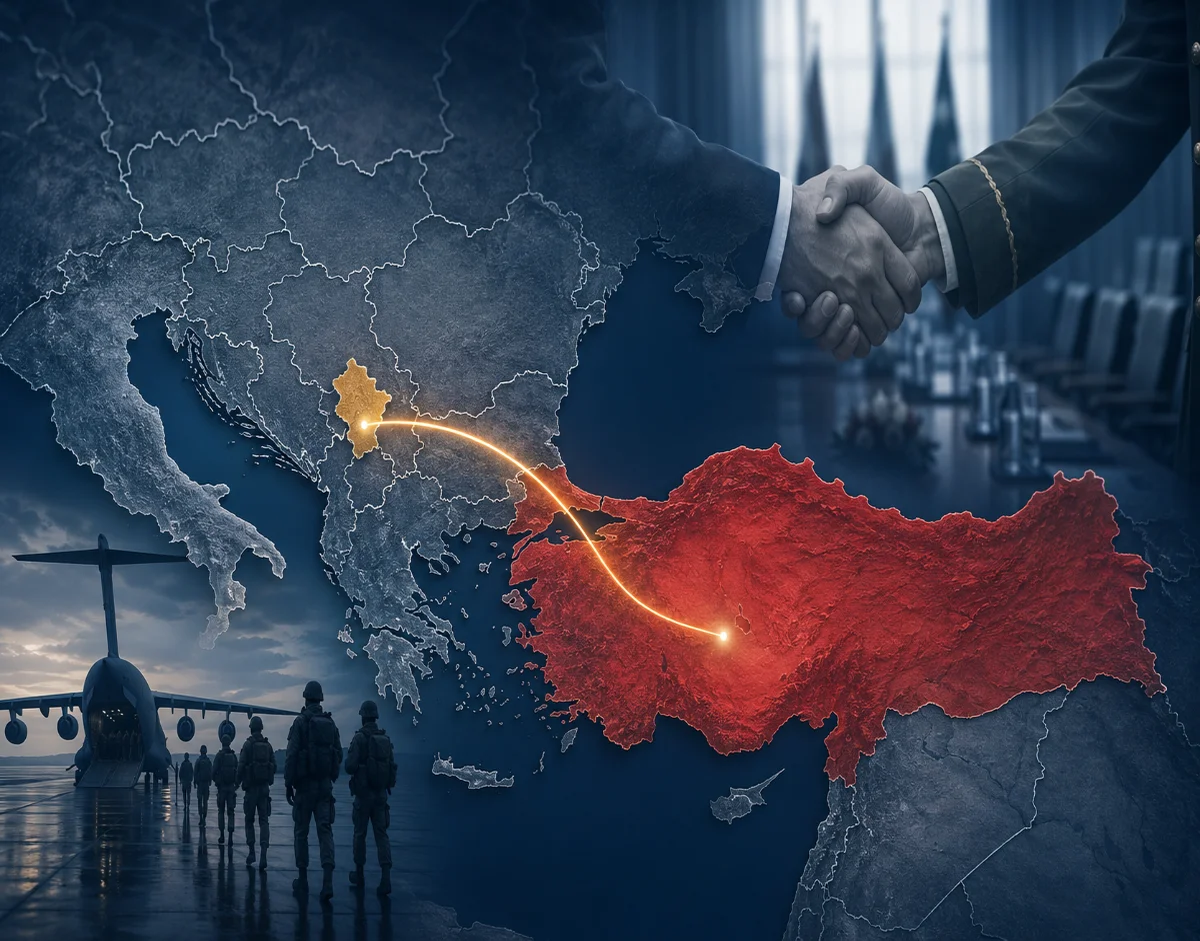
Türkiye and Kosovo have signed a new military financial cooperation agreement in Istanbul, adding a defence layer to a relationship shaped by history, diplomatic recognition and Ankara's long standing role in the Balkans.
Turkish Defence Minister Yaşar Güler and Kosovo Defence Minister Ejup Maqedonci signed the agreement on May 5 during talks held on the sidelines of the SAHA 2026 defence exhibition. Türkiye's Defence Ministry said the meeting focused on strengthening bilateral defence ties. Kosovo's defence minister said Ankara would provide 200 million Turkish liras, roughly 4 million euros, to support the Kosovo Security Force.
The amount is limited in financial terms, but the context gives the agreement greater weight. Kosovo is still building its defence capacity in a tense regional environment, while Serbia continues to reject Kosovo's independence and watches any strengthening of Pristina's security institutions closely.
Türkiye recognised Kosovo's independence early and has maintained close political, cultural and institutional ties with Pristina since then. Those links sit inside a wider Balkan policy in which Ankara tries to combine diplomacy, economic engagement, defence cooperation and historical affinity without reducing its regional role to a single ethnic or religious line.
That wider policy now has a more visible institutional frame. Türkiye hosted the second Foreign Ministers' Meeting of the Balkans Peace Platform in Istanbul on January 23, bringing together ministers from Albania, Bosnia and Herzegovina, Kosovo, North Macedonia, Serbia and Montenegro. The agenda covered regional security, EU coordination, energy security, transport corridors, connectivity and economic ties. Foreign Minister Hakan Fidan hosted a third meeting on the margins of the Antalya Diplomacy Forum on April 18, keeping Kosovo and Serbia inside the same Turkish led diplomatic channel.
The new agreement also comes as Türkiye keeps a visible position inside NATO's Kosovo Force, known as KFOR. The mission remains central to security in Kosovo, especially in the north, where ethnic tensions have repeatedly tested NATO's stabilising role. Türkiye has long been among the important contributors to the mission, giving Ankara a direct stake in the security balance between Pristina, Belgrade and the alliance.
That NATO layer matters. Türkiye is not engaging Kosovo only through bilateral defence assistance. It is also present through the international security framework that still anchors stability in the country. The combination of KFOR participation and direct support for the Kosovo Security Force gives Ankara two channels of influence, one multilateral and one bilateral.
Türkiye's role also sits inside a wider NATO and EU effort to treat the Western Balkans as a connected security theatre. As Bosphorus News reported earlier, military leaders from both institutions have increasingly framed the region through linked risks, from Kosovo and Bosnia to hybrid threats, organised crime and external influence.
Kosovo has been moving to strengthen its own defence base. Reuters reported in 2024 that Pristina planned to build a state ammunition factory and a drone design lab, with input from Turkish state producers, as part of a push for greater domestic defence capacity. Kosovo also acquired Turkish made Bayraktar drones in 2023 and has sought closer alignment with NATO standards, even though several NATO members still do not recognise it as a state.
That makes the Istanbul agreement part of a longer pattern. Türkiye has become a defence partner for Kosovo through equipment, expertise and institutional ties, while also preserving channels with Serbia and avoiding a policy that turns the Balkans into a single front against Belgrade.
The Kosovo deal also fits Ankara's broader Balkan approach. As Bosphorus News outlined in its look at Türkiye's Balkan blueprint, Ankara has tried to combine defence ties, diplomacy, economic links and cultural influence without reducing its regional policy to a single ethnic or religious axis.
That balancing act is becoming harder as defence cooperation across the region accelerates. Serbia has been modernising its military and expanding drone capabilities. Kosovo has increased defence spending and sought more advanced equipment. Albania, Croatia and Kosovo have moved closer in security cooperation, drawing sharp reactions from Belgrade.
Türkiye's new military funding agreement with Kosovo should be read inside that environment. It reinforces a Turkish role that has become more layered: NATO contributor, Kosovo defence partner, Balkan diplomatic actor and defence industry supplier.
The timing also matters. Signing the agreement at SAHA 2026 links Kosovo's security needs to Türkiye's growing defence industry diplomacy. Ankara is using defence fairs, military agreements and training relationships to turn industrial capacity into regional influence.
The practical next question is what the funding will support. Kosovo says the money is intended to strengthen the capacity, professionalism and institutional development of the Kosovo Security Force. Any follow up procurement, training package or equipment transfer will be watched closely in Pristina, Belgrade and NATO capitals.
Türkiye's position in Kosovo is built on more than defence contracts or NATO deployments. It rests on historical ties, early diplomatic support for Kosovo's statehood and Ankara's effort to remain a trusted actor for Muslim communities in the Balkans while keeping channels open across the wider region. The Istanbul agreement adds a new security layer to that older relationship. In a Balkan theatre where history, identity and defence politics still overlap, even a limited funding deal can carry a broader message.