

By Bosphorus News Geopolitics Desk
United Nations envoy María Ángela Holguín met European Commission Special Representative for Cyprus Raffaele Fitto in Brussels on Wednesday as preparations intensified for Secretary-General António Guterres's July 27-29 visit to the island.
The meeting brought the European Commission deeper into the diplomatic effort while the Turkish Cypriot side rejected Fitto's mandate and the two sides remained divided over the status, rules and starting point of any renewed talks.
The Commission tasked Fitto with supporting settlement efforts within the UN framework, working closely with Holguín, engaging relevant parties and helping prepare the ground for renewed negotiations and confidence-building measures.
Fitto, who also serves as Executive Vice-President for Cohesion and Reforms, met Holguín in Brussels on July 22. The meeting comes before Holguín's expected consultations in Ankara and Guterres's visit to Cyprus, where the UN chief is expected to assess whether months of diplomatic contact have produced enough common ground to move beyond informal engagement.
The disagreement now extends beyond the terms of a possible settlement. The two sides also differ over the political and procedural basis from which formal negotiations would begin.
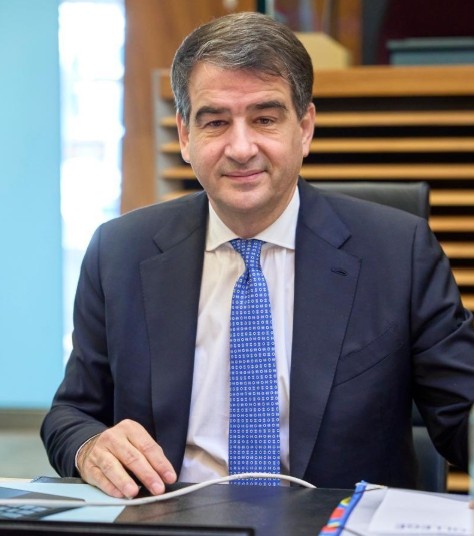
Fitto mandate meets Turkish Cypriot rejection
The Turkish Cypriot government has rejected Fitto's appointment and opposed any official role for the European Commission representative in northern Cyprus.
In a July statement, the TRNC Foreign Ministry said the appointment had been made without Turkish Cypriot consent and argued that the European Union could not act impartially after admitting the Republic of Cyprus in 2004.
The ministry said Fitto could not be regarded as holding any official capacity in the TRNC and described any attempt by him to operate in the north or intervene in the Cyprus issue as unacceptable. It repeated that the Turkish Cypriot side would not enter negotiations unless its sovereign equality and equal international status were affirmed.
The rejection creates an immediate obstacle to the Commission's stated aim of engaging all relevant parties.
Fitto can coordinate with the UN, the Republic of Cyprus government, Türkiye, Greece and other international actors. No accepted official channel with the Turkish Cypriot government has yet been established.
Türkiye has taken a less categorical position.
The Turkish Foreign Ministry described the appointment as an internal EU matter and repeated that the bloc had lost its impartiality by admitting the Greek Cypriot side after its rejection of the 2004 UN settlement plan.
Ankara did not rule out contact with Fitto. It called on him to reconsider the EU's current approach and recognise that a settlement could emerge only through negotiations between two states on the basis of sovereign equality.
The Turkish Cypriot government rejects Fitto's official role on the island. Türkiye leaves room for contact without accepting the Commission's preferred settlement framework.
Status, method and sequence
The dispute predates Fitto's appointment.
As Bosphorus News reported after the leaders' May meeting, the process already centred on the status, method and sequence of any renewed Cyprus talks.
Turkish Cypriot President Tufan Erhürman has argued that the sides should first show they can produce practical results on the island before entering another expanded diplomatic format.
His approach places confidence-building steps, agreed procedures and political safeguards before a new formal round.
Republic of Cyprus President Nikos Christodoulides supports a return to talks within the established UN settlement framework and has backed a wider format involving the two Cypriot sides, the guarantor powers Türkiye, Greece and the United Kingdom, and the United Nations.
Both leaders support continued UN engagement, but they do not agree on the conditions under which a new process should begin.
Christodoulides wants negotiations to resume within the existing federal framework. Erhürman argues that another process cannot begin without agreed rules, visible confidence-building results and recognition of the Turkish Cypriot side's equal political status.
The disagreement concerns the standing from which the two sides enter the process and whether equality must be established before negotiations or addressed inside settlement talks.

Security Council produced no new formula
The current diplomatic activity follows the UN Security Council's July review of the Cyprus file.
Council members supported the Secretary-General's efforts and Holguín's contacts, but the review produced no new formula for resolving the dispute over the basis of formal negotiations.
The file returned to Guterres's good offices with broad support for continued engagement but no agreement on how to bridge the political gap.
Holguín's Brussels and Ankara consultations are intended to establish whether the positions of the European Union, Türkiye and the two sides can be brought closer before Guterres meets the Cypriot leaders.
The Commission can add political and economic tools to the process. Its involvement also sharpens the dispute over neutrality, representation and institutional inequality.
The Republic of Cyprus government sees EU membership as an institutional asset in efforts to secure a settlement within the existing international framework. The Turkish Cypriot side sees the same structure as proof that the EU cannot approach both sides on equal terms.
The dispute before the negotiations
The current deadlock follows a wider diagnosis set out by Bosphorus News Editor-in-Chief Murat Yıldız in "Greece and Türkiye Must First Agree on What the Problem Is".
Yıldız argued that Greek-Turkish diplomacy repeatedly stalls because the parties do not agree on the dispute itself, its boundaries or the language through which it should be addressed.
Cyprus presents the same problem before formal negotiations begin.
The Greek Cypriot side treats the next phase as a return to an interrupted federal settlement track. Türkiye and the Turkish Cypriot side argue that previous processes failed because political equality was never translated into equal international standing and effective safeguards.
The argument begins before the substance of a settlement reaches the table.
Writing ahead of Guterres's visit, Bosphorus News Contributing Editor and IBNA Editor-in-Chief Spiros Sideris reached the same conclusion in the Cyprus context.
Sideris wrote that the UN is testing whether the parties still share enough political and legal common ground to resume formal talks. The immediate task is to establish whether the sides recognise the same process, parameters and starting point.
The Holguín-Fitto meeting forms part of that effort.
The Commission can support the UN process, provide institutional backing and encourage confidence-building measures. It cannot settle the disagreement over whether the next process should resume from the established federal framework or begin with recognition of two sovereign and internationally equal sides.
Before settlement talks can resume, the parties still have to agree on the process itself.
Sources: European Commission, Türkiye's Foreign Ministry, TRNC Foreign Ministry, United Nations material, IBNA, Bosphorus News review and reporting.