

By Bosphorus News Geopolitics Desk
Iran has declared the Strait of Hormuz a "red line" as maritime traffic falls under the renewed U.S. blockade. Israel and Lebanon are moving their pilot-zone negotiations into a technical phase, while Russian strikes are cutting into Ukraine's Black Sea export capacity.
Iran Declares Hormuz a Red Line as Shipping Traffic Falls
Iran warned that it would target infrastructure across the Gulf if the United States attacked Iranian infrastructure, describing the Strait of Hormuz as an inviolable "red line."
The warning followed the first day of Washington's renewed naval blockade of Iranian ports. Shipping data showed that only seven vessels crossed Hormuz on Wednesday, down from 13 the previous day.
Most of the vessels used the Iranian route. No very large crude carriers or liquefied natural gas tankers passed through the strait, while three of the seven vessels carried liquefied petroleum gas, coal and fuel oil out of the Gulf.
The decline reflects the operational risk created by U.S. and Iranian strikes rather than a formal closure of the route by Washington. The United States says its blockade applies to Iranian ports and coastal facilities, while Iran says normal navigation will not resume under U.S. military control.
The waterway carried about one-fifth of global oil and gas shipments before the current conflict. Iran has also threatened broader disruption across Gulf energy infrastructure and could seek to increase pressure on Bab el-Mandeb through its allies in Yemen.
Brent crude traded near one-month highs but remained below the sharp peaks seen during earlier phases of the conflict. The limited market response contrasts with a maritime picture in which major tanker and LNG traffic remains heavily restricted.
Israel and Lebanon Move Pilot-Zone Plan Into Technical Phase
Israel and Lebanon completed a sixth round of U.S.-brokered talks in Rome, with an American official saying the two sides agreed on the structure and guidelines for a pilot-zone process in southern Lebanon.
The plan follows a framework reached on June 26. It envisages the disarmament of armed groups, the deployment of Lebanese troops and a gradual Israeli withdrawal from areas inside Lebanon.
The latest talks were described by the U.S. side as productive, but neither Israel nor Lebanon immediately issued its own account of the progress. Negotiations are expected to move into a technical phase before implementation begins.
Israeli forces currently hold what Israel describes as a buffer zone extending about 10 kilometres into southern Lebanon. The Israeli government says the deployment is needed to protect northern communities from Hezbollah attacks.
Lebanon is demanding an immediate withdrawal. Israel says its forces will remain while Hezbollah is armed, and Hezbollah has rejected disarmament without an end to Israeli military operations and a full withdrawal.
The pilot-zone plan therefore creates a possible route towards limited Israeli pullbacks without settling the dispute over Hezbollah's weapons or the future of Israel's security zone.
Syria Says It Intercepted Weapons Bound for Hezbollah
Syrian authorities said they intercepted advanced weapons and missiles being smuggled across the Iraqi border for delivery to Hezbollah in Lebanon.
The claim was reported by Syria's state news agency, citing an Interior Ministry source. Preliminary investigations indicated that the shipment was intended to cross Syrian territory before reaching Lebanon.
The announcement connects Syria directly to the security negotiations unfolding between Israel and Lebanon. Restricting weapons transfers to Hezbollah is central to Israeli demands and to the pilot-zone plan under discussion in Rome.
It also places the Syrian government inside a regional effort to limit Iranian-linked supply routes running from Iraq through Syria into Lebanon.
The seizure has not been independently verified, and Syrian authorities have not published full details on the origin, quantity or route of the weapons.
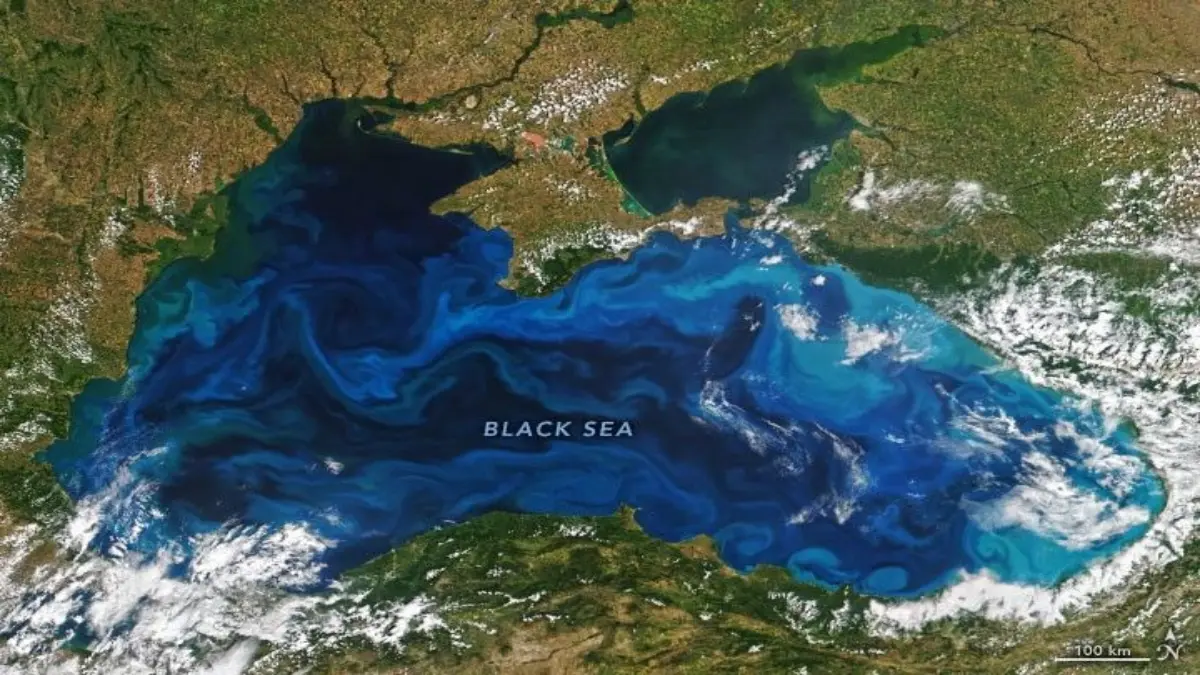
Russia Expands Strikes Across Ukraine's Black Sea Ports
Russia said it struck infrastructure at the ports of Odesa and Pivdennyi, along with a vessel and a high-speed military boat moving towards the Odesa region.
The Russian Defense Ministry said the port facilities were used to receive and store military cargo and fuel. Ukraine has not independently confirmed the full Russian account.
The attacks extend Moscow's campaign against the Black Sea infrastructure supporting Ukraine's exports and wartime revenue. Russia also struck military and industrial facilities in Kyiv, where Ukrainian officials reported two deaths.
Ukraine's main farmers' union said sustained Russian attacks had reduced the monthly grain-export capacity of its Black Sea ports from about 6 million tonnes to 4 million tonnes.
More than 90 percent of Ukrainian agricultural exports pass through three ports in the Odesa region. Grain and vegetable-oil exports remain the country's largest source of foreign-currency earnings.
Four of the region's 13 large grain terminals have suspended purchases, while Kernel, Ukraine's largest grain exporter, halted operations at its Chornomorsk terminal. Rail deliveries to Odesa ports and export volumes have also fallen.
Ukraine has recently accounted for about 6 percent of global wheat exports and 11 percent of corn exports. Prolonged disruption could therefore reach beyond Ukraine's economy into freight rates and global agricultural markets.
The maritime escalation also adds pressure on Türkiye. Russian Foreign Minister Sergei Lavrov previously urged Ankara to send a strong message to Ukraine over attacks against Russian-linked vessels.
Foreign Minister Hakan Fidan's July 15-16 visit to Ukraine places Türkiye in direct talks with Kyiv as Russia presses its objections and attacks move deeper into the commercial infrastructure surrounding Black Sea navigation.
Strategic Take
Hormuz is moving further from a declared blockade towards sustained disruption of commercial traffic. The fall in vessel numbers shows that shipowners are responding to military risk even where formal restrictions do not cover every transit.
The Israel-Lebanon talks have produced an implementation structure, but the first withdrawals will depend on whether the pilot zones can operate without resolving the wider dispute over Hezbollah's weapons and Israel's buffer zone.
Syria's reported interception of weapons intended for Hezbollah adds an enforcement element to that negotiation. Any sustained interruption of the Iraq-Syria-Lebanon supply route would affect the balance between limited Israeli withdrawal and demands for Hezbollah's disarmament.
In the Black Sea, Russia is damaging the terminals and transport systems that keep Ukraine's export economy functioning. Fidan's visit therefore coincides with a maritime file in which Ankara is being pressed by Moscow while seeking to preserve direct access to Kyiv.
Sources: Reuters, Türkiye's Foreign Ministry, Syrian state media, Ukrainian agricultural and regional authorities, Bosphorus News review and reporting.
Read Yesterday's brief: Eastern Mediterranean Strategic Brief | July 15, 2026.