

By Bosphorus News Geopolitics Desk
Iran has threatened to extend maritime disruption from the Strait of Hormuz towards the Red Sea as a renewed U.S. blockade takes effect. Russia and Ukraine are also widening attacks against Black Sea ports and shipping, while Foreign Minister Hakan Fidan heads to Ukraine for talks.
Iran Threatens Second Shipping Route as US Blockade Takes Effect
Iran's Islamic Revolutionary Guard Corps threatened to close other export corridors serving the United States and its allies after Washington reinstated its naval blockade of Iranian ports.
The warning raised the risk of disruption at Bab el-Mandeb, the narrow passage connecting the Red Sea and Gulf of Aden. A senior Houthi official said the Yemen-based movement was prepared to close the strait if Saudi military operations in Yemen continued.
The threat would place two of the world's busiest energy and commercial shipping routes under pressure at the same time. The Strait of Hormuz carried about one-fifth of global oil and liquefied natural gas supplies before the conflict, while Bab el-Mandeb provides access to the Suez Canal for vessels travelling between Asia, the Middle East and Europe.
Iran-linked vessels moved through Hormuz shortly before enforcement of the U.S. blockade began. The passage included ships carrying crude oil, liquefied petroleum gas, methanol and refined products, while traffic linked to other Gulf producers remained heavily restricted.
The United States said the blockade covers Iranian ports, oil terminals and coastal areas. Vessels entering or leaving without authorization may be intercepted or diverted, although ships travelling through Hormuz to destinations outside Iran are not formally included.
Brent crude rose about 2 percent to more than $86 a barrel as traders assessed the risk to both maritime corridors. Bank estimates cited by Reuters placed Gulf exports below half their pre-war levels.
The escalation follows the security warning that prompted U.S. President Donald Trump to change aircraft after leaving the NATO summit in Ankara.
Türkiye also condemned a Houthi missile attack targeting southern Saudi Arabia, calling it a violation of the kingdom's sovereignty and territorial integrity. The Foreign Ministry urged regional actors to avoid further escalation.
The confrontation is developing alongside the legal end of another Türkiye-Iran sanctions file. Reza Zarrab avoided further prison time as the U.S. prosecution linked to the Halkbank case closed.
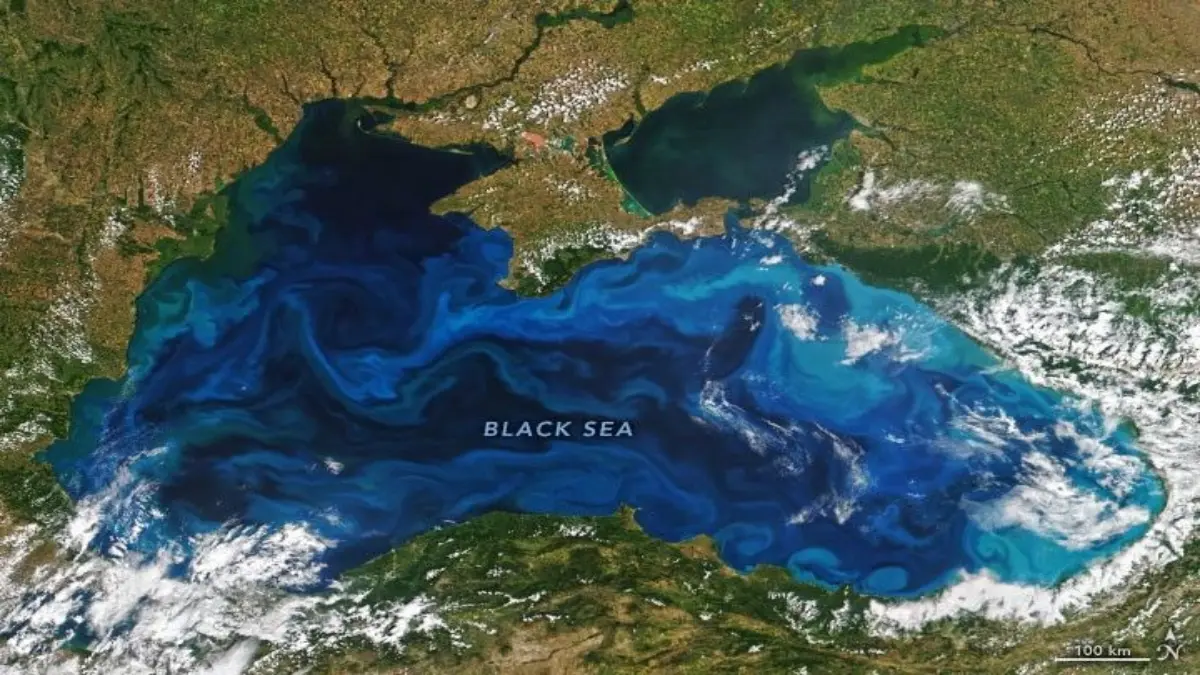
Russia and Ukraine Expand War Across Black Sea Trade Routes
Russian forces struck Odesa with missiles and drones, killing three people and damaging port, industrial and civilian infrastructure during a fifth consecutive day of attacks on the southern Ukrainian region.
Ukraine responded with drone attacks against vessels operating in the Black Sea and Sea of Azov. Kyiv said 20 ships were hit overnight and 116 vessels had been targeted in the Sea of Azov during July. The figures remain Ukrainian military claims and have not been independently verified in full.
The commercial consequences are clearer. Shipping through the Don-Azov channel has been restricted, Russia is considering redirecting grain exports and Ukrainian exporter Kernel suspended operations at its Chornomorsk terminal after Russian attacks.
The Sea of Azov carries about one-quarter of Russia's grain exports. Ukrainian Black Sea ports are also central to the country's grain, mineral and wartime export revenue, placing commercial infrastructure on both sides under sustained military pressure.
The attacks increase the risk to merchant vessels moving towards the Turkish Straits and follow Russian Foreign Minister Sergei Lavrov's call for Türkiye to send a strong message to Ukraine over attacks on Russian-linked ships.
Türkiye has repeatedly warned that attacks on commercial shipping could widen the war beyond its existing military front and undermine navigation across the Black Sea.
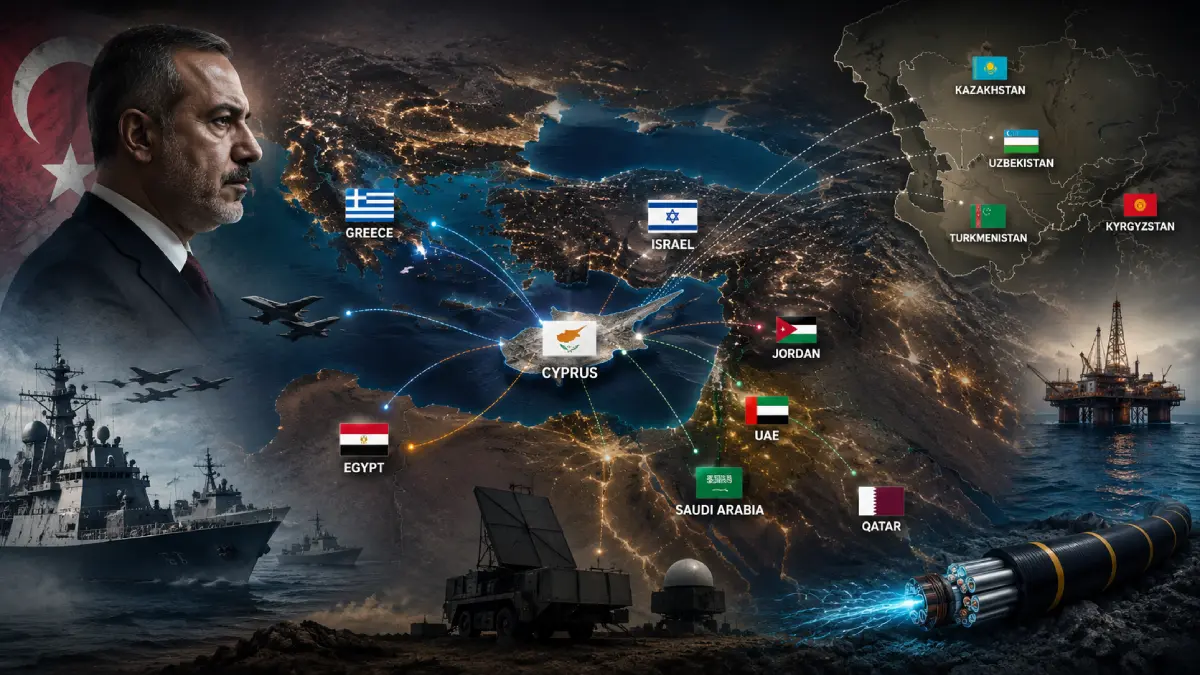
Fidan Heads to Ukraine as Maritime Attacks Escalate
Foreign Minister Hakan Fidan will visit Ukraine on July 15 and 16, the Turkish Foreign Ministry announced.
The ministry did not publish a detailed agenda. The timing places the visit immediately after the Ankara NATO summit, Fidan's participation in the Coalition of the Willing meeting in Paris and the latest escalation around Black Sea ports and vessels.
At the Ankara summit, NATO members agreed a new funding structure for Ukraine but did not restore a timetable for membership. The declaration settled the immediate aid question while leaving Ukraine's long-term position inside the alliance unresolved.
Fidan's visit also follows Lavrov's request that Türkiye pressure Ukraine over maritime attacks. Ankara is therefore entering talks with Kyiv while Moscow is publicly demanding Turkish intervention on the same operational file.
Türkiye has hosted negotiations between Russia and Ukraine and sought to protect its role in Black Sea navigation, prisoner exchanges and possible ceasefire diplomacy. The expansion of attacks towards commercial routes now places shipping security alongside the wider political negotiations.
Strategic Take
Iran is trying to widen the cost of the U.S. blockade by placing pressure on a second maritime route. Any sustained Houthi move at Bab el-Mandeb would connect the Hormuz confrontation directly to Red Sea and Suez traffic.
The Black Sea is moving in a similar operational direction. Russia and Ukraine are targeting the maritime systems that finance and supply the other side, drawing ports, grain routes, tankers and merchant vessels further into the war.
Fidan's Ukraine visit gives Türkiye a direct diplomatic role in the day's strongest European security file. Kyiv will seek political and military support, while Moscow has already defined the message it expects Ankara to deliver.
Sources: Reuters, Türkiye's Foreign Ministry, U.S. Joint Maritime Information Center, Ukrainian regional and military authorities, Bosphorus News review and reporting.
Read Yesterday's brief: Eastern Mediterranean Strategic Brief | July 14, 2026.