
By Bosphorus News Geopolitics Desk
On November 16, 2026, Turkish Cypriot Prime Minister Ünal Üstel asserted the cabinet's authority over measures agreed in Cyprus talks. His remarks followed the publication of Republic of Cyprus President Nikos Christodoulides' 19-point proposal, which includes arrangements for Varosha, Famagusta port and future settlement negotiations.
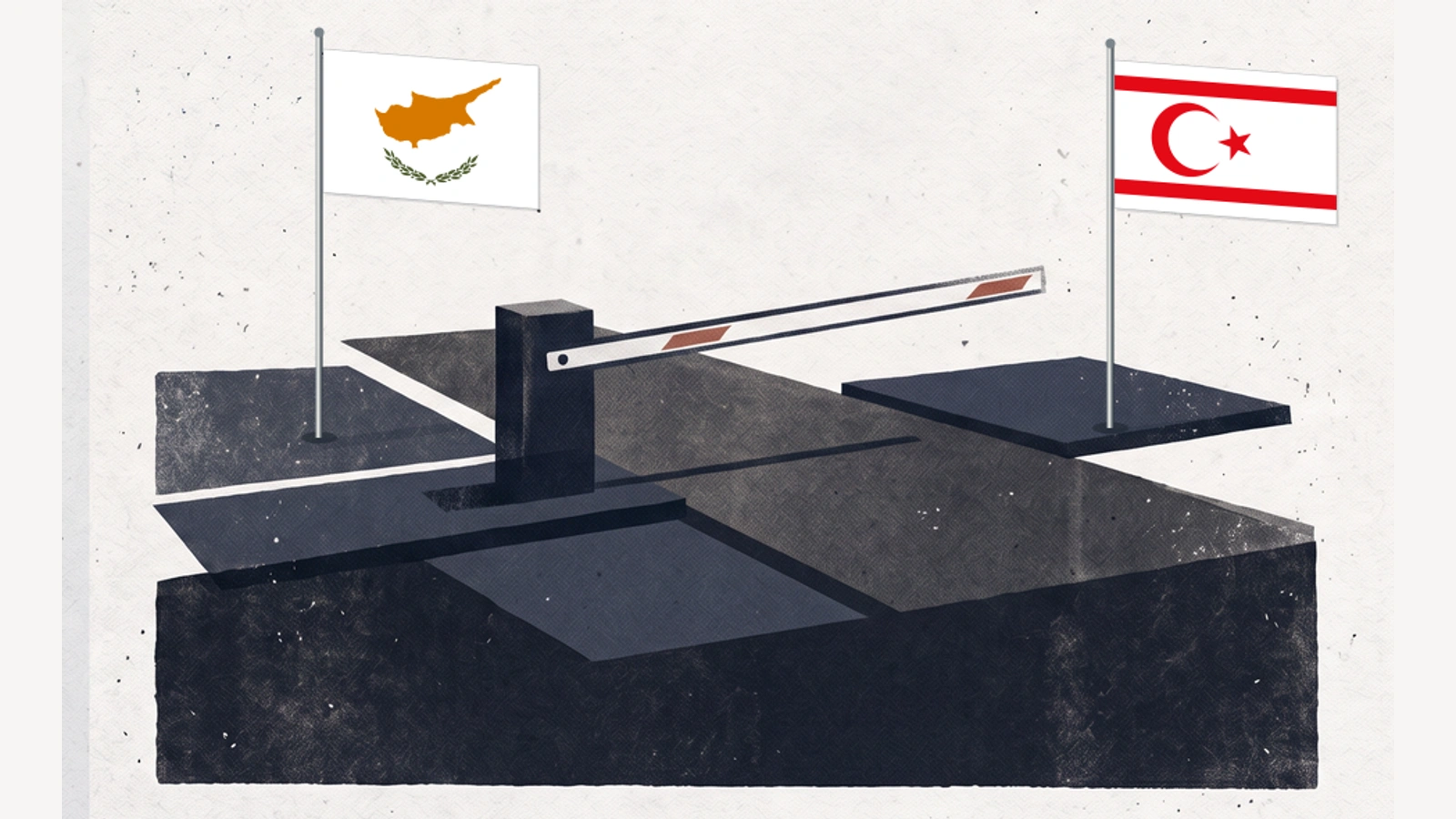
The leaders agreed on November 9 to open two crossing points and pursue several confidence-building measures. Neither crossing has an opening date. Üstel's intervention has renewed disagreement over the government's role in putting those commitments into effect.
Christodoulides' 19 Points Become Public
Phileleftheros published the list on November 15. Christodoulides said that day that the Turkish Cypriot side and the United Nations had known its contents since September 18. His government had previously said the ideas were conveyed orally before the September meetings in New York, with written copies handed to Turkish Cypriot President Tufan Erhürman and UN Secretary-General António Guterres' Personal Envoy, María Ángela Holguín, on November 9. The newspaper's account made the proposals public in detail after they had already entered the diplomatic exchanges.
Among them are the return of the fenced-off area of Varosha and arrangements for Famagusta port to operate under European Commission auspices, drawing on an initiative advanced during Finland's 2006 European Union Council presidency. Other proposals address mine clearance, religious heritage and bicommunal cooperation. One envisages contacts between the Republic of Cyprus National Guard and Turkish military representatives in the presence of the United Nations Peacekeeping Force in Cyprus (UNFICYP).
Christodoulides proposes two days of talks between the leaders on confidence-building measures, followed by an expanded meeting involving the European Union and the guarantor powers, Türkiye, Greece and the United Kingdom. Guterres or his personal envoy would attend. The aim is to resume formal settlement negotiations, but the parties have not agreed on a date or format for an expanded conference.
The UN's November 9 statement records agreement on several practical measures, but none on Varosha, the Famagusta port proposal, military contacts or an expanded conference. Those proposals remain open.
Two Crossings Agreed, No Opening Date
The November 9 understanding provides for the simultaneous opening of Akıncılar/Louroujina–Limya/Lympia and Kambo/Kampos–Gemikonağı/Karavostasi. The leaders also agreed to exchange archival material through a technical committee, restart the Imagine bicommunal education programme, advance environmental projects, restore specified Maronite churches and an Armenian monastery, and develop an emergency-response mechanism.
Road access, staffing and operating arrangements remain to be settled. Erhürman said on November 15 that the Turkish Cypriot side would complete its part of the work as quickly as possible while technical-committee discussions continued.
Haspolat/Mia Milia, Athienou–Pyroi–Aglantzia and Kokkina/Erenköy are not among the two agreed crossings. Erhürman said further proposals could be discussed before and during a meeting with Guterres. The published UN record contains no agreement on another route.
Erhürman Sets Terms for Renewed Talks
In a November 15 address marking the anniversary of the Turkish Republic of Northern Cyprus (TRNC), Erhürman said Turkish Cypriots were ready to negotiate a settlement, but would not accept another open-ended process with political equality unresolved. He referred to the four-point methodology he has discussed with Guterres.
That approach calls for political equality to be reflected in the rules of renewed talks, including rotating presidency and effective Turkish Cypriot participation in federal decisions. Erhürman has also sought a time-limited, results-oriented process that takes account of earlier convergences. He has said he intends to bring a separate proposal to Guterres, but its full text is not public.
Christodoulides wants negotiations to pick up where they ended at Crans-Montana in 2017. On November 15, he said he would attend a three-way meeting once Guterres set a date. The leaders have yet to agree on how political equality, past convergences and the substantive chapters would be addressed.
Üstel Insists on the Cabinet's Role
Speaking on BRT's Manşet+ programme on November 16, Üstel said measures that require government approval would be decided by the government. He criticised Christodoulides' 19-point plan and defended the Turkish Cypriot government's position on sovereign equality and equal international status.
The prime minister's remarks followed earlier objections from his government and Foreign Minister Tahsin Ertuğruloğlu over consultation on the crossing arrangements. Üstel has backed crossing points that offer practical benefits to both communities, even as he contests Erhürman's approach to the negotiations. His government has not announced a decision cancelling the November 9 agreement.
The TRNC Constitution places executive authority with the president and the Council of Ministers. That provision alone does not determine who must approve each road project, staffing decision or operating arrangement. Those decisions are still needed to open the agreed crossings.
No Date Set for Guterres Meeting
The UN said on November 9 that discussions would continue on additional crossings, negotiating method and the substance of a settlement, including at a meeting with Guterres in the coming weeks. By November 16, neither the meeting date nor a mandate for an expanded conference had been announced.
The November 9 agreement identifies two crossings and several technical initiatives. Opening the routes still requires administrative decisions, while a renewed settlement process lacks an agreed method. The dispute over who can deliver the practical measures remains unresolved.
Sources: United Nations Good Offices Mission in Cyprus, Republic of Cyprus Presidency and Government Spokesperson, TRNC Presidency, Bayrak Radio and Television Corporation, Phileleftheros, Turkish Cypriot press, Bosphorus News review and reporting.