
By Bosphorus News Geopolitics Desk
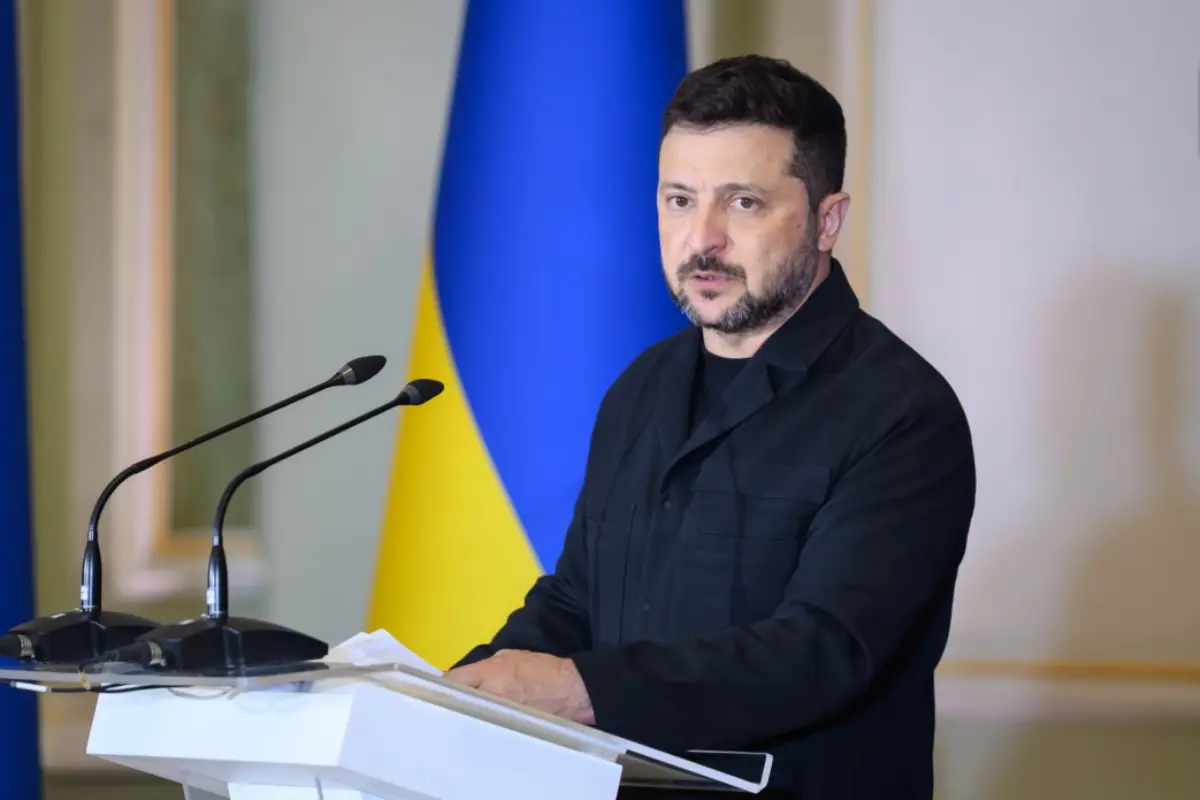
Ukrainian President Volodymyr Zelensky said a separate negotiating channel with Russia will be opened over the Black Sea maritime corridor and grain shipping, bringing diplomacy back to a part of the war where attacks on ports, commercial vessels and energy infrastructure have become increasingly connected.
Zelensky said on August 24 that several countries would work on the Black Sea file, without naming the states expected to mediate the new channel. His announcement follows a Turkish proposal earlier this month for Russia and Ukraine to establish a moratorium covering military activity that threatens commercial shipping.
The two sides remain far apart over what such an arrangement should protect.
Zelensky said Russia was not ready to accept a ceasefire limited to vessels carrying agricultural products because Moscow wants Ukrainian attacks on Russian refineries, pipelines and other energy infrastructure halted as part of the same arrangement.
Kyiv's response is that any extension to energy targets must be reciprocal. Zelensky said Russian attacks on Ukraine's energy system would also have to stop if energy infrastructure were brought into the negotiations.
That leaves a possible Black Sea deal tied to a much larger exchange of military restraints. Ukraine has continued striking Russian energy facilities, while Russia has targeted Ukrainian power infrastructure, ports and logistics networks.
Türkiye Had Already Proposed a Maritime Moratorium
Turkish Foreign Minister Hakan Fidan publicly put a Black Sea moratorium on the agenda on August 8.
Fidan said attacks in the Black Sea had spread beyond military targets and warships to commercial vessels, including ships linked to Türkiye through ownership, flags or crews. He said Ankara had conveyed to both Russia and Ukraine a proposal for a mechanism under which the sides would suspend military activity affecting commercial shipping.
Moscow responded on August 14.
Russian Foreign Ministry spokeswoman Maria Zakharova said Russia had not received a formal Turkish proposal through official channels containing specific terms. She also rejected what Moscow called one-sided arrangements that could provide Ukraine with temporary advantages and opposed simply returning to the structure of the former Black Sea Grain Initiative.
Zakharova nevertheless said Russia attached importance to peace initiatives advanced by Türkiye.
Zelensky's latest announcement now places a separate Black Sea diplomatic channel alongside that earlier Turkish initiative, although Ankara has not been publicly identified as the mediator of the new negotiations.
The Odesa Corridor Remains Open
Zelensky also rejected claims that Ukraine's maritime corridor has been completely blocked.
He said three or four vessels continue to enter and leave the Greater Odesa port area each day despite Russian attacks on port infrastructure. Kyiv accuses Moscow of trying to impose a full blockade.
Odesa, Chornomorsk and Pivdennyi remain central to Ukraine's seaborne exports. Continued attacks around the ports have disrupted shipping and added pressure to agricultural markets, with both Ukraine and Russia remaining major suppliers of grain to international markets.
Ukraine has also sought a direct halt to attacks on civilian targets in the Black Sea. Reuters reported earlier in August that Kyiv had transmitted such an offer to Moscow through an unidentified third party.
The intermediary was not disclosed.
The Old Grain Deal Still Shapes the Negotiations
The diplomatic argument is still influenced by the collapse of the Black Sea Grain Initiative.
The United Nations and Türkiye brokered that agreement in 2022 to allow Ukrainian agricultural exports through designated maritime routes. Russia withdrew in 2023, arguing that commitments intended to ease obstacles facing Russian agricultural and fertilizer exports had not been fulfilled.
Ukraine subsequently established its own maritime corridor from the Greater Odesa ports.
Moscow has made clear that it does not want a new arrangement built simply around restoring the previous model. Kyiv is pressing for guarantees that would protect civilian shipping and agricultural exports without giving Russia protection for energy facilities unless Ukrainian infrastructure receives the same treatment.
Those positions explain why an apparently narrow shipping truce has become tied to refineries, pipelines and national energy systems.
Fidan's August proposal sought to isolate commercial shipping from the expanding military contest in the Black Sea. Zelensky's announcement suggests that maritime negotiations are moving forward, but the terms now under discussion extend well beyond vessels carrying grain.
No mediator for the separate channel has been publicly confirmed, and no agreement has been announced. Russia and Ukraine have, however, now set out the conditions they want attached to any new Black Sea arrangement, while Türkiye has already placed a commercial-shipping moratorium before both governments.
Sources: Reuters, Türkiye's Foreign Ministry, Russian Foreign Ministry, Karar/IHA, Bosphorus News review and reporting.