
By Bosphorus News Economy Desk
More than 40,000 vessel transits were recorded through the Turkish Straits in the first half of 2026, with the Dardanelles exceeding the Bosphorus in both the number of passages and the combined gross tonnage of vessels using the waterway.
Statistics published by Türkiye's Ministry of Transport and Infrastructure recorded 40,218 passages through the two straits between January 1 and June 30. The total combines passages through the Bosphorus and the Dardanelles and should not be read as the number of individual ships, since the same vessel may use both waterways or make repeated voyages.
The Dardanelles recorded 20,941 passages during the six-month period, compared with 19,277 through the Bosphorus.
The difference was considerably wider in gross tonnage. Vessels passing through the Dardanelles represented 465.98 million gross tons, while traffic through the Bosphorus reached 301.54 million gross tons, bringing the combined total to 767.52 million.
The Dardanelles therefore accounted for 52.1 percent of all passages and 60.7 percent of the gross tonnage recorded across the Turkish Straits during the period.
General Cargo Ships Led Traffic
General cargo ships formed the largest vessel category, with 13,127 passages through the two straits during the first half of the year.
Bulk carriers followed with 7,777 passages, while container ships accounted for 5,188. Together, those three categories made up almost 65 percent of all recorded movements.
The official tables also recorded 9,404 tanker passages, combining general tankers, chemical tankers and vessels carrying liquefied petroleum gas or liquefied natural gas.
Pilot-assisted passages reached 24,260, including 12,254 through the Bosphorus and 12,006 through the Dardanelles. That means pilots were used in just over 60 percent of all recorded transits.
The data also show 22,395 non-call passages by vessels that crossed the straits without stopping at a Turkish port, while ships longer than 200 meters accounted for 6,225 movements.
Traffic, Pilotage and Montreux Charges
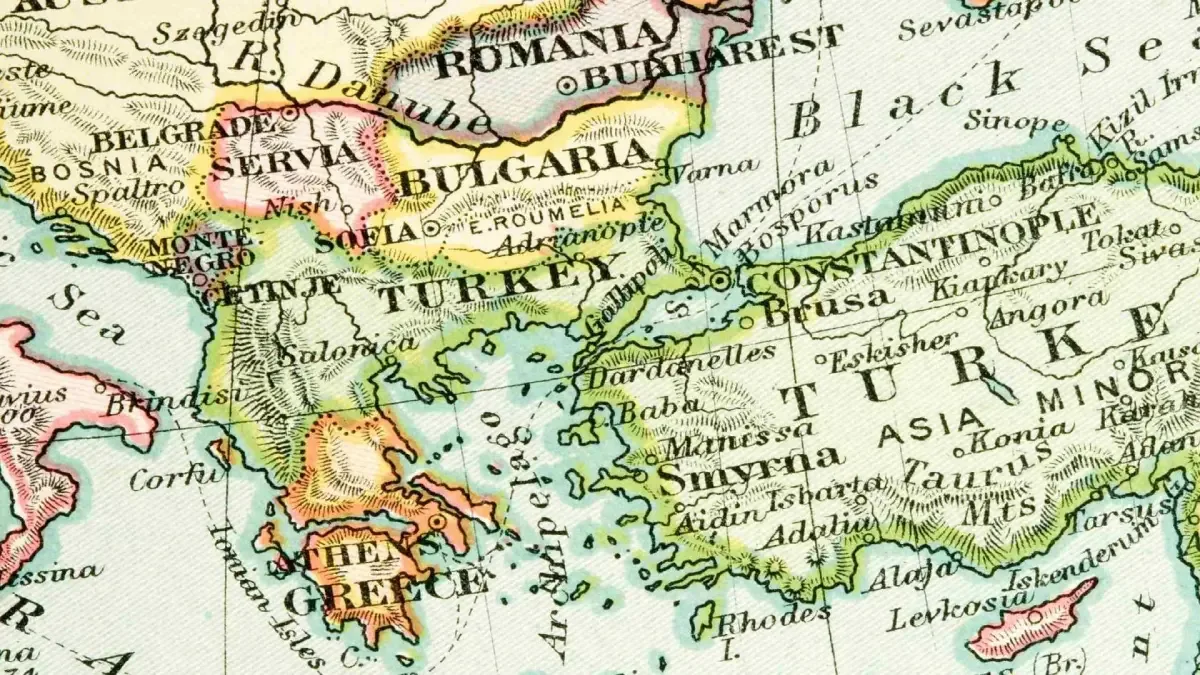
The Bosphorus and Dardanelles connect the Black Sea with the Mediterranean through the Sea of Marmara, carrying grain, energy products, containers and industrial cargo through narrow waterways where commercial traffic operates alongside strong currents, dense coastal settlements and closely managed navigation rules.
The volume recorded in the first-half figures also falls under the service-charge system established within the framework of the 1936 Montreux Convention. Türkiye raised the Gold Franc value used to calculate lighthouse, salvage and health inspection charges for non-stop passages to $6.70 from July 1, with the new basis applying until June 30, 2027.
The revised Turkish Straits fee basis continues the annual adjustment policy introduced after the calculation value had remained near $0.80 for 39 years. It is not a canal-style toll, but the monetary basis used to calculate specified services provided to vessels passing through the straits without calling at a Turkish port.
The latest traffic figures were published under Türkiye's Official Statistics Program, which releases Turkish Straits data every three months. The Ministry of Transport and Infrastructure states that the Directorate General of Coastal Safety is responsible for the accuracy, consistency and currency of the figures.
The tables measure passages and vessel gross tonnage rather than the quantity or monetary value of cargo carried. They therefore provide a measure of traffic intensity, vessel size and operational demand, but do not show how many tons of goods moved through the waterways.
Sources: Türkiye's Ministry of Transport and Infrastructure, Directorate General of Coastal Safety, Bosphorus News review and reporting.