
By Bosphorus News Geopolitics Desk
Türkiye has rejected Greek and Greek Cypriot claims that Turkish F-16 fighter jets harassed aircraft carrying Greek Defense Minister Nikos Dendias and European defense officials to Cyprus, saying the aircraft were scrambled only after violations of Turkish Cypriot airspace.
The Turkish Presidency's Directorate of Communications Center for Countering Disinformation said reports claiming that Turkish jets had harassed ministerial aircraft or violated Greek Cypriot airspace were "entirely false."
The dispute centers on flights between Greece and the Greek Cypriot administration on June 7, 2026, as European Union defense ministers gathered in Nicosia for an informal meeting under the Cyprus Presidency of the Council of the European Union.
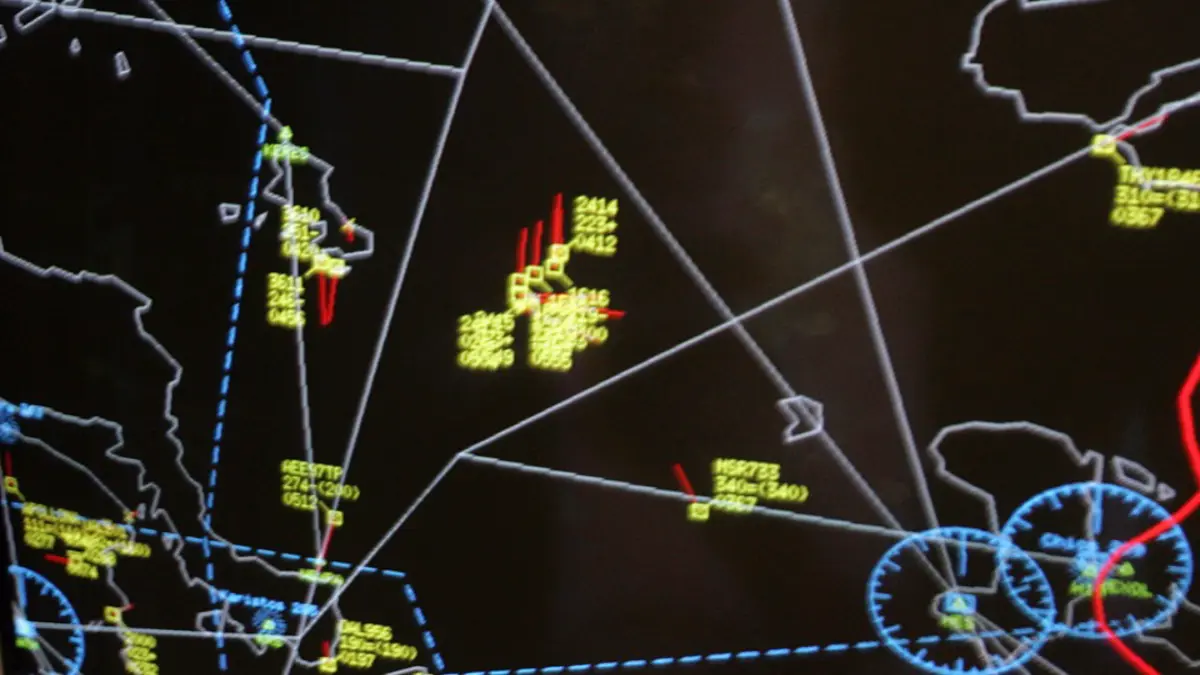
The Turkish statement said six air traffic movements were detected on that route, four of which violated the airspace of the Turkish Republic of Northern Cyprus. It said two Turkish F-16s on alarm reaction duty in the TRNC were scrambled as a precaution.
Türkiye said the F-16s operated only inside TRNC airspace, did not enter Greek Cypriot airspace and did not harass any aircraft.
Greek and Greek Cypriot accounts presented a sharply different version of the incident. Greek and Cypriot media said Turkish military aircraft and air traffic controllers in the north of the island interfered with or followed aircraft carrying Dendias and other European defense officials as they traveled to Cyprus for the EU meeting.
Cyprus Mail reported that Greek Cypriot President Nikos Christodoulides described the incident as unacceptable and said the matter would be taken to international authorities. Greek officials also condemned the reported interference, while Türkiye and the Turkish Cypriot side rejected the allegations.
The episode adds a new airspace dispute to an already crowded Cyprus security file. The EU defense ministers' meeting in Nicosia was convened to discuss defense readiness, coordinated European responses and Common Security and Defense Policy priorities, placing the incident inside a broader European security setting rather than a narrow Greek-Turkish exchange.
Dendias' presence gave the incident added political weight. The Greek defense minister has been one of Athens' most visible voices on Cyprus, the Aegean and Eastern Mediterranean security issues. His participation in the Nicosia meeting came as Greece and the Greek Cypriot administration continue to deepen military coordination with European partners.
The timing also intersects with a separate French-Greek Cypriot defense file. Cyprus and France have moved toward a Status of Forces Agreement that would provide a legal framework for the presence and activities of French military personnel on the island. The TRNC Foreign Ministry warned in May that the planned agreement would deepen the Greek Cypriot administration's military cooperation with France and alter the island's security balance.
The F-16 episode now sits beyond a single flight path dispute, feeding into the wider contest over air traffic control, military access and security rules around Cyprus.
Türkiye has already expanded its military planning around the island this year. Reuters reported in March 2026 that Ankara was weighing the deployment of F-16s to northern Cyprus as part of phased steps to strengthen the security of the Turkish Cypriot state. Turkish and Turkish Cypriot sources later said six F-16s would be deployed to the north.
Bosphorus News previously examined how Türkiye and the TRNC rejected an EU Cyprus reading they described as distorted and exclusionary, and how Türkiye, Greece and Cyprus remain locked in a wider contest over guarantor powers and regional security partnerships.
The latest dispute sharpens that pattern. Greece and the Greek Cypriot administration frame the incident as interference with European ministerial traffic. Türkiye frames it as a response to violations of TRNC airspace. Between those two claims lies the core Cyprus question that European defense meetings cannot avoid: the island's airspace, military access and security architecture remain contested, even when the agenda is written in Brussels language.
***Sources: Turkish Presidency's Directorate of Communications Center for Countering Disinformation, Cyprus Presidency of the Council of the European Union, Greek Ministry of National Defense, Cyprus Mail, TRNC Foreign Ministry, Reuters and Bosphorus News Reporting.