
By Bosphorus News Economy Desk
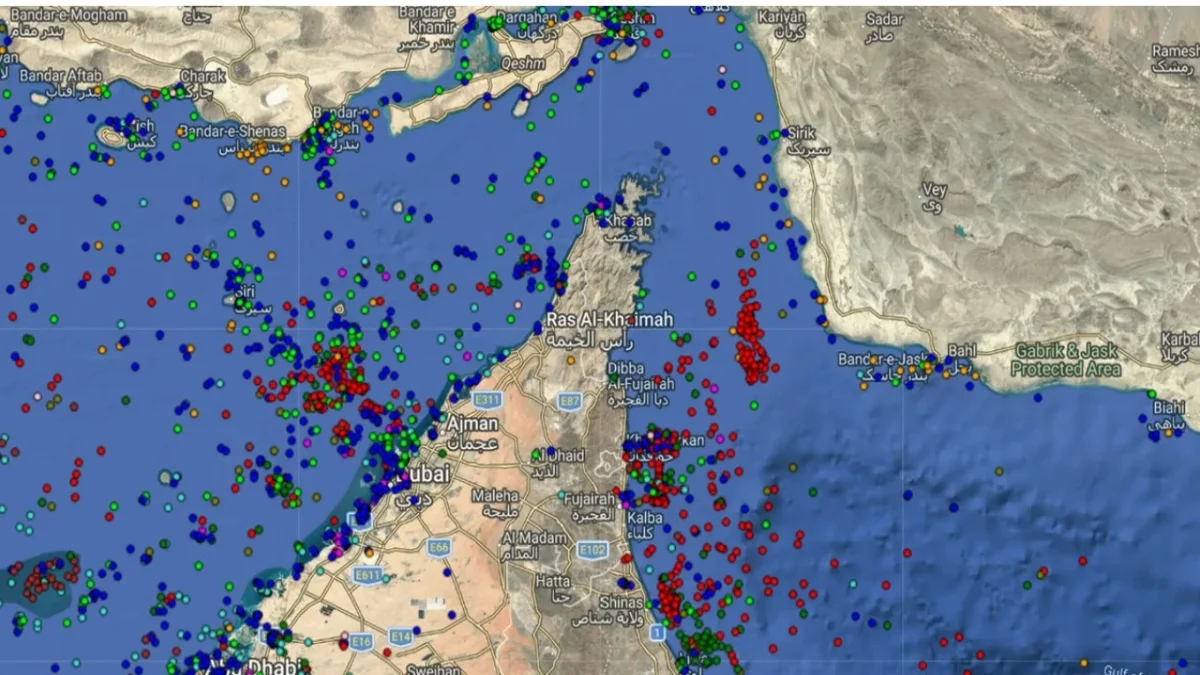
Disruption in the Strait of Hormuz has exposed Türkiye's dependence on imported fertilizer and raw materials, adding a new input-cost shock after the country's agricultural sector contracted sharply in 2025.
Urea prices climbed from around $400 per metric ton before the Iran war to more than $850 in April, according to a World Trade Organization analysis based on World Bank data. Prices eased to $453 by June as fertilizer markets adjusted, but remained above prewar levels.
Up to 30 percent of global fertilizer trade passed through Hormuz in 2024, according to the International Food Policy Research Institute. Gulf countries accounted for 36 percent of global urea exports between 2023 and 2025, with Iran and Qatar the largest regional exporters, followed by Saudi Arabia.
Türkiye was among the leading buyers of Gulf urea in 2025. The country also relies on imported liquefied natural gas and other inputs used in nitrogen fertilizer production, leaving domestic prices exposed even when cargoes are purchased outside the Gulf.
Import dependence leaves little room for insulation
Türkiye consumes more fertilizer than its domestic industry can supply and remains dependent on imported products and raw materials.
Urea imports averaged about 2.8 million tons a year between 2023 and 2025, according to fertilizer-market data reported after the crisis began. Imports reached roughly 2.7 million tons in 2025, with Iran-linked shipments accounting for about 44 percent of the total. Egypt supplied around 24 percent and Russia about 13 percent.
Türkiye's domestic nitrogen fertilizer producers also rely on imported natural gas and other feedstocks. That dependence leaves production costs exposed to international energy and commodity prices even when factories remain operational.
The International Food Policy Research Institute identified Türkiye among the countries whose fertilizer production is exposed to Gulf liquefied natural gas supplies. Natural gas is both the main feedstock and the largest energy cost in ammonia production, which underpins urea and other nitrogen fertilizers.
The Hormuz shock reached Türkiye after a difficult agricultural year. Türkiye's economy expanded 3.6 percent in 2025, while agriculture, forestry and fishing contracted 8.8 percent. The decline preceded the Iran war and reflected separate pressures on production, but it left farmers more vulnerable to a new increase in fertilizer, energy and freight costs.
Import duties removed as prices surged
Türkiye moved first to reduce the cost of imported urea.
A presidential decree published on March 7 removed the 6.5 percent customs duty that had applied to most urea imports. The decision took effect days after the February 28 outbreak of the Iran war and the disruption of shipping through Hormuz.
The government broadened the response on April 3 by removing duties from additional essential nitrogen and compound fertilizers.
Türkiye's Trade Ministry said the measures were intended to protect agriculture from cost increases, strengthen fertilizer supply security and limit speculative price movements caused by disruptions to supply and freight.
Removing tariffs can reduce part of the landed cost, but it cannot reverse a global price increase or solve a supply shortage. Buyers must still compete with major agricultural importers seeking cargoes from Russia, North Africa and other producers outside the Gulf.
The decline in urea prices from their April peak shows that global markets have begun to adjust. The World Trade Organization cautions that shipping data may understate cargo movements because vessels transiting Hormuz sometimes disable their tracking signals. The recovery does not mean that normal trade conditions have fully returned.
The risk extends from fertilizer to food production
Higher fertilizer costs do not automatically produce an immediate fall in yields. Farmers can reduce application, change products or shift toward crops that require less nitrogen.
The pressure becomes more serious when fertilizer prices rise while crop prices remain relatively stable. That weakens farm margins and encourages producers to cut inputs, increasing the risk of lower output in later harvests.
The International Food Policy Research Institute warned that a prolonged disruption could reduce fertilizer use and threaten yields in nitrogen-intensive crops. Gulf restrictions also affect ammonia, phosphate fertilizers and sulfur, creating several transmission channels from Hormuz to agricultural production.
Türkiye's exposure is not limited to the price of imported urea. Domestic fertilizer production also depends on internationally traded energy and raw materials, while farmers face the combined cost of fertilizer, fuel, credit and transport.
Proposed railway offers no immediate alternative
Türkiye and Saudi Arabia plan to develop a railway connection through Syria and Jordan that Turkish officials have presented as a future response to disruptions around Hormuz.
The route cannot provide immediate relief. Around 400 kilometers of track remain missing between Syria and Jordan, and the project has a three-to-four-year target.
Even after completion, rail could supplement selected shipments rather than reproduce the scale and cost structure of seaborne bulk trade. Urea is a high-volume, price-sensitive commodity, making additional border, handling and inland transport costs particularly relevant.
Türkiye's immediate response has relied on tariff relief and supplier diversification rather than a new transport corridor. The Hormuz shock has shown that geography alone does not remove supply risk when domestic agriculture and fertilizer production remain tied to imported products, energy and industrial inputs.
Sources: World Trade Organization, World Bank, International Food Policy Research Institute, Türkiye's Trade Ministry, Reuters, Argus Media, Bosphorus News review and reporting.