
By Bosphorus Geopolitics Desk
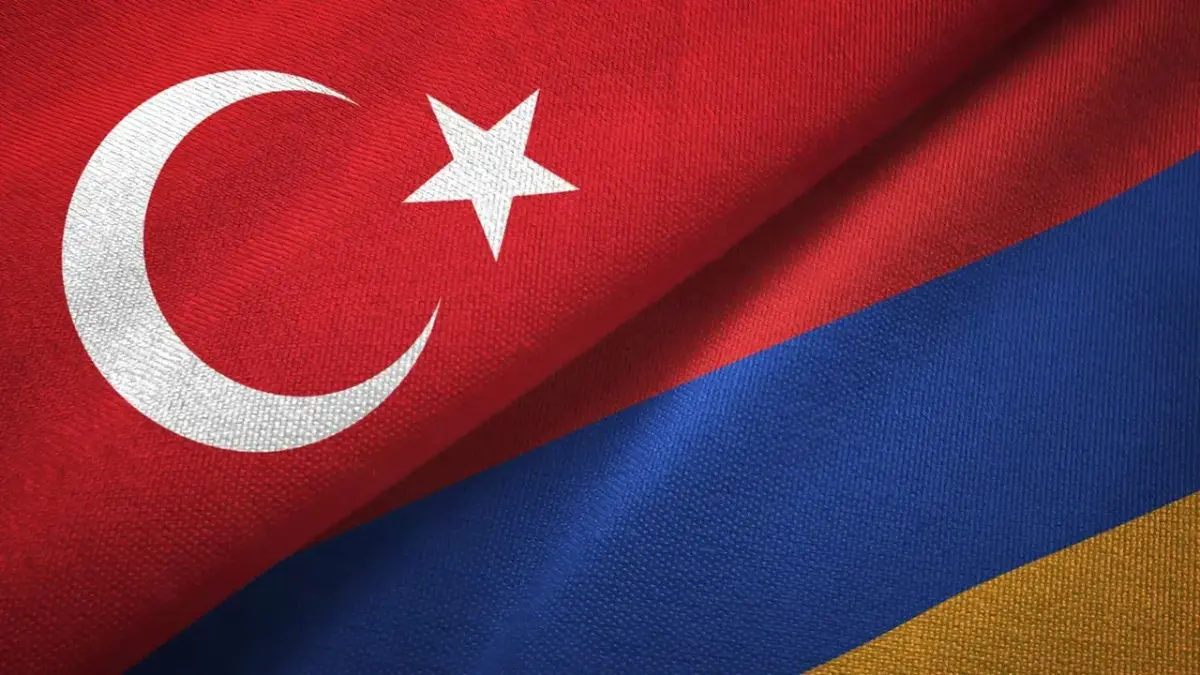
Türkiye has completed the formal steps needed to begin direct trade with Armenia, easing a long-running restriction inside one of the South Caucasus's most sensitive normalization tracks.
Turkish Foreign Ministry Spokesperson Öncü Keçeli said the bureaucratic preparations were completed as of May 11, 2026. Under the new regulation, goods transported from Türkiye to Armenia through a third country, and goods moving from Armenia to Türkiye through a third country, can now list "Türkiye/Armenia" as the final destination or point of origin.
The change removes a technical barrier that had kept bilateral commerce formally indirect even when goods were already moving through regional routes. It does not reopen the shared land border.
Keçeli said technical and bureaucratic work on the opening of the common border is still continuing. The border file has also moved through infrastructure talks, including rail links and Ani Bridge discussions, as Bosphorus News reported.
Armenia welcomed the move as another result of the normalization process. Armenian Foreign Ministry Spokesperson Ani Badalyan said the decision was important for developing full and normal relations between the two countries, expanding trade and business ties, improving regional connectivity and supporting peace and prosperity.
The Associated Press reported that the previous arrangement forced goods traded between the two countries to move through third countries without listing Türkiye or Armenia as the origin or destination. Reuters described the customs move as a step toward direct trade links after more than three decades of strained relations.
Türkiye and Armenia have no formal diplomatic relations, and their joint border has been closed since 1993. Ankara sealed the frontier in solidarity with Azerbaijan during the first Nagorno-Karabakh war, leaving the file tied to the wider Armenia-Azerbaijan settlement despite periodic attempts to restart engagement between Ankara and Yerevan.
That constraint has not disappeared. Baku's role remains central to the pace of any wider opening, as Bosphorus News examined in its coverage of the Türkiye-Armenia normalization track after Karabakh.
The current track began in late 2021, when Türkiye and Armenia appointed special envoys to explore reconciliation and the possible opening of the border. The process has produced limited steps, including the resumption of direct flights and some visa facilitation, but has not yet reached full diplomatic relations or an open frontier.
The latest trade step follows earlier movement on the same file, with direct commerce allowed through third countries while the land border remained closed, as Bosphorus News reported.
The measure also fits a narrower pattern in Ankara's recent diplomacy. Türkiye has kept technical channels open with politically difficult counterparts when trade, security or law-enforcement interests overlap. The recent handover of Dawood Ibrahim-linked narcotics suspect Mohammed Salim Dola to India after an Istanbul arrest showed the same practical logic on a different file. Neither case amounts to a strategic reset, but both show that transactional channels can move below the level of high politics.
The trade channel may reduce costs, clarify customs records and make business contacts easier to sustain. It cannot, by itself, settle the border question or remove Azerbaijan from the center of Ankara's calculations. Its value lies in that limited space: Türkiye and Armenia are testing a practical layer of normalization before the political architecture is ready for a wider opening.
***Sources: Turkish Ministry of Foreign Affairs; Associated Press; Reuters; Armenpress; Hürriyet Daily News; Bosphorus News reporting.