
By Bosphorus News Geopolitics Desk
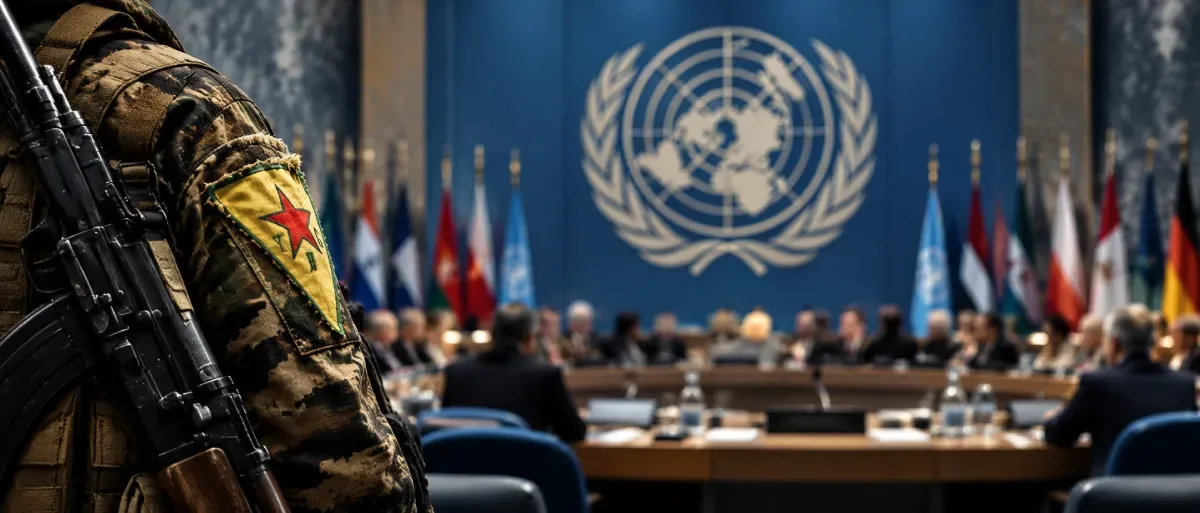
The Kurdistan National Congress (KNK) has stepped up its campaign for Kurdish representation at the United Nations, using a conference in Brussels to discuss observer status and the legal and diplomatic steps needed to pursue it.
The October 3 conference at Vrije Universiteit Brussel brought together political representatives, academics and legal experts. Hawar News Agency (ANHA) reported that participants included former United Nations official Miloon Kothari, former Icelandic Foreign Minister Ögmundur Jónasson and international law specialists.
Zübeyir Aydar, a former Turkish lawmaker and member of the KNK, who is also identified by Turkish authorities as a senior figure in the Kurdistan Communities Union (KCK), which Türkiye considers part of the PKK's organizational structure, argued that Kurds need a presence on international platforms. Türkiye's Foreign Ministry states that the KCK and PKK are the same organization.
The Kurdistan Workers' Party (PKK) is designated as a terrorist organization by Türkiye, the United States and the European Union.
According to Firat News Agency (ANF), a Kurdish news agency widely described as close to the PKK, Aydar said the Brussels meeting was intended to help build a common position on Kurdish representation within the UN system.
The initiative follows a decision taken at the KNK's 24th General Assembly in June. The organization said it would seek recognition of Kurds as a nation and pursue observer status in UN-affiliated institutions, describing Palestinian observer status as a reference point for the proposal.
Ahead of the conference, the KNK said it had submitted a letter to UN Secretary-General António Guterres and consulted legal and political experts. It also acknowledged that the initiative could not be carried by the KNK alone and would require wider national and international support.
ANHA said the Brussels meeting examined the legal, political and diplomatic steps that would be required to pursue representation, along with ways to establish a common position among Kurdish parties and institutions.
The Türkiye dimension is built into the initiative. The KNK defines its political framework across Kurdish communities and organizations in Türkiye, Iran, Iraq and Syria. Any common representation mechanism would therefore involve actors operating under very different legal and political systems in the four countries.
No formal UN status has been secured. The Brussels meeting was part of an ongoing political and diplomatic campaign, not an announcement of recognition by the United Nations.
Sources: Firat News Agency (ANF), Hawar News Agency (ANHA), Kurdistan National Congress, Türkiye's Foreign Ministry, Bosphorus News review and reporting.