

By Bosphorus News Geopolitics Desk
Israeli security officials have accused Türkiye of trying to influence Israel's October election through social media, days after Likud lawmaker Amit Halevi told The Jerusalem Post that Türkiye and Iran were seeking "regime change" in the country.
The officials did not disclose any accounts, platforms, organizations or evidence linking the alleged activity to the Turkish government.
They claimed that the operation sought to influence Israeli public opinion, disrupt the campaign and deepen political divisions. The reports offered no details about its scale, methods or command structure.
Halevi made a broader accusation in an interview with The Jerusalem Post on July 27. He said Iran and Türkiye were using digital networks, foreign funding and ostensibly legitimate organizations to interfere in Israeli politics.
The Likud lawmaker presented the allegations as part of an effort to remove Prime Minister Benjamin Netanyahu's government. His remarks were political claims, not technical findings released by Israel's security services.
Separate warnings involving Iran went further. Shin Bet Director David Zini reportedly told senior officials that Iran and other countries were trying to interfere in the election.
A closed meeting of the Knesset Intelligence and Secret Services Subcommittee also examined possible threats against candidates and elected officials. Reports linked the physical threat warnings mainly to Iran. The public allegation against Türkiye remained focused on social media activity.
The claims follow a July report by Israel's State Comptroller, which found that the country had no comprehensive national policy or designated authority responsible for coordinating its response to foreign influence in the digital sphere.
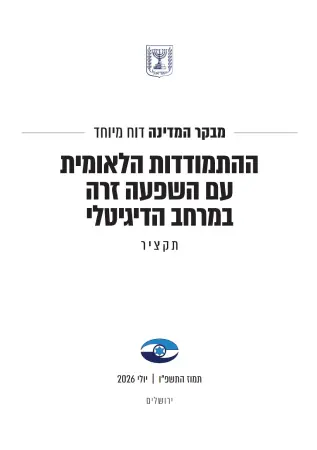
Cover of Israel State Comptroller report on foreign influence in the digital sphere, July 2026
The report identified Iran as the leading source of detected hostile influence activity. It described efforts to deepen political divisions, weaken social cohesion and spread fear during elections, protests and war.
Türkiye was not named in the report.
The State Comptroller also found that preparations often began only shortly before elections and that gaps in monitoring and coordination prevented authorities from measuring the full scale of foreign digital influence.
No official Turkish response had been issued at the time of publication.
Sources: The Jerusalem Post, The Times of Israel, State Comptroller of Israel, Bosphorus News review and reporting.