
By Bosphorus News Energy Desk
Greece has blocked agreement on the European Union's 21st sanctions package against Russia over a proposed ban on transporting Russian liquefied natural gas to countries outside the bloc.
The dispute forced EU governments to preserve the existing $44.10-per-barrel price cap on Russian crude through July 23. The temporary measure prevents the cap from automatically rising while negotiations continue.
The sanctions package targets Russian banks, cryptocurrency networks, drone production, oil traders and refiners. It requires unanimous approval from the EU's 27 member states.
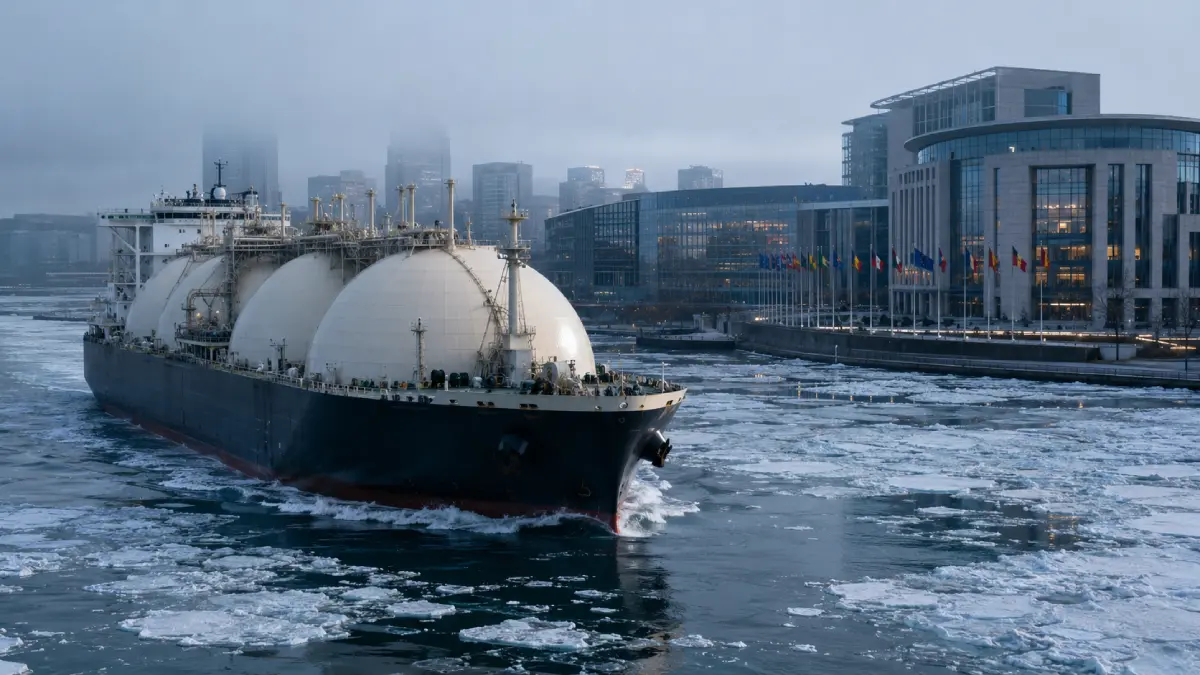
Greece's objection is tied to the effect of the proposed LNG transport ban on Dynagas, a Greek shipping company whose specialised tankers carry gas from Russia's Yamal LNG plant in the Arctic, according to the Financial Times.
Athens Defends the Dynagas Fleet
The Financial Times reported that Greece's representative in Brussels warned the proposed restriction could destroy Dynagas's business.
The company is owned by Greek shipping magnate George Prokopiou and operates a fleet that includes several Arc7 vessels built to navigate the ice-covered waters surrounding the Yamal plant.
Those tankers cannot be easily transferred to conventional LNG routes. Greek officials argued that a European prohibition could force their sale to operators outside Western jurisdictions, allowing Russian exports to continue while the financial damage fell on a Greek company.
The Financial Times based its account on four people familiar with the negotiations. Neither the Greek government nor Dynagas had publicly commented on the report.
Other European diplomats rejected Athens' argument, saying companies across the bloc had accepted losses as the price of sanctions imposed after Russia's invasion of Ukraine.
The disagreement has moved a private shipping exposure into the centre of the EU's latest attempt to reduce Moscow's energy revenues.
Oil Cap Extended as Package Stalls
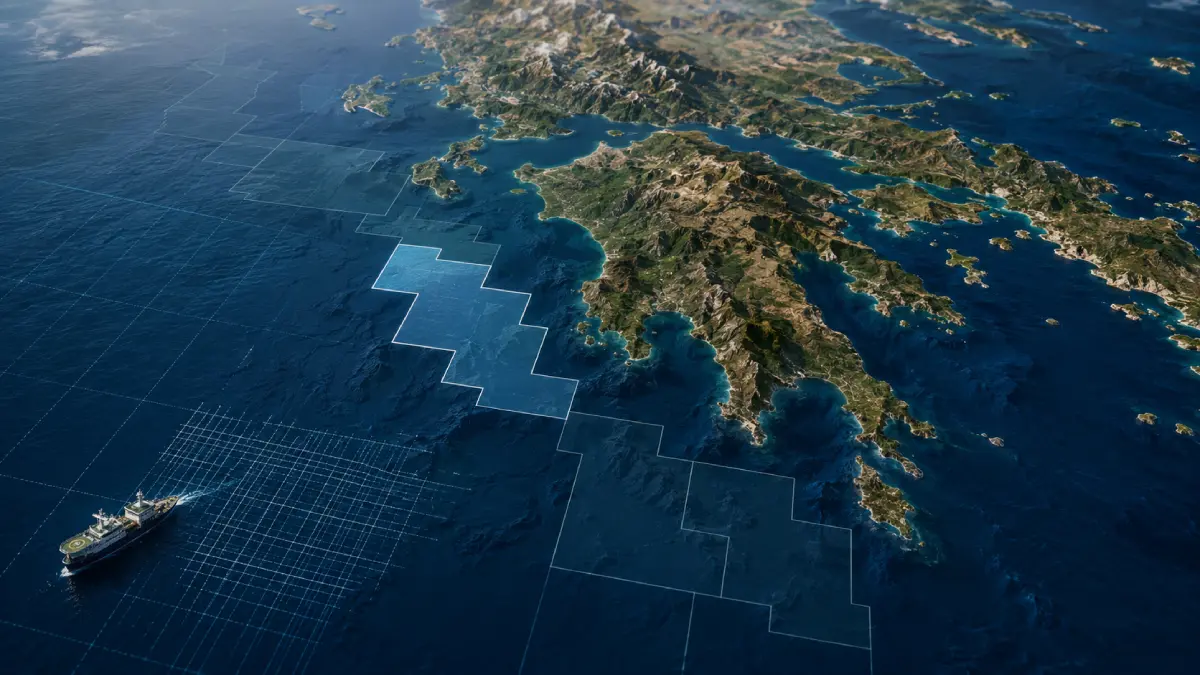
The oil price cap is separate from the disputed LNG transport provision, but the failure to approve the wider package created an immediate deadline.
The EU's dynamic mechanism is designed to keep the ceiling on Russian seaborne crude about 15 percent below the average market price. It is reviewed every six months and currently stands at $44.10 per barrel.
Higher global oil prices meant the mechanism was set to produce a substantial upward adjustment on July 15. EU governments feared that raising the ceiling would allow Russia to receive more revenue from each barrel sold with access to Western shipping, insurance and financial services.
The one-week extension keeps the existing ceiling in place through July 23 while diplomats seek agreement on the sanctions package.
The cap does not prohibit Russian oil exports. It bars European and other participating companies from providing maritime transport, insurance, financing and related services when Russian crude is sold above the permitted level.
The system was designed to reduce Russian earnings without removing large volumes of oil from the global market.
Russian LNG Still Depends on European Shipping
The dispute exposes the role European companies continue to play in Russia's LNG exports.
Yamal LNG relies on ice-class ships capable of navigating Arctic waters. European ports, insurers, shipyards and shipping operators remain important to the project even as the EU prepares to end Russian gas imports.
European purchases from Yamal reached a record 9.89 million tonnes in the first half of 2026, an increase of 18 percent from the same period a year earlier, according to Financial Times reporting based on shipping data. France, Belgium and Spain were the largest buyers.
Dynagas operates part of the specialised fleet serving the project. The Financial Times reported that its vessels had carried more than 10 million tonnes of Russian LNG since the beginning of 2025 across 144 voyages.
The newspaper also reported that Dynacom, another Prokopiou-owned shipping company, earned at least $915 million from transporting Russian crude during the previous three years. Those figures have not been independently confirmed by Bosphorus News and should be read as Financial Times findings.
The volume of Russian LNG entering Europe complicates the bloc's effort to separate its energy system from Moscow. Pipeline imports have fallen sharply since 2022, but seaborne gas has remained available through terminals in western Europe.
Restrictions on transport to third countries would target the logistics supporting that trade rather than only the EU's own consumption.
Greece Turns Commercial Exposure Into an EU Veto
Greece is one of the world's largest maritime powers, and its shipping companies hold a substantial position in the transport of oil and gas. Athens has previously called for coordination with the Group of Seven and protection against measures that could shift Russian energy trade from European fleets to less regulated competitors.
The Dynagas dispute goes further. Greece is using the EU's unanimity requirement to resist a measure that could directly damage one company's specialised fleet, according to the Financial Times account.
Athens is not blocking the oil price cap itself. Its objection to the LNG provision has prevented approval of the broader package, leaving EU governments to protect the oil ceiling through a temporary extension.
The distinction is important because the immediate policy result and the underlying dispute concern different Russian energy exports.
Brussels has kept the crude cap at $44.10 for another week. Agreement on the 21st sanctions package now depends on whether Greece receives an exemption, compensation, a transition period or sufficient guarantees for the Dynagas vessels.
Until that dispute is resolved, the EU's next move against Russian banks, military supply chains and energy revenue remains tied to a small group of ice-class tankers operated by a Greek shipping company.
Sources: Reuters, Financial Times, European Commission, Bosphorus News review and reporting.