
By Bosphorus News Geopolitics Desk
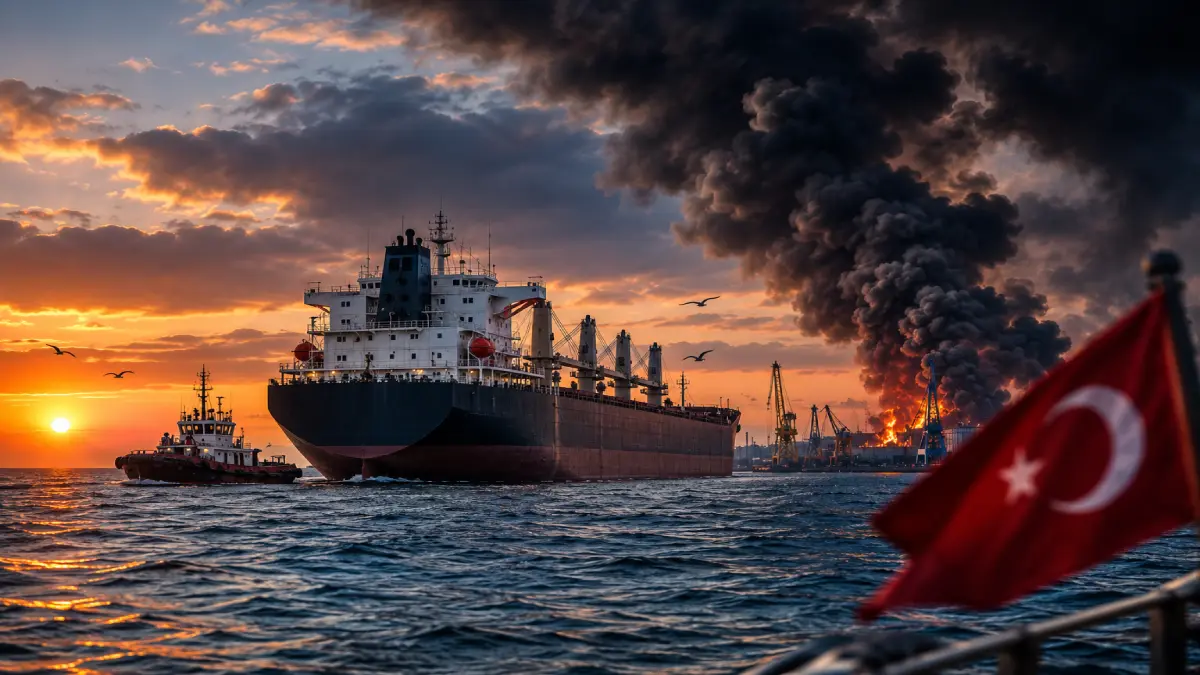
Russia and Ukraine have expanded their attacks on maritime trade routes, placing both sides of the Black Sea grain system under pressure and driving sharp increases in international wheat prices.
Ukraine said its forces struck 11 Russian-linked vessels in the Black Sea and Sea of Azov, including tankers, dry-cargo ships and tugboats. Russia simultaneously intensified attacks on Ukrainian port infrastructure in Odesa and Pivdennyi, further disrupting a maritime network that carries more than 90% of Ukraine's grain and vegetable oil exports.
The Ukrainian claims regarding the vessels could not be independently verified. Moscow has accused Kyiv of targeting civilian commercial traffic, while Ukraine says the ships form part of Russian military, energy or logistics networks.
European wheat futures rose by around 7% on Thursday to their highest level since February 2025. Chicago wheat contracts also climbed as traders assessed the risk to exports from Russia and Ukraine, two of the world's largest grain suppliers.
The escalation marks a shift from intermittent attacks on individual ships towards sustained pressure on ports, terminals, channels and commercial fleets across the wider Black Sea region.
Ukraine loses a third of port capacity
Ukraine has lost approximately one-third of its monthly grain export capacity through its Black Sea ports as Russian missile and drone attacks intensify, according to the Ukrainian Agrarian Council.
The ports had been capable of handling around 6 million metric tons of cargo per month. Their effective capacity has now fallen to about 4 million tons.
Four of Ukraine's 13 major grain terminals have suspended purchases. Kernel, one of the country's largest agricultural exporters, has also halted operations at its terminal in Chornomorsk following repeated attacks.
Exporters have reported cancelled vessel bookings, withdrawn freight contracts and disruptions to rail deliveries feeding the ports. The slowdown is also increasing pressure on storage facilities as newly harvested grain continues to arrive while the pace of loading and departure declines.
Ukraine has said it intends to maintain agricultural export volumes by strengthening protection around its ports. Kyiv is targeting approximately 43 million tons of grain exports during the 2026–27 season, compared with around 37 million tons in the previous marketing year.
Whether that target remains achievable will depend increasingly on the security of the Odesa port complex and the willingness of shipowners and insurers to continue serving it.
Russia says it targets infrastructure used for military purposes. Ukraine says the strikes are intended to weaken one of its most important sources of foreign-currency earnings.
Russia's Azov export route is also under pressure
Ukraine has opened a parallel front against Russian maritime logistics in the Sea of Azov, where repeated drone attacks have affected tankers, cargo vessels and support ships.
The Azov route handles roughly one-quarter of Russia's grain exports. It connects producing regions around Rostov and Krasnodar with the Black Sea through the Kerch Strait and the Azov–Don shipping channel.
Security restrictions imposed after the attacks have limited access into and out of the Sea of Azov. Russia has begun examining whether cargoes can be redirected through other Black Sea or Baltic ports, although those alternatives would add time, distance and cost.
Russia had temporarily halted traffic through the Azov–Don channel after an earlier series of Ukrainian attacks. Subsequent restrictions allowed vessels to move within the Sea of Azov while limiting passage through its principal exits, according to shipping and industry sources.
The disruption has arrived as Russia begins moving its newly harvested grain towards export terminals. A prolonged closure or recurring restrictions would affect the world's largest wheat exporter during an important stage of the shipping season.
Kyiv describes the vessels and facilities it targets as part of Russia's war economy. Moscow calls the attacks terrorism against civilian navigation.
That distinction is increasingly difficult to establish in real time. Commercial vessels may carry ordinary cargo while operating within transport, fuel or revenue networks that also support the Russian state.
Ankara's warnings have not contained the escalation
Türkiye has repeatedly urged Russia and Ukraine to keep commercial shipping outside the war. Those calls have not prevented Turkish-owned or Turkish-operated vessels from being caught in the expanding campaign.
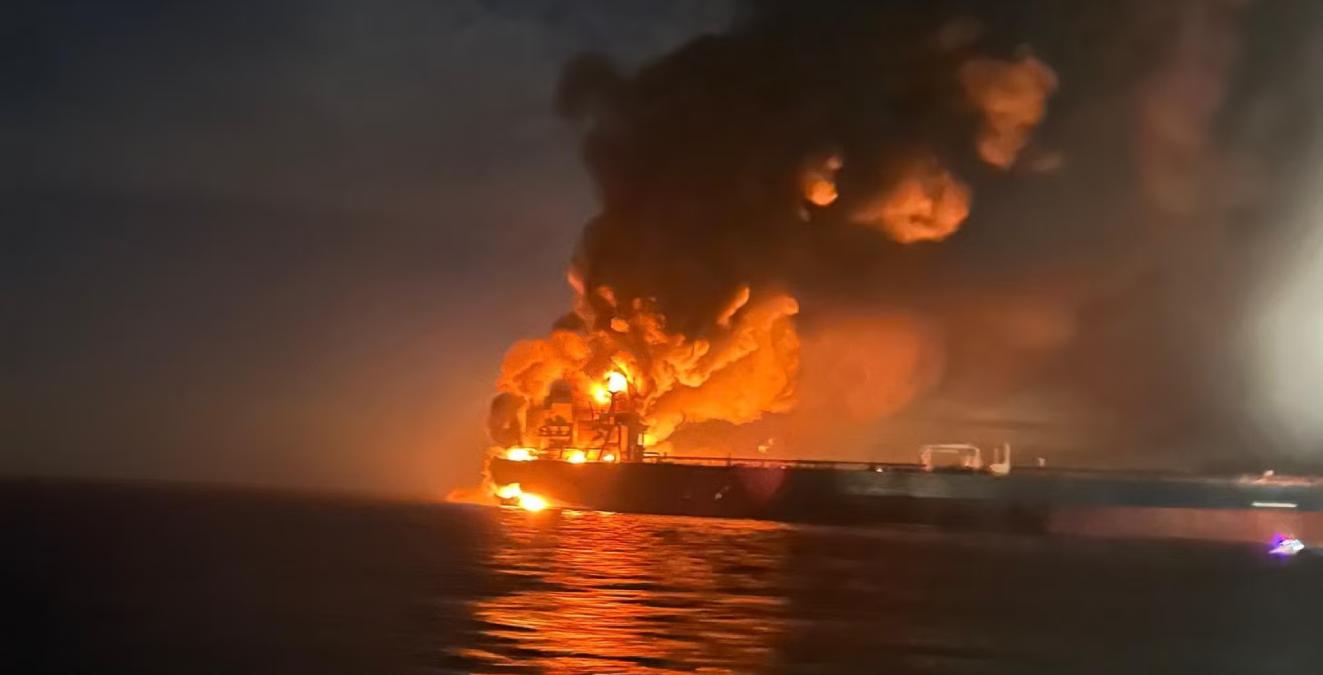
A Turkish-owned, Panama-flagged dry-cargo vessel was attacked by a drone off Ukraine's Chornomorsk port on June 22, injuring two Turkish crew members.
Another Turkish-owned vessel, sailing under the Vanuatu flag and carrying dry cargo from Odesa to Türkiye, was attacked on May 28. Two Turkish crew members suffered minor injuries.
A Turkish-operated tanker carrying crude oil was also attacked in the Black Sea in March.
After the incidents, the Turkish Foreign Ministry called on the parties to protect freedom of navigation and prevent attacks on merchant shipping. Ankara has also argued that regional arrangements are needed to stop the conflict from spreading further into the maritime domain.
The latest escalation indicates that those warnings have had little operational effect.
The risk is no longer limited to vessels approaching Ukrainian ports. Ships using Russian export routes in the Sea of Azov and around the Kerch Strait are also being drawn into the conflict.
The International Maritime Organization has condemned attacks on merchant and search-and-rescue vessels in the Black Sea and Sea of Azov, warning that the conflict poses an immediate threat to crews, international shipping and maritime security.
Türkiye's exposure extends beyond individual ships
Türkiye's concern is not limited to the safety of Turkish crews and shipowners.
The country is a major buyer of Black Sea grain, particularly Russian wheat. A significant share of those imports is processed into flour, pasta and other food products for re-export.
A sustained increase in wheat prices, freight rates or war-risk insurance premiums could therefore raise costs for Turkish millers, exporters and food manufacturers even without creating an immediate shortage in the domestic market.
Turkish shipowners also face growing operational uncertainty. Voyages involving Ukrainian and Russian ports may require higher premiums, additional security assessments or revised contractual terms. Some insurers and vessel operators may avoid exposed routes altogether if attacks continue.
Ankara was central to the Black Sea Grain Initiative agreed by Russia, Ukraine and the United Nations in 2022. The arrangement allowed Ukrainian agricultural exports to resume through an inspected maritime corridor until Russia withdrew in July 2023.
Ukraine later established its own route along the western Black Sea coast. That corridor helped restore export volumes but did not produce an agreed security framework protecting all commercial traffic.
The new phase is broader. Russian attacks are reducing Ukraine's port capacity while Ukrainian attacks threaten Russian shipping and export routes at the same time.
That leaves Ankara with less room to revive a limited agreement focused only on Ukrainian grain. Any new arrangement would increasingly have to address the safety of commercial navigation across both sides of the conflict.
The immediate price rise does not yet constitute a global supply crisis. Cargoes are still moving, alternative ports remain available and markets may retreat if the attacks subside.
But the maritime balance has changed. Freedom of navigation in the Black Sea is no longer solely about keeping Ukraine's export corridor open. It now also concerns whether Russian grain routes, foreign-owned vessels and regional shipping companies can continue operating without becoming direct instruments or targets of the war.
Sources: Reuters, Republic of Türkiye Ministry of Foreign Affairs, International Maritime Organization, Bosphorus News reporting and review