
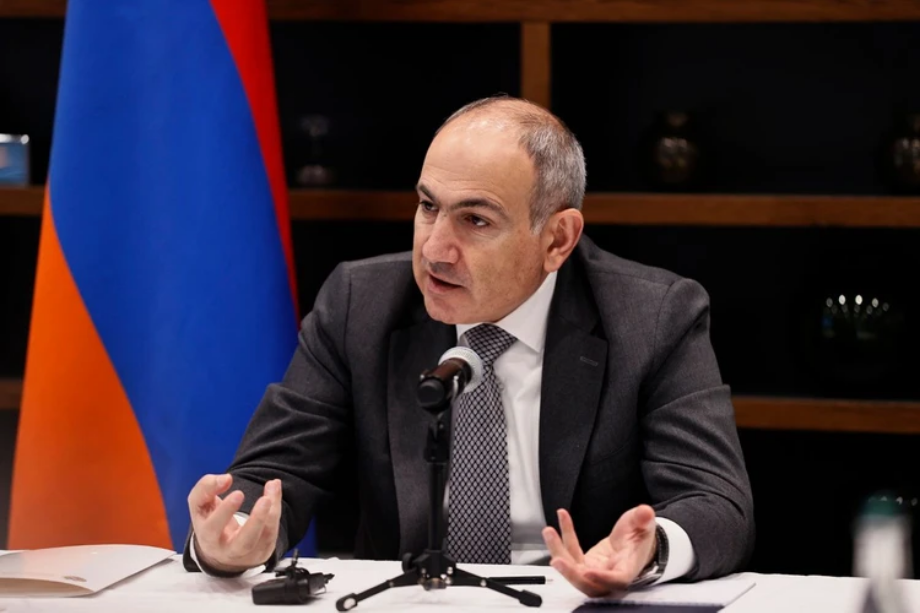
Armenia–Türkiye Dialogue Gains Momentum
Armenian Prime Minister Nikol Pashinyan's recent visit to Germany brought renewed international attention and support to the ongoing normalization efforts between Armenia and Türkiye. During his meetings in Berlin, German officials publicly backed steps toward reopening the long-closed land border and establishing diplomatic relations.
Pashinyan highlighted that the dialogue with Türkiye is occurring on multiple tracks — involving foreign ministries, sectoral institutions and senior leadership — even though formal diplomatic ties have not yet been restored.
Reports emerging over recent weeks suggest that Türkiye is considering reopening the land border with Armenia within the next six months, pending progress in the broader regional peace process.
Peace with Azerbaijan: A Critical Component
A key factor shaping Armenia–Türkiye normalization remains Yerevan's negotiations with Baku.
Pashinyan recently reaffirmed Armenia's commitment to a comprehensive peace agreement with Azerbaijan, dismissing opposition claims about concessions on Nagorno-Karabakh and reiterating that his government seeks stability rather than a return to conflict.
Current border delimitation initiatives and regional integration plans align with this broader push for peace and connectivity. Analysts note, however, that certain political and legal issues remain unresolved, including expectations from Azerbaijan regarding constitutional adjustments and border-related guarantees.
The trajectory of the Armenia–Azerbaijan peace talks will directly influence Türkiye's timeline for opening the border.
Germany's Position: Encouragement for Regional Stability
Germany's message during Pashinyan's visit was clear: Berlin supports regional stabilization and sees Armenia–Türkiye normalization as a crucial step toward broader peace in the South Caucasus.
German officials underscored their readiness to assist in confidence-building measures, reconstruction support, and deepening Armenia's economic ties with Europe — goals that would be strengthened by eventual border reopening with Türkiye.
Background: Our Previous Reporting
For context, you can read our earlier analysis of Türkiye's conditional approach to border reopening:
Six-Month Window: Türkiye Links Armenia Border Reopening to Final Baku Peace Deal
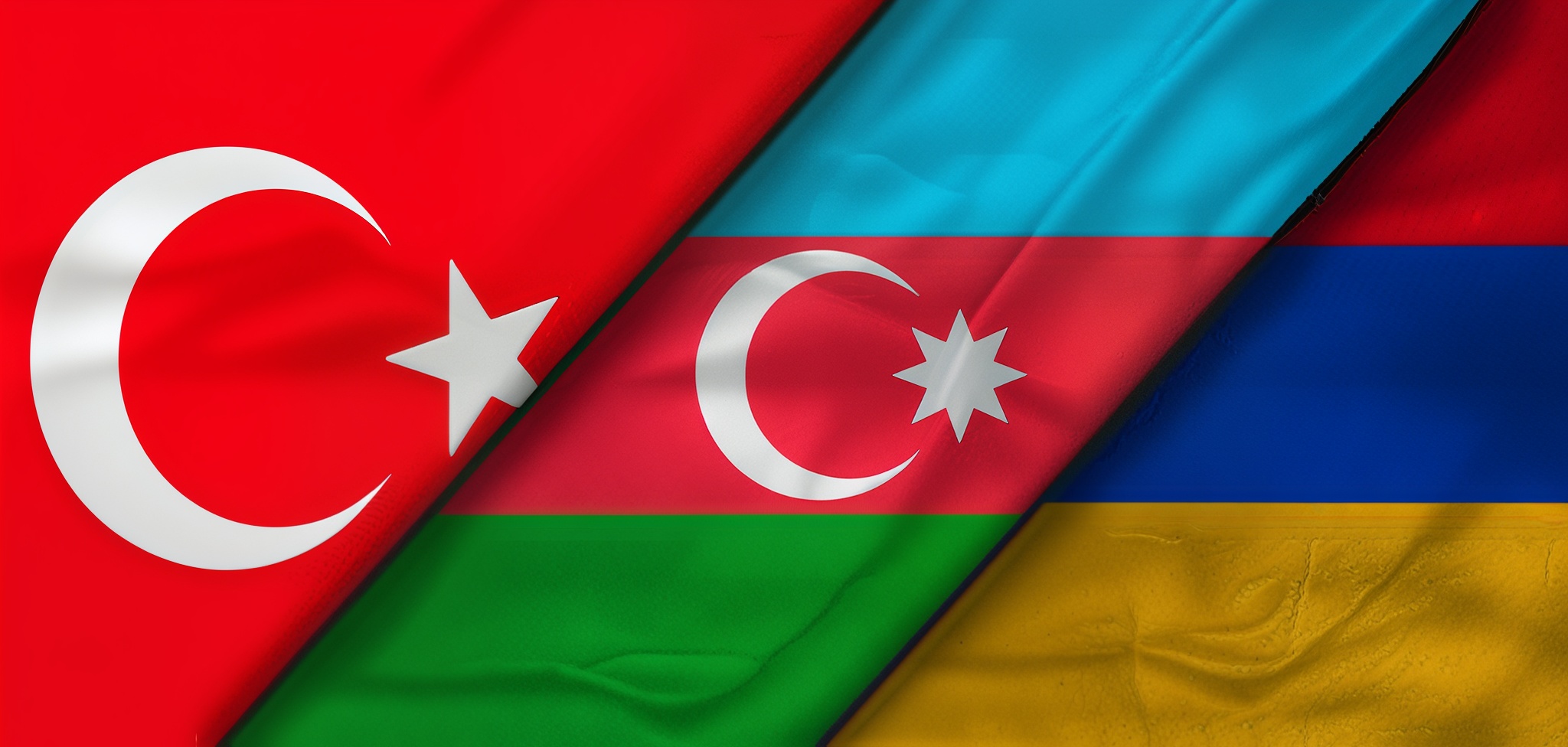
What Lies Ahead for Armenia–Türkiye Rapprochement?
Experts observing the process see both opportunities and constraints:
- Reopening the Armenia–Türkiye border could transform regional trade, boost mobility and strengthen economic ties between the Caucasus and Europe.
- A finalized Armenia–Azerbaijan peace treaty remains the decisive condition for unlocking full normalization.
- Political consensus within both Armenia and Türkiye will be essential to navigate sensitivities tied to history, security and public opinion.
- International engagement — particularly from Germany and the EU — may help sustain diplomatic momentum.
Despite complex variables, the tone in recent months is notably more constructive than at any point in the past decade.
Cautious Optimism for a New Regional Chapter
The current diplomatic activity offers a rare window of opportunity for long-awaited normalization between Armenia and Türkiye. With Germany's backing, continued talks with Azerbaijan and ongoing technical consultations between Yerevan and Ankara, the region may be edging closer to meaningful progress.
Challenges remain, but the direction is cautiously optimistic. If the coming months yield concrete steps — especially on the Armenia–Azerbaijan front — the South Caucasus could be entering a new period defined by connectivity, stability and cooperation Türkiye leadıng the way.