
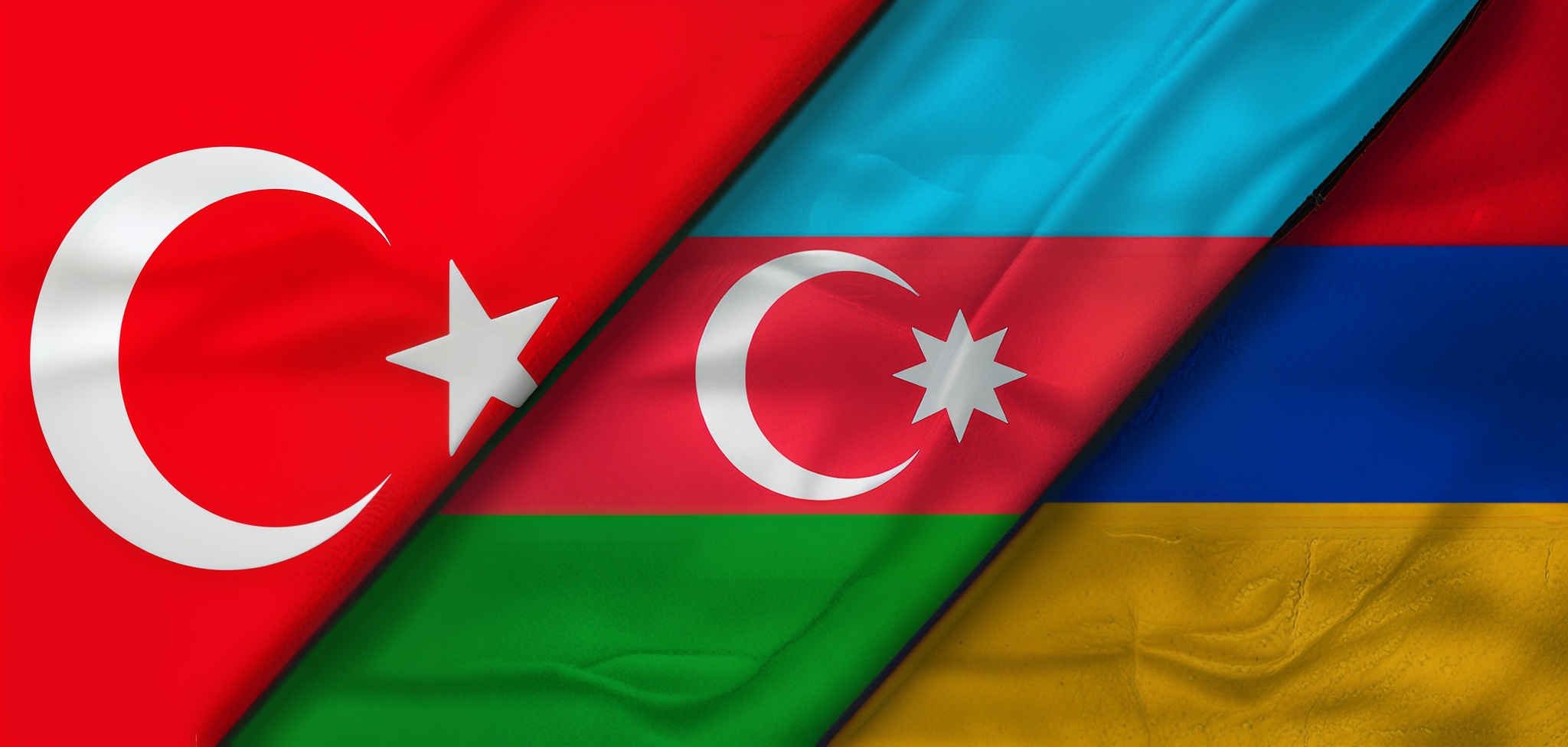
After more than three decades of silence, Ankara is reportedly accelerating efforts to reopen its sealed land border with Yerevan. With officials citing a six-month window for significant movement, this historic step promises to unlock crucial trade routes, but the final gateway remains conditionally linked to a lasting peace between Armenia and Azerbaijan.
Europe's Last 'Iron Curtain' Poised to Fall
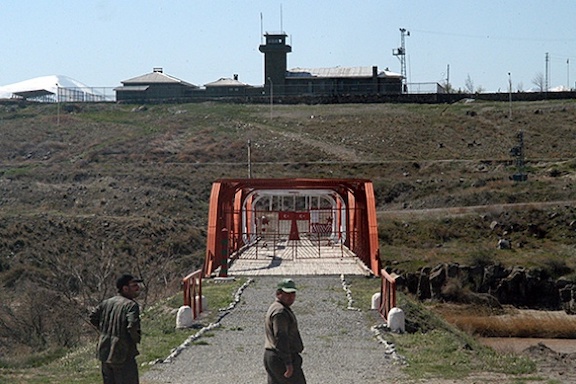
For nearly 32 years, the Armenia-Türkiye border—a 311-kilometer line stretching from Georgia to Azerbaijan's Nakhchivan exclave—has stood closed. Shut down in April 1993 as Türkiye aligned with Azerbaijan during the Nagorno-Karabakh conflict, the economic and transportation blockade turned this frontier into a geopolitical relic, sometimes described as the last remnant of the Cold War era's physical divisions.
Now, that status is set to change. Reports from sources familiar with the matter indicate that Türkiye is seriously considering reopening its land border with Armenia to full traffic, potentially within the next six months, marking the most dramatic step yet in the normalization process between the two nations.
The Six-Month Countdown and the Conditional Key
This accelerated timeline is a major diplomatic signal. The reopening of the Akyaka and Alican crossing points, which have remained dormant (except for a temporary humanitarian opening after the 2023 Türkiye-Syria earthquake), would be transformative for regional connectivity and trade.
However, the definitive timeline remains strategically nuanced. As Turkish Foreign Minister Hakan Fidan recently underscored, the goal of normalization—including the eventual appointment of Turkish and Armenian ambassadors—is contingent upon a final, formalized peace agreement between Armenia and Azerbaijan.
Fidan's position, echoed in recent parliamentary statements, maintains that prematurely restoring full diplomatic ties with Yerevan could remove a major incentive for Armenia to conclude the long-awaited peace deal with Baku, thus risking a persistent "frozen conflict" in the highly sensitive South Caucasus region. Ankara's stance makes it clear: the strategic future of the border is inextricably linked to regional stability.
© asbarez
Rail Lines and Road Maps: Progress on the Ground
Despite the diplomatic complexity, tangible, positive progress is evident on the ground.
The normalization process, overseen by special envoys—Ambassador Serdar Kılıç for Türkiye and Deputy Speaker Ruben Rubinyan for Armenia—has already entered the technical implementation phase. The two sides have been actively meeting, including a recent visit by negotiators to the Akyaka-Akhurik border crossing and talks held in the Armenian town of Gyumri.
The key infrastructural focus is the restoration of the long-inactive Kars-Gyumri railway line. Officials noted in recent discussions that the rehabilitation of the track is expected to take approximately five months, aligning closely with the reported six-month window for a border decision. Türkiye is also constructing new roads in the surrounding border region, suggesting that the preparatory work for secure and efficient reopening is well underway.
This dual focus on political conditions and infrastructure readiness points toward a future where the two countries can harness the economic benefits of increased connectivity, notably for energy transit and regional trade that bypasses older, more circuitous routes.
In sum, if the peace treaty between Yerevan and Baku is finalized, this border reopening stands ready to materialize—a diplomatic victory that promises to usher in a new era of stability and prosperity across the entire region.