
By Bosphorus News Geopolitics Desk
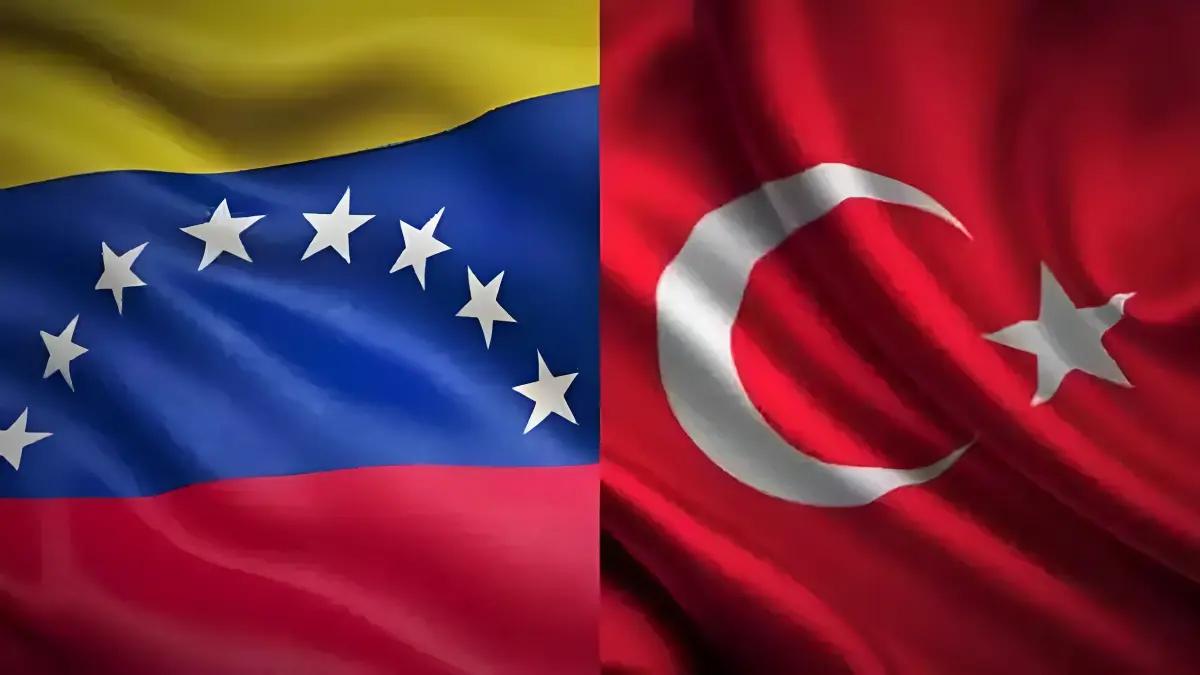
President Recep Tayyip Erdoğan met Venezuela's acting President Delcy Rodríguez in İstanbul on June 8, with trade, energy and mining at the center of a visit that followed Rodríguez's energy-focused trip to India.
The meeting took place at Dolmabahçe Palace and brought together a senior Turkish economic and diplomatic team, including Vice President Cevdet Yılmaz, Foreign Minister Hakan Fidan, Energy and Natural Resources Minister Alparslan Bayraktar, Industry and Technology Minister Mehmet Fatih Kacır and Trade Minister Ömer Bolat.
The composition of the Turkish delegation showed the focus of the talks. The meeting placed Venezuela's energy resources, mining sector and trade targets inside Türkiye's wider search for non-Western economic channels.
Anadolu Agency said Erdoğan told Rodríguez that Türkiye remains committed to advancing cooperation with Venezuela in trade, energy and mining. The Associated Press reported that bilateral trade reached $448 million in 2025, with both sides aiming to raise it to $3 billion.
The İstanbul meeting came days after Rodríguez visited India from June 3 to June 7. Reuters reported that the India visit focused on energy ties, with New Delhi increasing purchases of Venezuelan crude during a period of pressure on oil flows through the Strait of Hormuz.
That timing gives the Türkiye leg added weight. Venezuela is not only looking for diplomatic recognition or political messaging. Caracas is trying to widen its economic room through energy buyers, mining partners and trade routes outside the narrow Western sanctions frame that shaped much of the Maduro period.
Türkiye has kept a political channel with Venezuela through years of pressure on Caracas. Erdoğan and Maduro built close ties during previous phases of Venezuela's isolation, while Turkish companies and traders explored openings in gold, food, construction and energy-linked commerce.
Rodríguez's current role gives the visit a different character. She arrived in İstanbul as Venezuela's acting president at a time when Caracas is trying to stabilize state authority, rebuild energy exports and secure partners that can work with the country without treating it solely as a sanctions file.
The talks also fit Türkiye's foreign economic policy. Ankara has been expanding trade and energy conversations with countries outside its traditional Western markets, while keeping room for deals that connect diplomacy, resources and industrial cooperation.
Mining is likely to remain one of the sensitive areas. Venezuela holds major gold, iron ore, bauxite and other mineral resources, but the sector has long been linked to governance concerns, sanctions risk and environmental damage. Any deeper Türkiye-Venezuela mining channel would carry commercial potential and political caution at the same time.
Energy is the clearer strategic file. Venezuela has some of the world's largest oil reserves, while Türkiye is a major energy importer that has tried to diversify supply channels and build influence across different producer regions. The Hormuz pressure described in recent Reuters reporting gives Caracas another opening to present Venezuelan crude as part of a wider supply conversation.
The İstanbul meeting keeps that channel active as Caracas looks beyond the sanctions frame and Ankara tests where political access can become trade, energy and mining capacity. The $3 billion target gives the relationship an ambitious number; whether it can move beyond symbolism will depend on how far both sides can turn oil, minerals and industrial cooperation into transactions that survive political risk.