
By Bosphorus News Economy Desk
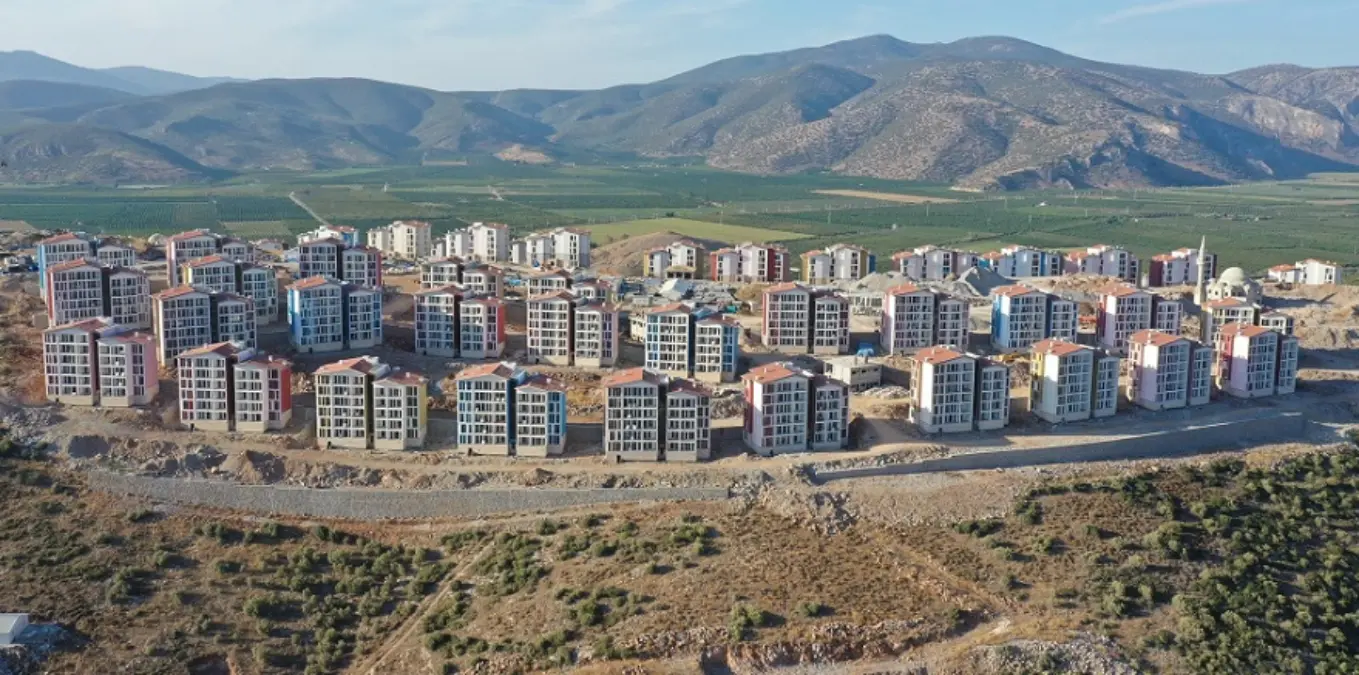
Housing became markedly less affordable in Türkiye between 2010 and 2023, despite more than one million affordable homes delivered by the country's Mass Housing Administration over two decades, according to the United Nations Human Settlements Programme.
Data in UN-Habitat's World Cities Report 2026 show that the median house price-to-income ratio rose from 5.6 to 12.6 during the period. The report's comparative housing finance indicator for Türkiye fell from 30 percent in 2010 to 17 percent in 2023.
The ratio compares the price of a median home with median annual household income. UN-Habitat considers a ratio above five severely unaffordable and a ratio of nine or more impossibly unaffordable. Türkiye moved from the report's severely unaffordable category in 2010 to its impossibly unaffordable category in 2023.
Türkiye's Mass Housing Administration, known as TOKİ, is cited as a leading example of public housing provision in Western Asia and Northern Africa. UN-Habitat says the agency built more than one million affordable homes using public land, cross-subsidies and long-term planning.
The two indicators show that construction on this scale did not prevent affordability from deteriorating. House prices moved further beyond household incomes, while access to housing finance narrowed.
UN-Habitat says affordability is determined by the interaction of house prices, incomes and the cost and availability of credit. Land administration, planning rules, construction costs, employment, interest rates, welfare policy and lending conditions also affect whether households can secure adequate housing.
Türkiye's experience sits within a wider decline in housing access. The global average house price-to-income ratio rose from 9.3 in 2010 to 11.2 in 2023. Nearly 96 percent of the countries covered by the report had housing markets classified as seriously, severely or impossibly unaffordable in 2023.
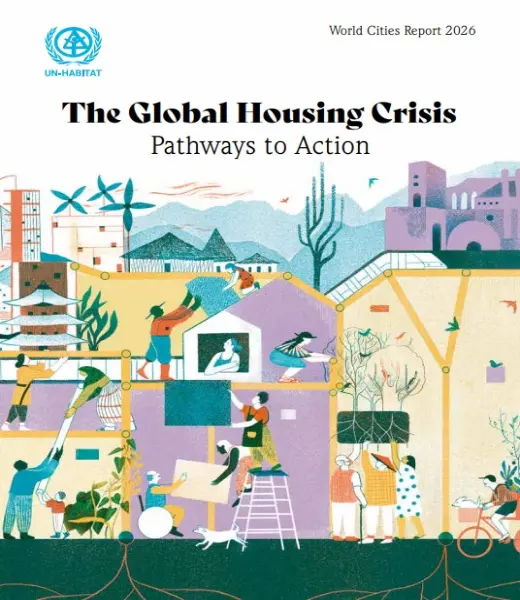
UN-Habitat estimates that up to 3.4 billion people worldwide lack secure, safe and adequate housing. More than 1.1 billion live in informal settlements or slums.
The global housing shortage increased from 251 million units in 2010 to 288 million in 2023. Limited serviced land, high construction costs and regulatory delays have restricted supply, while subsidised housing reaches only a fraction of the households that need it.
Rental pressure is also widespread. The report says 44 percent of tenant households spend more than 30 percent of their income on rent.
UN-Habitat divides the housing crisis into five connected problems: affordability, displacement, informal housing, climate risk and the failure to integrate homes with transport, employment and public services.
Its findings challenge policies that judge performance mainly by the number of homes completed. Additional supply may ease shortages, but units remain beyond reach when incomes lag behind prices, credit contracts, serviced land becomes more expensive or new developments are separated from jobs and transport.
The report also identifies the growing treatment of housing as an investment asset as a driver of rising costs. Speculative demand and poorly regulated capital can push prices beyond local incomes, while mortgage-centred systems exclude many households.
Only 25.5 percent of eligible housing loan applicants worldwide obtained financing in 2023. Türkiye's reported rate of 17 percent was below that global figure and lower than its own 2010 level.
UN-Habitat draws its comparative indicators from national statistical agencies, central banks, land registries and international housing databases. The report cautions that definitions and sources differ between countries. Its Türkiye figures should therefore be read within the comparative dataset rather than as substitutes for national statistical series.
The report calls for stronger public control over land policy, expanded social and rental housing, targeted finance for lower-income households, and closer coordination between housing, transport, employment and local services.
Türkiye's figures support the report's central finding: increasing the number of homes does not restore affordability when prices rise faster than incomes, access to finance narrows and new supply remains disconnected from affordable land, jobs and public services.
Sources: United Nations Human Settlements Programme, World Cities Report 2026, Bosphorus News review and reporting.