
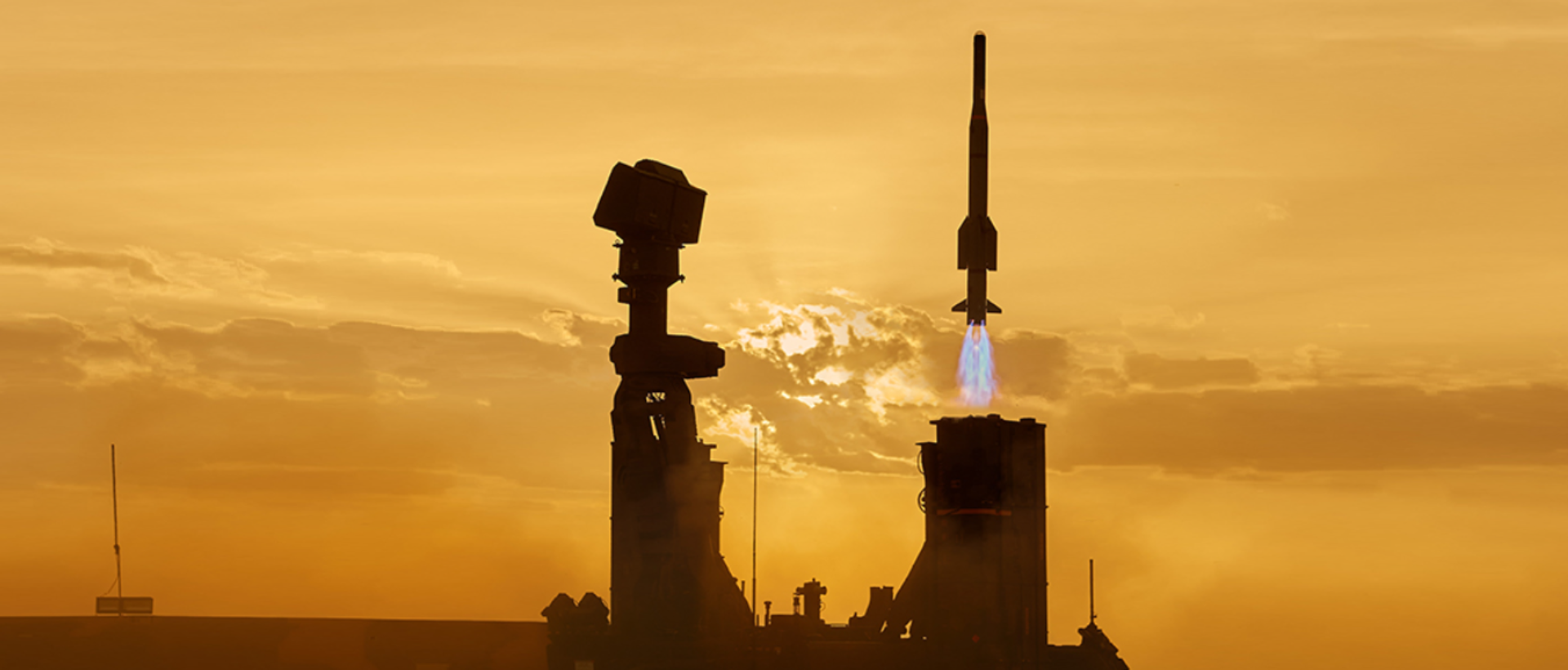
In a move cementing Türkiye's stature as a formidable global defense power, Ankara recently announced the signing of approximately $6.5 billion in new contracts. These agreements are earmarked for the rapid expansion and enhancement of the Çelik Kubbe (Steel Dome) integrated air and missile defense system.
This massive financial commitment, finalized under the coordination of the Presidency of Defense Industries (SSB), signifies an unprecedented investment in national security. It simultaneously represents the culmination of a decade-long national drive toward full defense industrial independence. Crucially, the Steel Dome is conceived not merely as a single weapon platform, but as a fully integrated, AI-driven defense network meticulously engineered to provide comprehensive, layered protection against every conceivable aerial threat.
The Architecture: A System of Systems
The Turkish government formally approved the Steel Dome project to synergize and integrate the diverse air defense assets developed by local giants like ASELSAN, ROKETSAN, TÜBİTAK SAGE, and MKE. The primary goal is to abandon fragmented systems procured from foreign vendors and establish a singular, nationally controlled, and adaptive defense ecosystem.
AI: The Brain of the Defense
What truly distinguishes the Çelik Kubbe is its sophisticated central nervous system: the HAKİM Airspace Management System. This command-and-control platform harnesses Artificial Intelligence (AI) and machine learning algorithms to fuse real-time data from an expansive, indigenous radar network, including the ALP long-range family.
The AI-enabled system performs several mission-critical functions:
- Predictive Threat Assessment: It analyzes incoming threat patterns exponentially faster than human operators can, facilitating proactive rather than purely reactive responses.
- Optimized Interception: It automatically allocates the most appropriate and cost-effective weapon (missile, gun, or electronic countermeasure) to the incoming threat, maximizing both efficiency and response time.
- Electronic Warfare Integration: It seamlessly links electronic warfare assets, such as the KORAL jamming systems, into the kinetic kill chain, allowing for the defeat of drones and missiles using non-kinetic methods when optimal.
Strategic Independence and Global Standing
President Recep Tayyip Erdoğan has characterized the Çelik Kubbe as a "turning point" in Türkiye's air defense capabilities. By developing the system exclusively with domestic resources, Türkiye strategically eliminates the historical risks of foreign embargoes, inherent software vulnerabilities, or diplomatic dependence that have long troubled its defense acquisitions (a clear reference to the friction following the procurement of the Russian S-400 system).
The $6.5 billion commitment is designed to dramatically accelerate the deployment of these indigenous assets, guaranteeing a layered shield that provides unparalleled national autonomy. Furthermore, the system's high-tech, NATO-compatible capabilities and relative cost-effectiveness are already drawing significant attention globally, with reports suggesting that other nations are evaluating the Steel Dome to bolster their own air defense deficiencies.
The expansion of the Çelik Kubbe signifies not merely a domestic technological victory but a powerful declaration of Türkiye's intent to establish itself as a strategic global supplier of cutting-edge, autonomous air defense technology in the 21st century.