
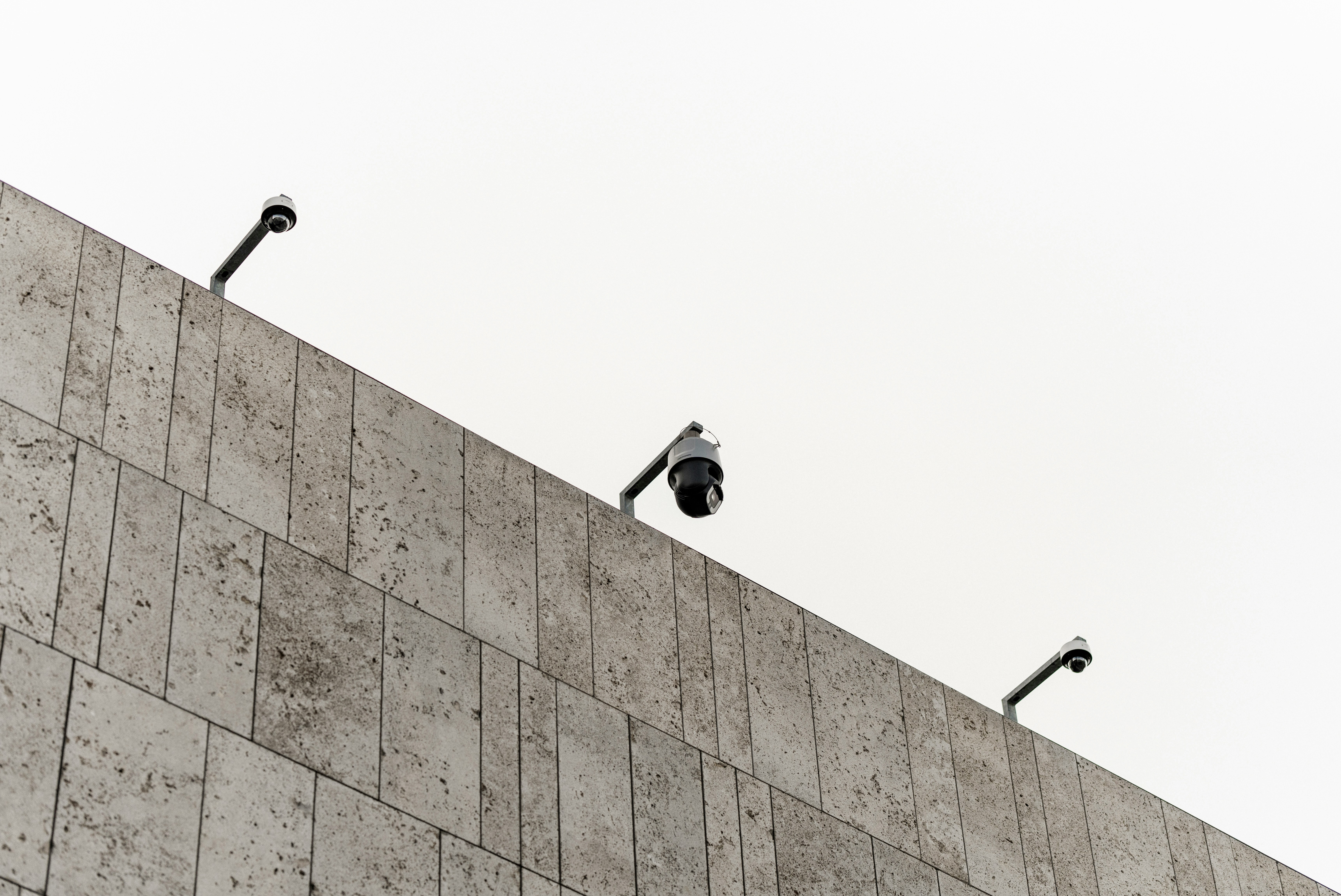
Ankara has decisively sealed a strategic portion of its southeastern frontier, unveiling a critical, high-tech security barrier along the Iraqi border. This immense project, centered on the volatile mountainous terrain of Hakkari, represents the newest physical commitment by Türkiye to permanently end the threat of terrorist infiltration and smuggling emanating from Northern Iraq.
The newly reinforced zone features a completed 2,152-meter modular concrete wall in the Derecik district's Anadağ village, backed by a formidable 10-kilometer system of excavated trenches. This layered fortification is designed to decisively shut down the notorious supply routes used by terrorist groups, particularly the PKK (Kurdistan Workers' Party), which remains entrenched in the region.
Layered Defense: Walls, Ditches, and Digital Eyes
The security infrastructure deployed is far more comprehensive than a simple fence. It combines physical deterrents with cutting-edge digital surveillance, transforming the border into a restricted, monitored zone.
The Physical Layer:
- Modular Concrete Wall: Stretching over two kilometers, the wall provides immediate deterrence against breaches.
- Deep Trench System: Running for 10 kilometers, the accompanying trenches are engineered to be 7 meters deep and 7 meters wide, creating a secondary, near-impassable artificial barrier. This is critical in the rugged terrain where traditional patrols face challenges.
- Restricted Access: The area, particularly around the Hacıbey Stream which marks the boundary, is officially designated as a First-Degree Military Restricted Zone.
The Technological Layer:
Military units overseeing the new barrier are relying on an integrated surveillance network to ensure no gap remains unmonitored. This includes:
- Smart Observation Towers: High-tech facilities equipped with advanced electro-optic systems.
- Thermal and Panoramic Cameras: These systems, integrated into the wall structure, provide 24/7 monitoring capabilities. They are capable of detecting human movement from several kilometers away, feeding real-time data into centralized monitoring hubs.
- Acoustic Sensors: These sensors can detect subtle vibrations and movements along the physical wall and ground, providing early warning against potential breach attempts.
The commander of the 1st Border Battalion stationed in the area confirmed that the combined system has proven highly effective in deterring illicit activity, stating that the surveillance systems are fully integrated and monitored round-the-clock.
Context: Reinforcing Resolve Amidst Shifting Regional Dynamics
This heightened border security effort coincides with Ankara's recent push for stronger anti-terrorism cooperation with Baghdad. For years, the mountainous region of Northern Iraq has been exploited by the PKK as a launching pad for attacks into Türkiye.
While diplomatic engagement between Ankara and Baghdad has increased—including discussions around a framework for counter-terrorism and the potential disarmament of the PKK—the construction of this barrier signifies Türkiye's unwavering commitment to securing its territory unilaterally. The wall is a tangible guarantee against infiltration, even as the complex security situation in Northern Iraq evolves. Reports from outlets like Rudaw have highlighted the fluid nature of security in the region, including instances where the PKK has claimed to relocate fighters to avoid Turkish military actions. This underscores the need for physical control, independent of political shifts across the border.
By completing this critical section in Hakkari, Türkiye has established a decisive physical defense, prioritizing national security against cross-border threats, illegal migration, and smuggling, thereby transforming a notoriously porous segment of the Iraqi border into a robust, high-security frontier.