
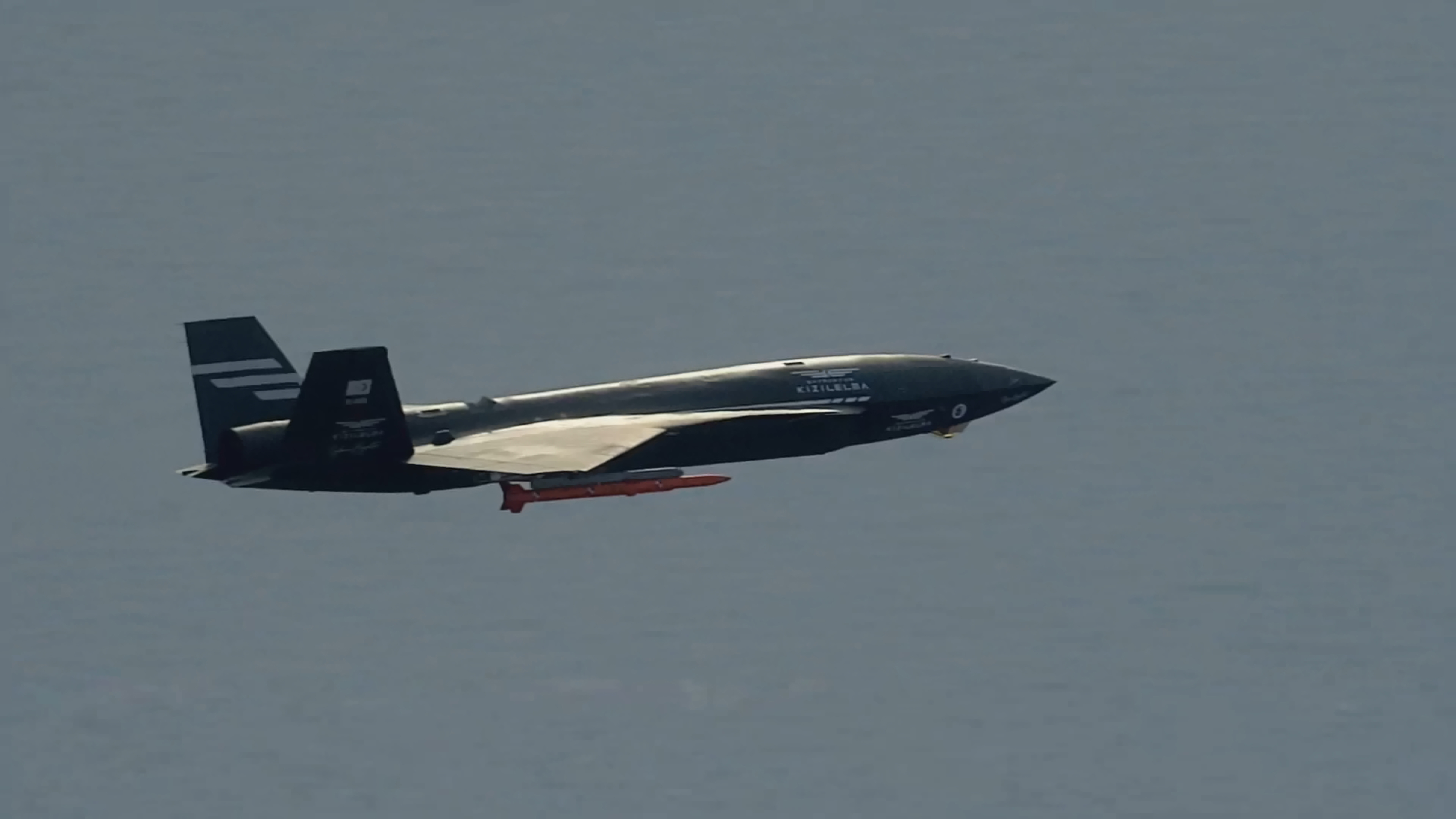
Türkiye has consolidated its position as a rising player in the global defense industry, ranking 11th worldwide in arms exports, according to independent international data and official export figures highlighted by Turkish authorities.
The assessment aligns with findings from the Stockholm International Peace Research Institute (SIPRI), whose latest arms transfers data show that Türkiye's share of global arms exports more than doubled over the most recent five-year reporting period. SIPRI's figures place Türkiye just outside the world's top ten exporters, reflecting a rapid expansion of its defense-industrial footprint.
Verified Rankings and Export Performance
SIPRI data indicate that Türkiye accounted for roughly 1.7 percent of global arms exports in the 2020–2024 period, a significant increase compared with the previous five-year cycle. The institute reported that Turkish arms exports grew by more than 100 percent over that timeframe, one of the fastest growth rates among major suppliers.
This international ranking corresponds with Türkiye's own export statistics. Turkish officials say defense and aerospace exports have reached record levels in recent years, surpassing $7 billion annually, driven by overseas demand for air, land, and naval systems as well as unmanned platforms.
President Recep Tayyip Erdoğan has cited the 11th-place ranking as evidence of Türkiye's growing technological capacity and its shift from a largely import-dependent defense posture to a more export-oriented and production-driven model.
Industrial Capacity and Market Reach
Türkiye's export growth has been supported by a broadening industrial base. SIPRI's separate ranking of the world's largest arms-producing companies includes multiple Turkish firms, underscoring the sector's increasing scale and competitiveness.
Analysts note that Türkiye's defense exports span a wide range of systems, from unmanned aerial vehicles and armored vehicles to naval platforms, electronics, and subsystems compatible with NATO standards. This diversity has helped Turkish manufacturers access markets across multiple regions rather than relying on a narrow customer base.
Strategic Rationale Behind Export Growth
Officials in Ankara frame the export performance as part of a long-term strategy to strengthen strategic autonomy while remaining integrated into allied defense ecosystems. Export growth is also seen as a means of sustaining domestic research, development, and production capacity in a sector characterized by high costs and long investment cycles.
Independent observers caution that global rankings are inherently fluid and depend on methodology and reporting periods. Nevertheless, SIPRI's data provide external validation that Türkiye's defense industry expansion is not limited to official rhetoric but is reflected in measurable international trends.
Outlook and Policy Direction
Turkish authorities have signaled ambitions to move further up the global rankings in the coming years, emphasizing higher value-added exports and deeper technological cooperation with international partners.
For now, the combination of record export figures and independent verification places Türkiye firmly among the world's leading defense exporters—no longer a peripheral supplier, but an increasingly influential actor in the global arms market.