
By Bosphorus News Geopolitics Desk
NATO activity around the Black Sea is moving beyond routine rotation. Romania is growing as an air hub, naval coordination is tightening at sea, and Baltic air policing is pulling Türkiye deeper into the alliance's eastern flank. The separate tracks now point to a harder NATO posture running from the Black Sea to the Baltics.
Romania's Mihail Kogălniceanu air base sits at the center of the air layer. Expanded US and NATO use of the base gives the alliance a stronger platform for tanker aircraft, surveillance missions and forward air operations near the Black Sea. The shift matters because it gives NATO persistence without relying only on naval access.
The naval layer is also becoming more structured. Sea Shield 2026 showed the scale of allied maritime coordination in the Black Sea, while Türkiye's command of the multinational Black Sea mine countermeasures group gives Ankara a direct role in regional maritime security, as detailed in Bosphorus News reporting.
This balance is shaped by Montreux. The convention limits the presence of non-littoral naval forces in the Black Sea, so NATO's room for manoeuvre at sea remains bounded. Air power offers a different route. Romania's bases give the alliance greater continuity around the Black Sea without testing the legal limits that govern naval deployments.
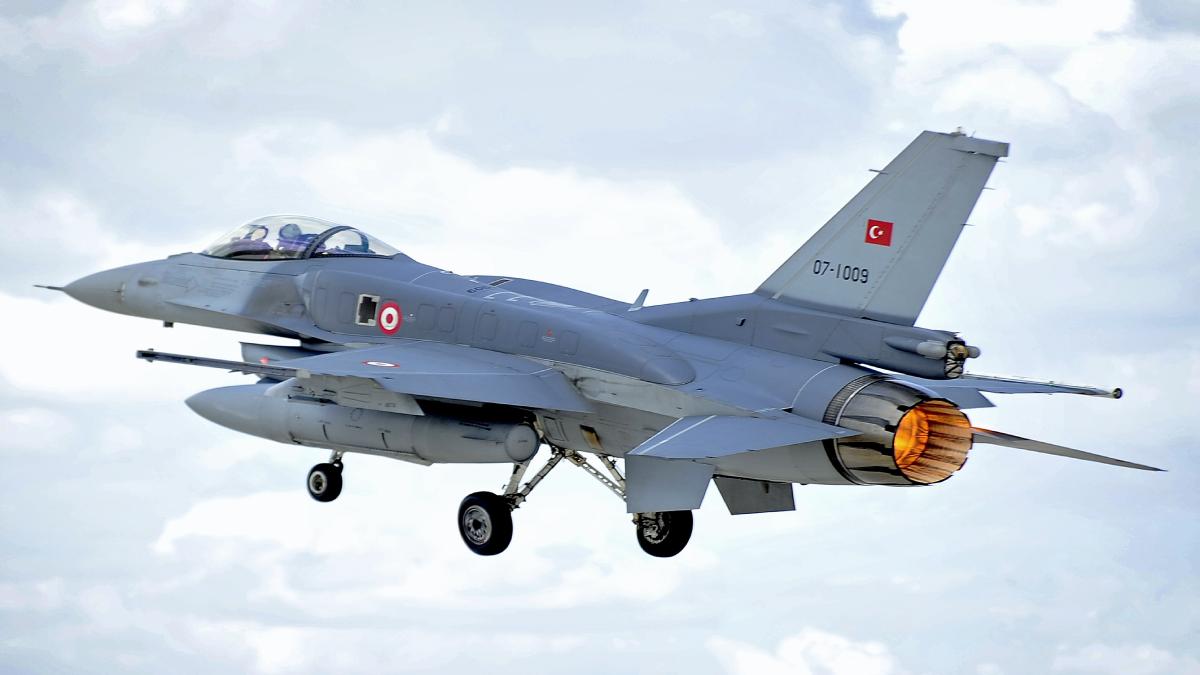
The northern layer matters as well. In the Baltics, air policing has long been central to NATO deterrence. Türkiye's role there has grown through alliance requests for Turkish F-16 deployments, as reported by Bosphorus News. That places Ankara across both ends of the eastern flank, not only in its own neighbourhood.
For Türkiye, the picture is double-edged. Ankara remains a core NATO actor through the Black Sea, the Baltics and allied air operations, while its own defence posture has been consolidating at home and coordinating abroad, as Bosphorus News previously outlined. But the growth of Romania and other forward hubs also spreads operational weight away from Türkiye alone.
The emerging NATO posture is therefore more durable than a crisis deployment. It rests on Romanian air infrastructure, Turkish maritime command in the Black Sea and Baltic air policing further north. Türkiye remains inside the core of the system, but the eastern flank is no longer anchored by one geography. It is becoming a chain of air and naval positions built for sustained pressure.