
Bosphorus News Geopolitics Desk
Israel's latest escalation in Lebanon is pushing the northern front back into the wider Eastern Mediterranean security map, with Cyprus again exposed as a nearby evacuation, logistics and base-politics node rather than a direct combat actor.
The immediate trigger was the new Israeli wave of strikes on Lebanon on May 25 and 26. Associated Press reported that an Israeli strike on Mashghara in the Bekaa Valley killed 12 people, while Israel said it had targeted Hezbollah infrastructure in the area. Israeli Prime Minister Benjamin Netanyahu also signalled a tougher campaign against Hezbollah, and AP reported that Israel was deploying an additional battalion to the Lebanon front.
The escalation came only days before a scheduled Washington track involving Israeli and Lebanese military representatives. Reuters has reported that Israel and Lebanon agreed on May 15 to extend a US-mediated ceasefire arrangement by 45 days, with security and military talks expected at the Pentagon on May 29 and foreign ministry-level discussions planned for June 2 and 3.
That timing gives the latest escalation a sharper diplomatic edge. It is not yet clear if Israel is raising pressure ahead of the Washington meetings or preparing for a wider military phase. The distinction matters because the Lebanon front is no longer limited to border fire, symbolic strikes or sporadic retaliation. The combination of Bekaa attacks, southern Lebanon operations and Israeli troop movement has widened the operational map.
Hezbollah's drone campaign is part of that shift. Israeli security-focused research group Alma Research Center has reported that Hezbollah has fired more than 80 explosive drones since the April 17 ceasefire, with about 15 hitting targets. The group said the attacks killed four soldiers and one civilian and wounded dozens of soldiers. AP also reported that Netanyahu referred to special Israeli efforts to counter Hezbollah's fiber-optic drone threat.
The fiber-optic FPV drone factor is important because it makes the Lebanon front harder to contain through conventional electronic warfare. These systems, adapted from battlefield lessons in Ukraine, are guided through physical fiber-optic links rather than GPS-dependent control, making them more difficult to jam. That gives Hezbollah a tactical tool that can keep pressure on Israeli forward positions even when air superiority remains firmly with Israel.
The political language inside Israel is also moving in a harder direction. Finance Minister Bezalel Smotrich and National Security Minister Itamar Ben Gvir have both pushed for a far more punishing line against Lebanon and Hezbollah. Their statements do not define operational policy by themselves, but they show the domestic pressure Netanyahu faces as the Washington track approaches.
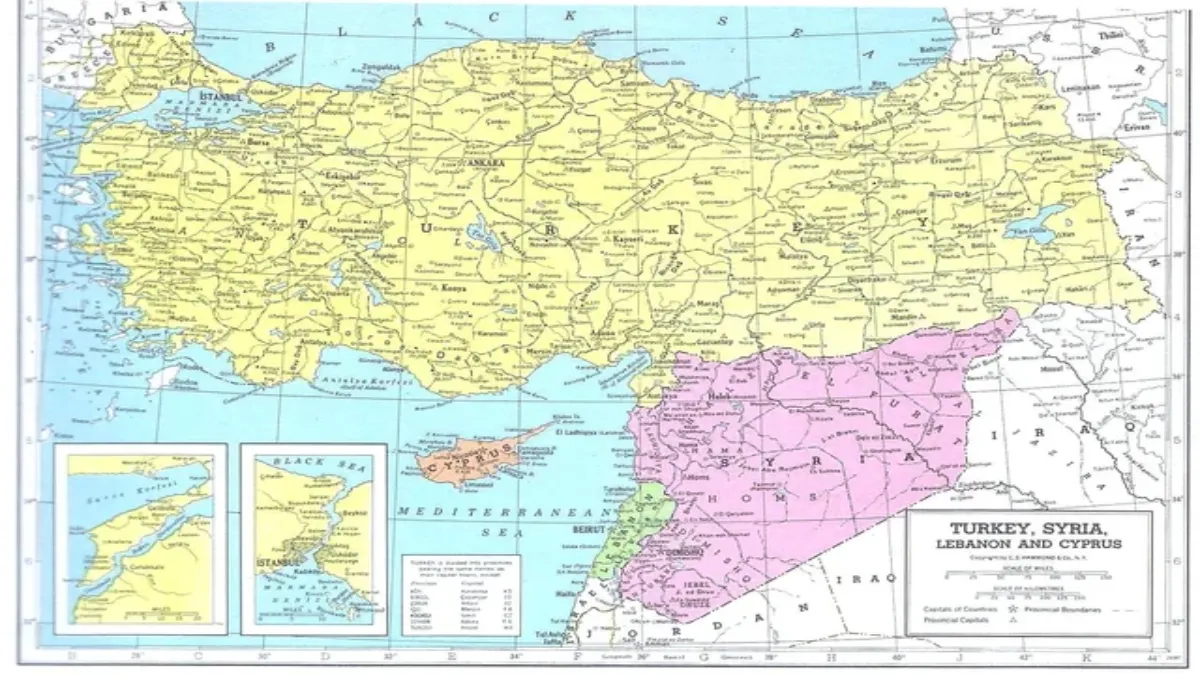
For Cyprus, the risk is logistical and political before it is military. The island sits close enough to Lebanon to become a natural evacuation and transit point in any wider crisis, especially through Larnaca and the Republic of Cyprus's ESTIA plan, the national mechanism designed to receive and repatriate foreign nationals from crisis zones.
This role is not theoretical. Cyprus has already been used as a staging point in previous Lebanon-related evacuation planning, and its proximity makes it one of the first regional hubs to come under pressure when fighting expands. A wider Israel-Hezbollah confrontation would test airport capacity, port access, coordination with foreign governments and the political management of emergency operations.
The British sovereign bases add a second layer. RAF Akrotiri was hit on March 2 by a suspected Iranian-made drone, causing limited damage and no casualties. Reuters reported at the time that British and Cypriot officials believed the drone may have been launched from Lebanon by Hezbollah. That incident showed why Cyprus's military geography becomes sensitive whenever the Lebanon front and Iran-linked networks widen.
Cyprus has tried to draw a clear line between humanitarian support and military involvement. That distinction will become harder to defend politically if Israeli operations in Lebanon expand, Hezbollah retains drone and rocket capacity and foreign military infrastructure on the island remains visible during a regional crisis.
Bosphorus News has previously detailed how US-linked military infrastructure and EUCOM-related access have increased scrutiny of Cyprus's role in regional security planning. The latest Lebanon escalation brings that question back into view because evacuation routes, base politics and emergency support networks would all converge on the island if the northern front moves into a larger phase.
The Cyprus election aftermath adds a domestic political layer. ELAM's rise in the new parliament and the fragmentation caused by new anti-establishment parties narrow President Nikos Christodoulides's room for manoeuvre on sensitive security questions. Any renewed use of Cyprus as a crisis logistics node would now unfold in a more contested political chamber.
The Lebanon front is therefore becoming an Eastern Mediterranean issue again. Israel's strikes are taking place on Lebanese territory, but the consequences extend through Washington diplomacy, Hezbollah's drone adaptation, British base politics, Cyprus's evacuation role and the region's wider emergency architecture. If the May 29 talks fail to contain the escalation, Nicosia will not be judged by combat decisions. It will be judged by how it manages proximity, logistics and political exposure.