
By Bosphorus News Geopolitics Desk
From Initial Flow to Tightened Controls
When the United States and Israel launched strikes on Iran on 28 February 2026, Türkiye moved within hours. Trade Minister Ömer Bolat said passenger crossings at all three border gates along the 500-kilometre frontier were suspended the same day, while commercial cargo would continue under controlled procedures.
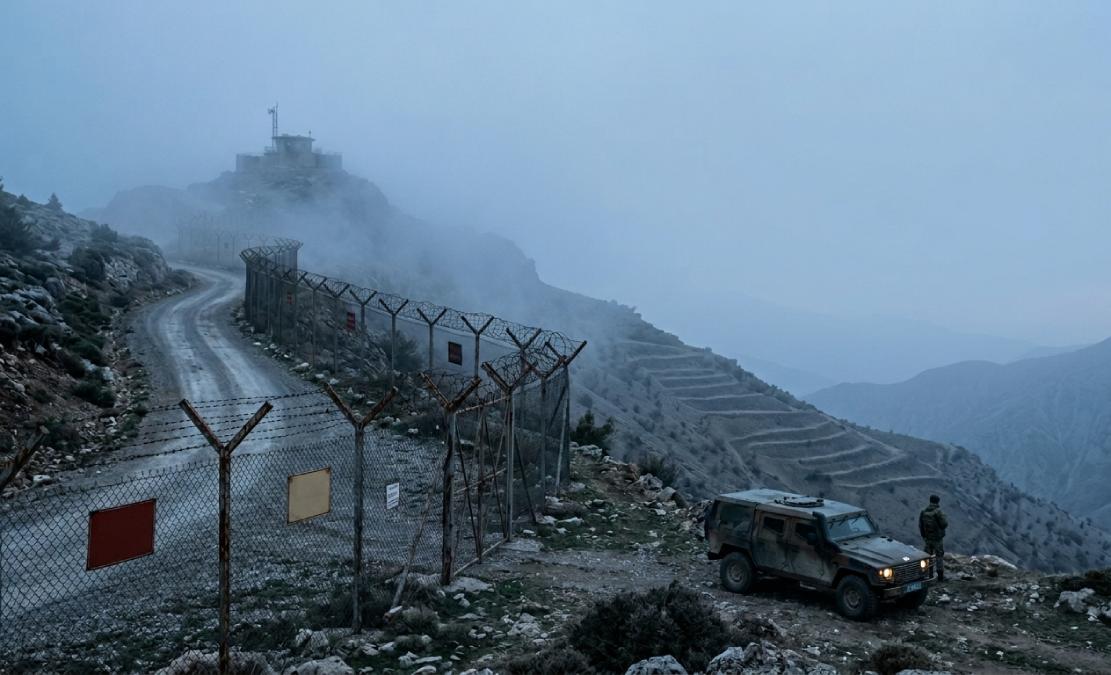
The Kapıköy crossing in Van province and the Gürbulak gate in Ağrı became the main land routes for movement out of Iran after Iranian airspace shut down. Interior Minister Mustafa Çiftçi said that on 5 March, 2,032 travellers entered Türkiye from Iran while 1,966 departed. Tent camps and buffer zones were also prepared for a possible mass influx, but they were not activated.
Iran Begins Restricting Departures
By mid-March, border traffic had shifted. Çiftçi said Iran had begun restricting its own citizens from crossing into Türkiye. Iranian nationals entering Türkiye fell by 25 to 30 percent, while the number of Iranians returning home from Türkiye increased.
Tehran has not publicly explained the restriction. Whether the move reflects internal security concerns, an effort to prevent population flight or wider wartime operational calculations remains unclear.
Çiftçi visited Gürbulak on 25 March and inspected contingency measures with the Doğubayazıt district governor. "I can clearly state that all planning and precautions have been taken here. There is no problem at the moment," he said. Türkiye currently hosts more than 74,000 Iranians with residence permits and about 5,000 registered refugees.
Why the Border Matters
Ankara has framed the border issue as a matter of security, migration management and economic stability. The immediate concern is the pressure a prolonged conflict could generate along the 500-kilometre frontier, from new migration flows to possible security spillovers.
A Bosphorus News analysis published on 1 March, The Cost of Chaos: Türkiye's Rational Line on the Iran Conflict, identified three main pressure points for Türkiye: migration risk, PKK-linked network activity and disruption to energy supplies. A separate Bosphorus News analysis examined how a prolonged conflict could also reshape Ankara's wider strategic environment.
The Syrian war left Türkiye carrying more than four million displaced people. A crisis inside Iran could also reactivate secondary migration routes linked to the Afghanistan corridor, adding pressure to the eastern border. Türkiye also imports roughly 13 percent of its natural gas from Iran, meaning any sustained disruption would add to inflation already running above 30 percent annually.
Possible US Ground Operations Raise New Risks
The Washington Post reported on 28 March that the Pentagon is preparing contingency plans for weeks of ground operations in Iran, potentially including raids on Kharg Island and sites near the Strait of Hormuz. President Donald Trump has not issued an approval order.
Bosphorus News also reported that Iran had ordered its armed forces to prepare for a potential US ground incursion.
Any ground campaign inside Iran would likely increase displacement pressures and complicate security management along Türkiye's eastern frontier, where Ankara has been preparing contingency measures since 28 February. Iran's restrictions on outbound crossings may have reduced immediate flow for now, but Turkish officials are still planning for a wider escalation scenario.