
By Bosphorus News Geopolitics Desk
Germany placed Türkiye's role in European security, Ukraine and Iran inside a wider defence-policy frame on Monday, saying Ankara should be considered as the European Union develops defence and industrial instruments.
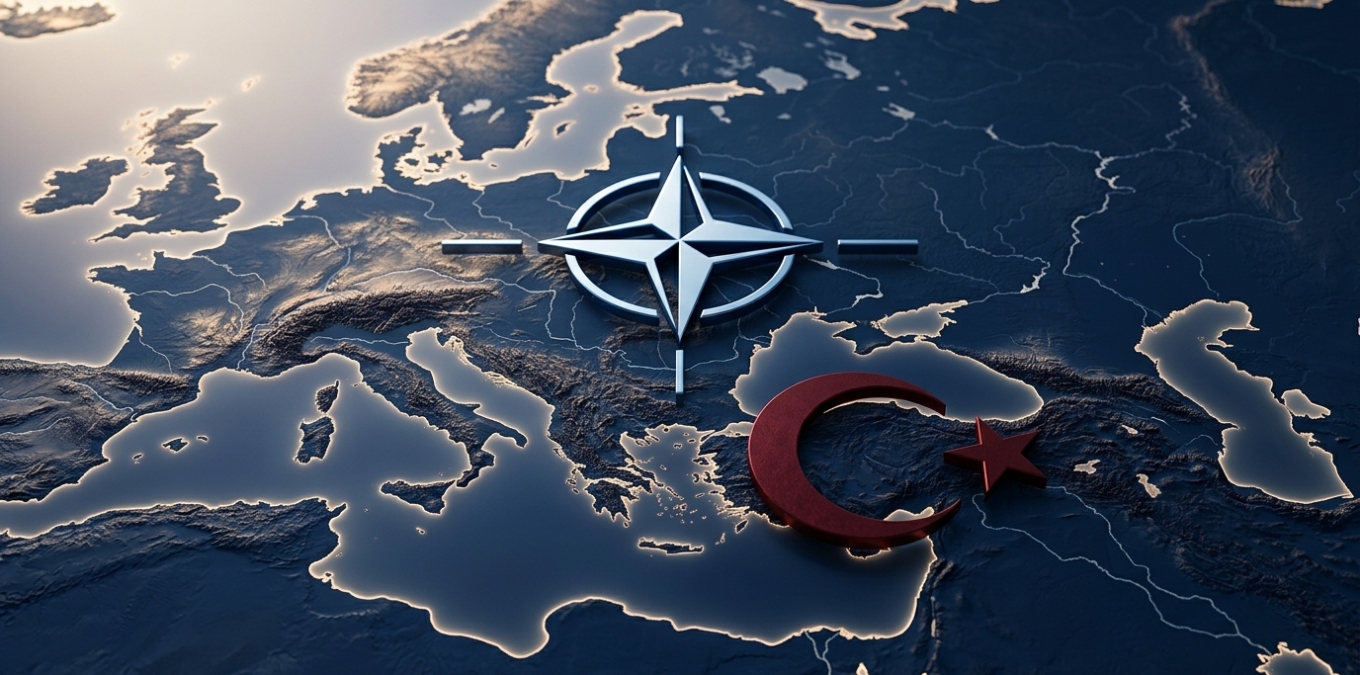
The remarks came during Foreign Minister Hakan Fidan's visit to Berlin, where he co-chaired the third meeting of the Türkiye-Germany Strategic Dialogue Mechanism with German Foreign Minister Johann Wadephul. They also came days before NATO foreign ministers gather in Helsingborg, Sweden, for a meeting that will feed into preparations for the July NATO Summit in Türkiye.
Wadephul said Türkiye had the potential to exert influence over the wars in Ukraine and Iran, pointing not only to geography but also to Ankara's political and economic weight.
"Turkey has the potential to exert considerable influence on these trouble spots, not only because of its geographical proximity, but also because of its enormous political and economic significance," Wadephul said, according to Reuters.
The German minister also backed stronger strategic ties between the EU and Türkiye and said Berlin supported taking Türkiye into account as the EU develops its defence and industrial policy tools.
Berlin Puts Türkiye Inside Europe's Defence Debate
Türkiye's Foreign Ministry said the strategic dialogue meeting in Berlin included four working groups covering bilateral relations, Türkiye-EU relations, security and defence, and regional issues.
Fidan was also received by German Chancellor Friedrich Merz and held a separate meeting with Wadephul before the two ministers spoke at a joint press conference.
The Berlin format gave Ankara a platform to press several files at once: the stalled EU accession process, customs union modernisation, visa liberalisation, Schengen difficulties, defence industry cooperation and Türkiye's role in European security.
Fidan said Türkiye expected its EU membership process to be kept free from political blockages. He also argued that the Turkish Armed Forces' operational experience could contribute to Europe's security if assessed in a principled and constructive way.
That message lands in a European defence debate already shaped by Ukraine, the Iran war, pressure on industrial capacity and the EU's search for partners able to contribute beyond paper commitments.
Ukraine and Iran Shape the German Message
Wadephul's comments moved beyond routine bilateral language. By naming Ukraine and Iran together, he placed Türkiye in two of Europe's most sensitive security files.
Türkiye has maintained channels with both Russia and Ukraine since the full-scale war began in 2022 and has repeatedly offered to host talks. Ankara has also been warning that a renewed escalation in the Iran war would carry global consequences, with direct effects on energy, migration, regional security and European stability.
That makes Berlin's message significant. Germany was not only acknowledging Türkiye's geography. It was pointing to Ankara's diplomatic access, economic scale, NATO role and position between the Black Sea, the Middle East and Europe.
The same logic was visible in recent NATO-related diplomacy, where Türkiye's infrastructure and alliance logistics role have already entered the Ankara Summit build-up. Bosphorus News detailed that wider layer in its report on Türkiye's NATO fuel pipeline role before the Ankara Summit.
Helsingborg Links Berlin to Ankara
NATO foreign ministers will meet in Helsingborg on 21-22 May. NATO's official programme includes a reception and informal dinner for members of the NATO-Ukraine Council on 21 May, followed by ministerial doorstep remarks and a North Atlantic Council session at foreign minister level on 22 May.
Sweden's government said the Helsingborg meeting will be the first NATO ministerial-level meeting hosted by Sweden since it joined the Alliance. Swedish Foreign Minister Maria Malmer Stenergard has described the meeting as part of the preparation for the July NATO Summit in Ankara, with defence spending and Ukraine support among the central files.
That sequence gives the Berlin meeting added weight. Fidan's talks in Germany came just before NATO ministers move into the Helsingborg format, and less than two months before leaders gather in Türkiye.
The Ankara Summit agenda is already widening beyond Ukraine and defence spending toward southern flank security, the Iran war and Gulf-linked risks. Bosphorus News examined that broader track in its coverage of NATO's Ankara Summit agenda and the Gulf security file.
Defence Industry Layer
The defence industry layer remains active behind the diplomatic language. Türkiye has pressed for a more serious place in European defence planning, while Germany's position matters because of Eurofighter discussions, industrial cooperation and the EU's internal debate over how far to include non-EU NATO allies in defence tools.
The Berlin meeting also comes as European governments look for faster production, larger stockpiles and stronger air defence capacity. Türkiye's drone sector, munitions capacity, operational experience and NATO geography give Ankara leverage in that debate, even as its EU accession file remains politically blocked.
Germany's message does not erase those constraints. It shows that Berlin now sees Türkiye's role in European security as too important to leave outside the defence-industrial conversation.
The next test will come in Helsingborg, where NATO ministers will begin shaping the political ground for Ankara. By the time leaders arrive in Türkiye in July, the question will no longer be confined to Ukraine support or spending targets. It will also be how far the Alliance and Europe are ready to use Türkiye's position, capacity and access in a security environment running from the Black Sea to Iran and the Gulf.
***Sources: Republic of Türkiye Ministry of Foreign Affairs, Reuters, NATO, Government Offices of Sweden.