
By Bosphorus News Geopolitics Desk
Türkiye is preparing to host NATO leaders in July with a summit agenda that is already moving beyond the formal routines of alliance diplomacy. Gulf security, Iran war risks, defence production and the future of the Türkiye-US track are now converging around Ankara, giving the meeting a sharper southern-flank character before leaders arrive at Beştepe.
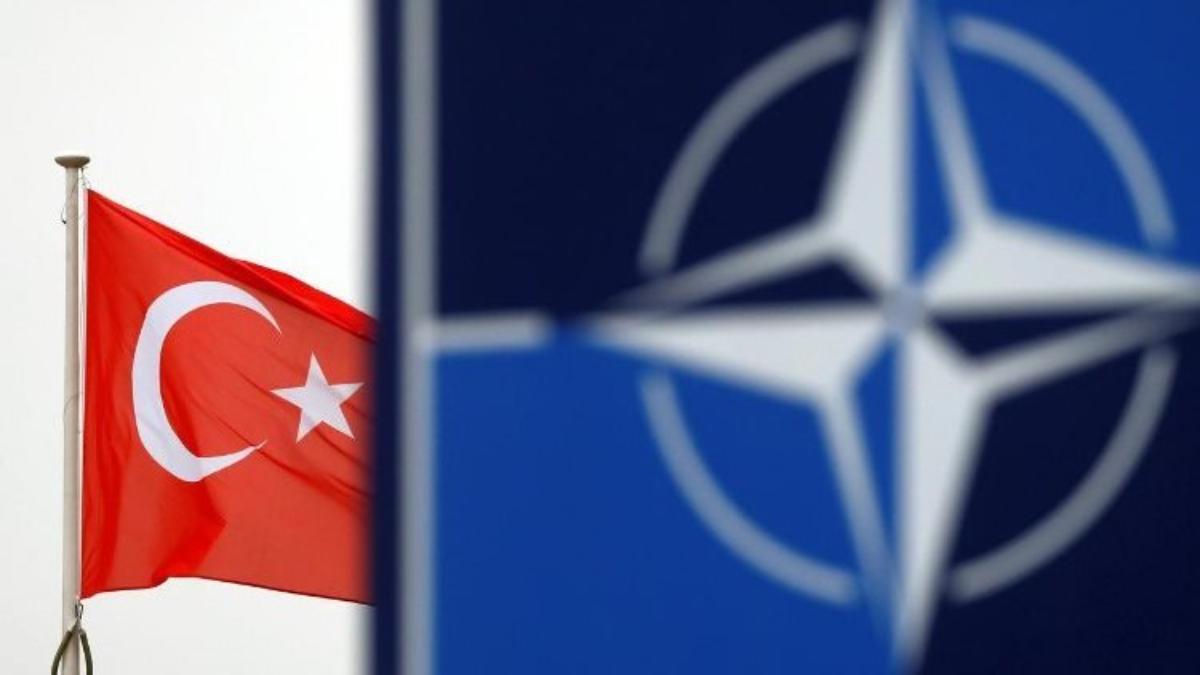
NATO has confirmed that the summit will take place on July 7 and 8, 2026, at the Presidential Complex in Ankara. The meeting will be chaired by NATO Secretary General Mark Rutte and hosted by President Recep Tayyip Erdoğan, placing Türkiye at the centre of an alliance debate shaped by Ukraine, burden-sharing, the Middle East and pressure on NATO's southern flank.
Turkish officials are framing the summit as a larger strategic moment. Türkiye's Communications Director Burhanettin Duran described the Ankara meeting as a critical threshold for the global security architecture and said it would not be merely a diplomatic gathering. The message reflects Ankara's effort to present the summit as a venue where NATO confronts a security environment no longer defined only by conventional military threats.
Erdoğan made the same point while speaking to reporters on his return from Kazakhstan, saying the Ankara summit would be a critical meeting in NATO history and that important decisions were expected. "The world is no longer the continuation of the world in which NATO was founded," Erdoğan said, according to Anadolu Agency and Ukrainian state media.
The southern-flank logic has been building for months. Bosphorus News reported earlier that Türkiye's 2026 NATO summit could bring Arab leaders into the alliance's wider regional debate, before Bloomberg reported that Bahrain, Kuwait, Qatar and the United Arab Emirates may be invited to Ankara.
Bloomberg reported on May 13, citing people familiar with the matter, that NATO is planning to invite representatives from the four Gulf states to the Ankara summit. The countries are members of NATO's Istanbul Cooperation Initiative. NATO has not officially confirmed the reported invitations, and its press office declined to comment to Bloomberg.
The report matters because Gulf security is already inside NATO's working agenda. NATO said in March that allies and Gulf partners had discussed the security situation in the Middle East with representatives from Bahrain, Kuwait, Qatar and the United Arab Emirates. The talks focused on regional security, Iran's actions and closer political dialogue with Gulf partners.
That official background gives the Ankara summit a broader strategic frame. If Gulf representatives attend, the meeting would bring NATO's southern flank closer to Iran, Hormuz, energy security and Gulf defence partnerships. Ankara would host that discussion while trying to convert geography, military capacity and diplomacy into greater influence inside the alliance.
The Türkiye-US layer remains sensitive. A Trump-Erdoğan bilateral meeting has not been officially announced. Foreign Minister Hakan Fidan said in September 2025 that Erdoğan had invited Trump to Ankara both for a bilateral visit and in the framework of the NATO summit. Turkish media have reported that preparations are being discussed, but no official programme has been published.
The summit will carry a Türkiye-US dimension even without a confirmed bilateral meeting. Washington's pressure on European allies to spend more on defence, the F-35 file, Iran, Gulf security and Türkiye's defence industry all sit behind the Ankara agenda. A confirmed Trump-Erdoğan meeting would sharpen that layer, but the summit's weight does not depend on a single bilateral slot.
Rutte's April visit to Türkiye added the defence industrial track. NATO said the secretary general met Erdoğan in Ankara, discussed preparations for the summit and visited the ASELSAN Technology Base. The official readout said Rutte underlined the importance of defence industry and described Türkiye as going through a defence industrial revolution. He also said allies must produce, innovate and buy together.
That message fits Türkiye's own defence calendar. Ankara is pushing domestic platforms, export capacity and allied production links at the same time. KAAN, Türkiye's fifth-generation fighter programme, has already entered the NATO capability debate after the first production contract and Spain's reported interest, as Bosphorus News reported in its coverage of the Türkiye-Spain defence channel.
The next step comes before Ankara. NATO foreign ministers are due to meet in Helsingborg, Sweden, on May 21 and 22, with defence spending, defence production and support for Ukraine on the agenda. Those themes will feed into the July leaders' meeting, where Ankara will host a broader argument over what NATO expects from its members and where the alliance's southern exposure now begins.
Türkiye's position gives the summit its sharper edge. The country sits inside NATO's military structure, controls access between the Mediterranean and the Black Sea through the Turkish Straits, borders the Middle East, maintains working channels with Gulf states and has built a defence industry that NATO now treats as part of the alliance's production answer.
The Ankara summit will arrive with several unresolved files already on the table: burden-sharing, Ukraine, Iran, Hormuz, Gulf partnerships, F-35, defence production and the Türkiye-US channel. That is why the meeting is becoming more than a summit hosted in Türkiye. It is turning into a test of how much of NATO's southern agenda can now be pulled through Ankara.
***Sources: NATO, Turkish Presidency Communications Directorate, Anadolu Agency, Bloomberg, Ukrainian state media, Bosphorus News.