
By Bosphorus News Geopolitics Desk
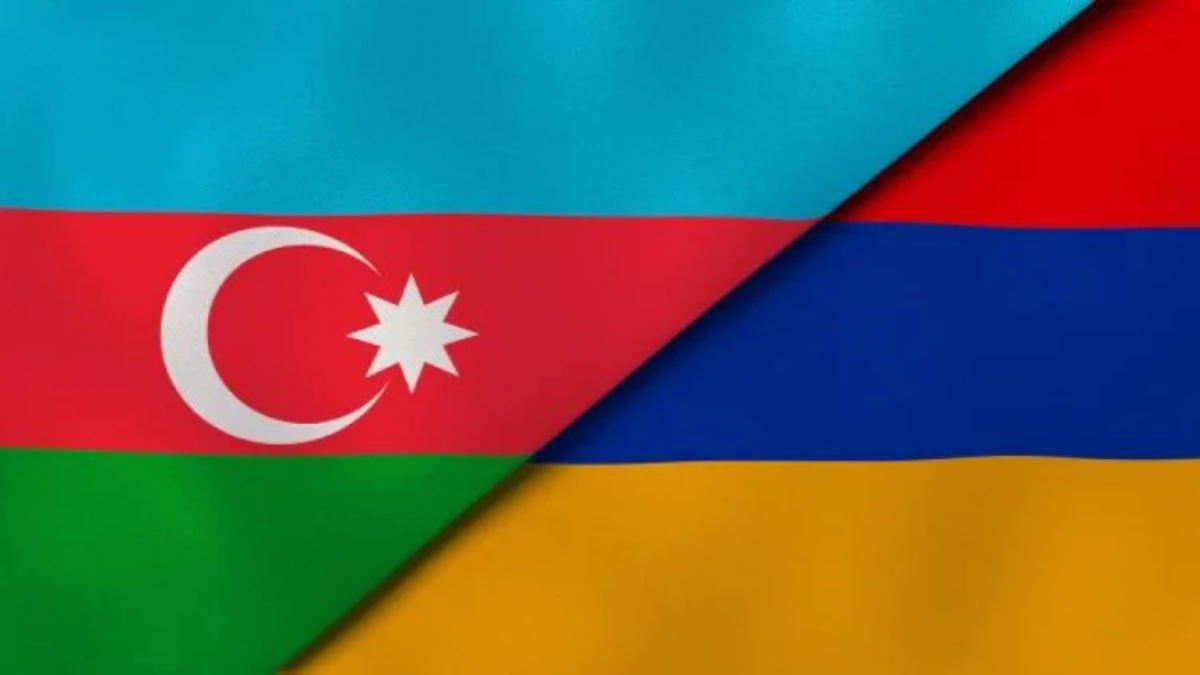
Telecom Armenia and AzerTelecom have signed a bilateral agreement for reciprocal internet transit services, adding a digital connectivity layer to the South Caucasus corridor map after years of conflict between Armenia and Azerbaijan.
AzerTelecom said the agreements will allow Armenia's international internet connectivity to be provided through Azerbaijan. The company presented the deal as a step that will expand its transit geography and strengthen regional network reliability.
Armenpress, citing Telecom Armenia, said the agreement will allow commercial internet traffic to transit through the territories of Armenia and Azerbaijan. Telecom Armenia said the deal is aimed at diversifying routes, improving resilience and developing telecom cooperation between the two countries.
The agreement is not a political settlement, and the companies have described it in commercial and infrastructure terms. Its regional weight comes from the route itself: Armenian and Azerbaijani telecom operators are creating reciprocal traffic channels at a time when transport, trade and connectivity files are becoming central to South Caucasus diplomacy.
The deal also adds a digital component to a corridor agenda usually discussed through roads, railways, energy routes and border openings. Internet transit does not resolve the political disputes left by the Karabakh file, but it creates a form of technical interdependence between two markets that have had limited direct infrastructure cooperation.
AzerTelecom has been positioning itself as a regional digital transit operator, while Telecom Armenia is seeking more diversified external connectivity. The agreement gives both companies a practical route to widen network options without presenting the deal as a diplomatic breakthrough.
For the South Caucasus, the importance of the pact lies in its narrow but concrete scope. It shows that connectivity between Armenia and Azerbaijan can move first through commercial infrastructure, even while the wider peace process remains politically fragile.
Sources: AzerTelecom, Armenpress, Bosphorus News review and reporting.