
By Bosphorus News Geopolitics Desk | April 23, 2026 | Analysis
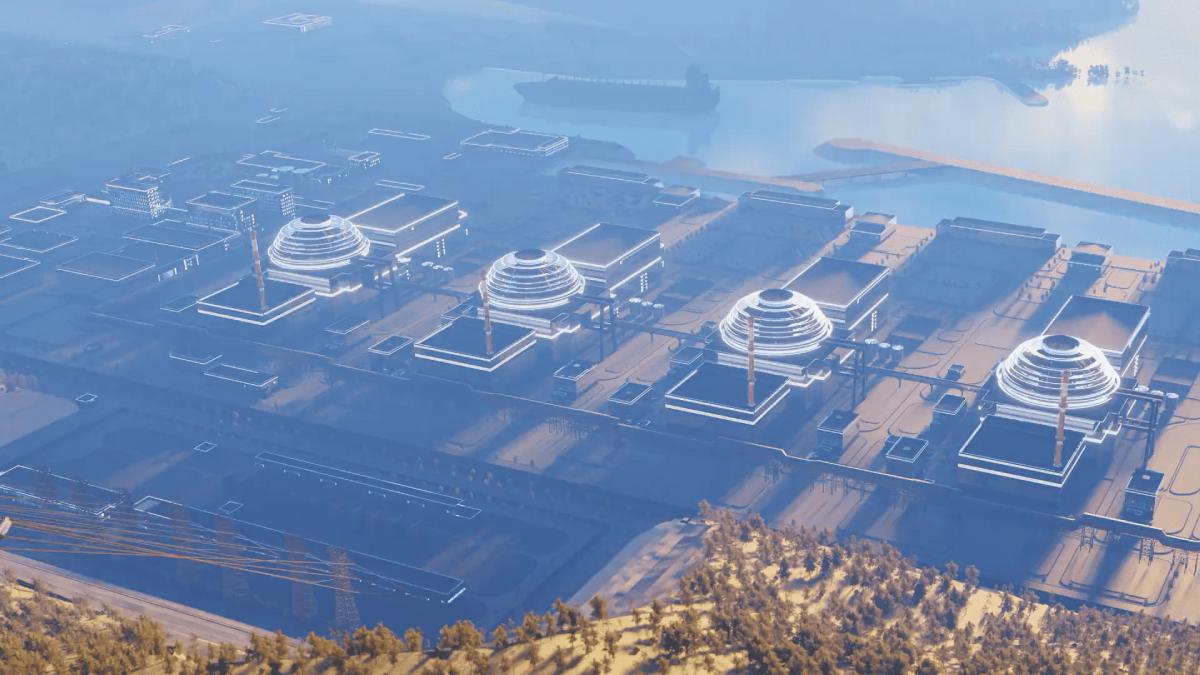
Türkiye imports 72 percent of its energy. Akkuyu, under construction in Mersin, is designed to address part of that gap. When fully operational, its four Russian-built VVER-1200 reactors will supply approximately 10 percent of the country's electricity.
The financial architecture behind the project tells a different story from the official one. In December 2025, Energy Minister Alparslan Bayraktar confirmed that Russia had provided approximately $9 billion in new financing through Rosatom, as reported by Bosphorus News. The project was signed under a 2010 intergovernmental agreement valued at $20 billion. Moscow is financing construction, owning the facility, supplying the fuel and operating the plant. Türkiye is consuming the electricity.
A new analysis by Kirsten Harrod at Geopolitical Monitor frames the core problem directly: Akkuyu does not eliminate external energy dependence. It transforms its form, shifting Türkiye from market exposure to structural and technological reliance on a single state actor. Unlike gas contracts, nuclear dependence cannot be renegotiated quietly. Fuel cycles, waste handling and operational systems bind future governments to decisions made today.
The NATO dimension adds a layer the domestic debate rarely acknowledges. A Russian state-controlled facility sits embedded within a NATO member's critical infrastructure on the Mediterranean coast. In a crisis scenario involving Moscow, Ankara's room to manoeuvre narrows around a facility it cannot independently operate or replace.
On security, Harrod's assessment is measured. Direct kinetic attack is unlikely given escalation risks. The more plausible threats are cyberattacks, sabotage and infrastructure disruption. Mersin Port's proximity to Akkuyu concentrates high-value targets in a single corridor.
Regional perceptions are already shifting. Israeli officials have described Türkiye as a "new Iran." Greek and Cypriot policymakers frame Türkiye's expanding nuclear capacity as a factor in the regional power balance. The proliferation concern is not immediate, but it is shaping threat assessments across the Eastern Mediterranean.
Bosphorus News examined the same structural tension in February. As analysed here, Akkuyu strengthens energy security but constrains energy sovereignty. Security is about supply. Sovereignty is about control. Once the reactor achieves first criticality, that distinction becomes irreversible.
***The full analysis is available at Geopolitical Monitor. Credit: Kirsten Harrod, April 23, 2026.
Note: Geopolitical Monitor's analysis cites total project costs exceeding $30 billion. Multiple sources, including Reuters, place the figure at $20 billion based on the original 2010 intergovernmental agreement. Bosphorus News has not independently verified the higher figure.