
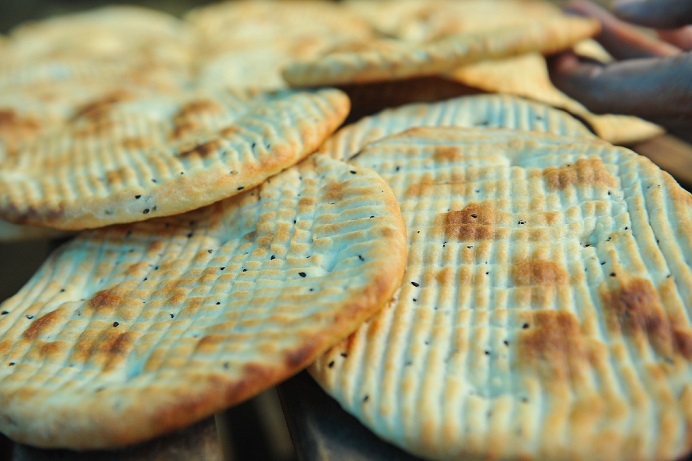
In a significant boost for local producers and Turkey's ambitious export strategy, the traditional baked good, Maraş Çöreği (Maraş Bun), has been officially registered as a Geographical Indication (GI) by the European Union. This recognition is not just a cultural accolade; it's a powerful economic tool that protects the product's name and distinct qualities across the 27-nation bloc.
The 44th Star in Turkey's EU Portfolio
The registration of Maraş Çöreği—a slightly sweet, ring-shaped bun with a centuries-old history—officially makes it the 44th Turkish product to receive this protected status from the EU.
The news was enthusiastically shared by officials, including the President of the Union of Chambers and Commodity Exchanges of Turkey (TOBB), M. Rifat Hisarcıklıoğlu. TOBB has been a driving force behind the national effort to brand and protect local Turkish products internationally.
TOBB President M. Rifat Hisarcıklıoğlu stated, "This achievement is a source of pride for Kahramanmaraş and our entire country. It underscores the immense product diversity we possess. As TOBB, we continue our intensive efforts, with dozens more products currently in the process of EU registration."
What the EU Geographical Indication Means
A Geographical Indication (GI) is a quality label that certifies a product originates from a specific geographical area and possesses a quality, reputation, or characteristic essentially attributable to that origin.
For Maraş Çöreği, this means:
- Legal Protection: The name "Maraş Çöreği" is now legally protected against imitation and misuse throughout the EU, ensuring that only genuine products made according to the defined traditional method in the Kahramanmaraş province can use the name.
- Economic Value: This recognition typically translates into higher export value and a stronger competitive edge. European consumers often associate GI status with authenticity, quality, and traditional production methods, making them willing to pay a premium.
- Preservation of Tradition: The registration legally locks in the traditional preparation techniques, including the use of a grooved beech rolling pin, small rounds no wider than 15 centimeters, and stone-oven baking.
The bun joins other well-known Turkish products on the EU list, such as Gaziantep Baklavası, Malatya Kayısısı (Malatya Apricot), and Aydın İnciri (Aydın Fig), further cementing Turkey's place on the map of world-class regional foods.
A Growing List and Future Goals
The registration process for Maraş Çöreği was spearheaded by the Kahramanmaraş Union of Chamber of Tradesmen and Craftsmen. The success builds on earlier GI triumphs for the province, which already boasts EU protection for Çağlayancerit Walnuts and Maraş Tarhanası (a dried, fermented specialty).
The latest achievement moves Turkey closer to its target of significantly increasing its portfolio of EU-registered delicacies. Authorities have publicly stated an ambition to raise the number of EU-recognized items to 60 in the near future, with numerous applications already moving through the rigorous EU procedures.
This collective effort, championed by organizations like TOBB, ensures that Turkey's rich culinary heritage is not only preserved but also marketed effectively to the world, providing sustainable income and international prestige for local communities.