
By Bosphorus News Geopolitics Desk
Türkiye and Saudi Arabia moved their repaired relationship into a more functional regional phase this week, using a high-level meeting in Ankara to widen coordination across diplomacy, energy, defence, transport and regional security.
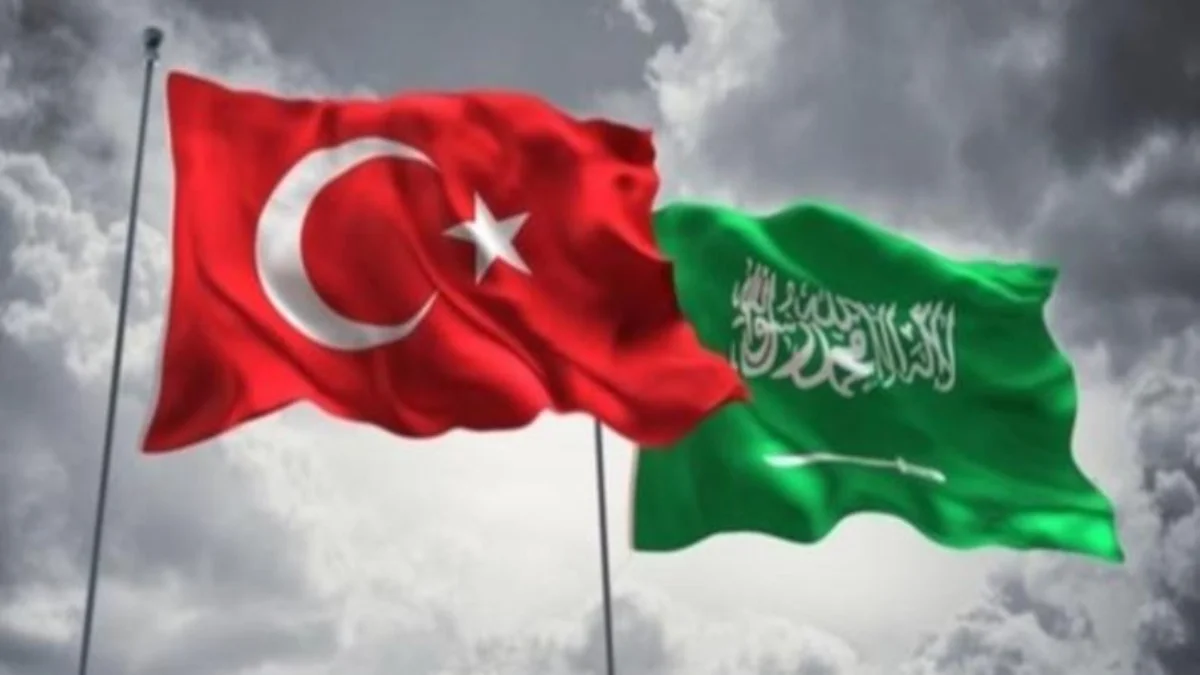
Foreign Minister Hakan Fidan and Saudi Foreign Minister Prince Faisal bin Farhan co-chaired the third meeting of the Türkiye-Saudi Arabia Coordination Council in Ankara on May 6. The two ministers signed a mutual visa exemption agreement for holders of diplomatic and special passports, a limited but politically useful step in a relationship that has moved far beyond the rupture caused by the 2018 killing of Saudi journalist Jamal Khashoggi in Istanbul. Türkiye's Foreign Ministry confirmed the meeting, while Saudi Arabia's state news agency said the talks reflected the two governments' commitment to strengthening coordination across all fields.
The agreement gave the meeting its visible outcome. The heavier message came from the agenda around it. Reuters reported ahead of the talks that Fidan was expected to underline Türkiye's "regional ownership" approach, Ankara's constructive role in efforts to end the war in Iran and the need to prevent developments around the Strait of Hormuz from producing new tensions or provocations.
That language places the Ankara meeting inside the same security map now shaping Gulf diplomacy: Iran's war with the U.S. and Israel, pressure on maritime traffic around Hormuz, uncertainty over the future of Syria and the search by Gulf capitals for more diversified security partnerships.
The May 6 meeting also builds on a political repair process that had already moved beyond symbolism. As Bosphorus News reported earlier, President Recep Tayyip Erdoğan's February visit to Riyadh placed energy, defence industry cooperation and visa facilitation at the centre of the post-Khashoggi reset.
That sequence now points to the formation of a practical channel between Ankara and Riyadh. Türkiye wants to avoid a wider regional war that could destabilize its eastern border, complicate its Syria policy and increase pressure on energy and trade routes. Saudi Arabia wants Hormuz reopened and protected without being pulled deeper into a conflict that could expose Gulf infrastructure, shipping and investment plans to further risk.
Syria gives the relationship another layer. The fall of Bashar al-Assad's regime and the emergence of a new order in Damascus have changed the strategic map for both countries. Türkiye has direct military and political weight in Syria. Saudi Arabia has money, diplomatic reach and a strong interest in preventing Iran from rebuilding the leverage it lost through Syria and Lebanon. Erdoğan's February meeting with Crown Prince Mohammed bin Salman already linked bilateral cooperation to Syria's stability and reconstruction, Reuters reported at the time.
The Ankara meeting comes at a moment when Turkish and Saudi calculations are moving closer, even without a formal alliance structure. Both capitals want to prevent a regional breakdown that could empower armed non-state actors, disrupt trade routes or give Israel and Iran more room for military escalation. Both also see value in a regional framework that is not controlled entirely by Washington, Tehran or Tel Aviv.
President Erdoğan later received Prince Faisal at the Presidential Complex, with Fidan also present. The Communications Directorate gave no detailed readout, but the reception added political weight to a visit already framed through institutional coordination rather than a single bilateral file.
The defence and energy components remain the areas to watch. No detailed military outcome was announced after the coordination council meeting, but the agenda's breadth shows where the relationship is heading. Saudi Arabia is looking for partners that can help reduce dependence on single security channels. Türkiye brings NATO membership, a growing defence industry, operational experience and a diplomatic line that keeps channels open with both Western and regional actors.
The corridor question is equally important. The Hormuz crisis has revived interest in land and pipeline routes that could reduce Gulf dependence on vulnerable maritime chokepoints. Türkiye's geography gives Ankara a natural role in any serious discussion about overland energy and trade routes linking the Gulf, Syria, Jordan and European markets.
The Ankara meeting turns a repaired bilateral relationship into a working regional channel. Its value will be tested in the files now crowding the same table: Iran diplomacy, Hormuz security, Syria's reconstruction, Gulf defence diversification and the search for routes that can keep trade moving when maritime chokepoints become instruments of pressure.