
By Bosphorus News Geopolitics Desk
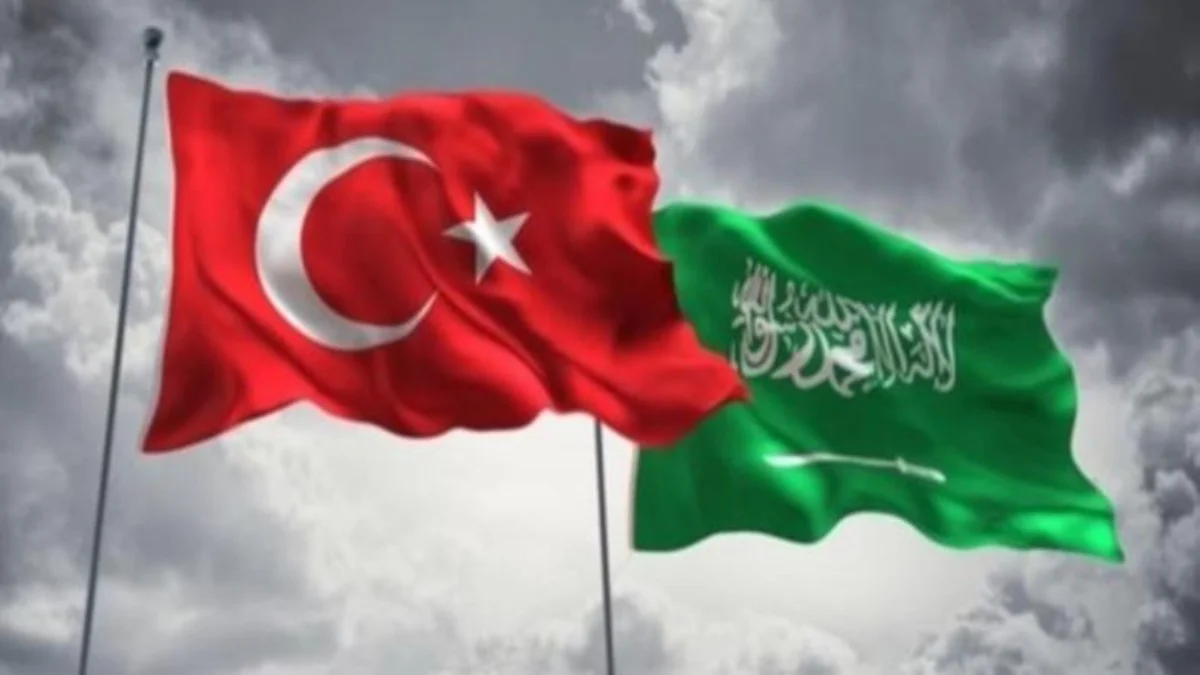
Türkiye and Saudi Arabia will hold the third meeting of their Coordination Council in Ankara on May 6, moving a relationship once frozen by the Jamal Khashoggi killing into a new phase built around visa facilitation, energy investment and regional security coordination.
Turkish Foreign Minister Hakan Fidan and Saudi Foreign Minister Prince Faisal bin Farhan Al-Saud will co-chair the meeting, according to the Turkish Ministry of Foreign Affairs. The council was established in 2016, held its first meeting in Ankara in 2017 and was suspended after Khashoggi was killed inside the Saudi consulate in Istanbul in October 2018.
The council reconvened in Riyadh on May 18, 2025, after the broader diplomatic repair that began in 2021. Wednesday's Ankara meeting is the third session and the clearest sign yet that the reset has moved beyond symbolic reconciliation.
The agenda covers political and diplomatic affairs, military and security cooperation, culture, sports, media and tourism, social development, health, education, trade, industry, investment, infrastructure and energy, according to the Turkish Foreign Ministry.
A mutual visa exemption agreement is expected to be signed during the meeting, Turkish Foreign Ministry sources cited by BBC Türkçe said. The agreement's formal title covers holders of diplomatic and special passports. In Türkiye, special passports are commonly known as green passports and are issued to senior state officials, certain civil servants, exporters and eligible family members.
Saudi citizens already enter Türkiye without a visa.
A Turkish diplomatic source cited by Reuters also indicated that the arrangement could extend to ordinary passport holders. That point has not appeared in the official Turkish Foreign Ministry statement and should remain treated as unconfirmed until the signing text is published.
The visa file matters because it lowers the political temperature around a relationship that collapsed after the Khashoggi killing. But the larger story is now economic.
Energy cooperation has become one of the main engines of the post-2021 rapprochement. President Recep Tayyip Erdoğan visited Saudi Arabia on February 3, 2026 and met Crown Prince Mohammed bin Salman. Four agreements were signed during that visit, covering renewable energy and the peaceful uses of outer space, according to BBC Türkçe.
The centrepiece was a 2 billion dollar renewable energy agreement signed by Energy and Natural Resources Minister Alparslan Bayraktar. The plan is expected to add about 5,000 megawatts of renewable energy production capacity in Türkiye.
Under the intergovernmental agreement signed in Riyadh on February 3, Saudi companies will develop solar and wind projects in Türkiye with a total capacity of 5,000 MW. The first phase includes two 1,000 MW solar plants in Sivas and Karaman, giving the initial stage a combined capacity of 2,000 MW.
The electricity will be purchased by EÜAŞ, Türkiye's state electricity generation company, for 30 years. At the end of that period, EÜAŞ will have the right to take over the plants at no cost. Land ownership will remain with EÜAŞ throughout the project.
The legislative text submitted to the Turkish Grand National Assembly for ratification in May 2026 says the projects will be financed entirely through external funding and carry the status of direct foreign investment.
That structure gives the Türkiye-Saudi reset a more durable foundation than diplomatic language alone. Riyadh gains a long-term position in Türkiye's renewable energy infrastructure. Ankara gains Gulf capital, power generation capacity and a deeper investment channel at a time when energy security has become a central economic and strategic issue.
Bilateral trade reached 8.5 billion dollars in 2025. The short-term target is 10 billion dollars, according to Turkish Foreign Ministry sources.
The political repair behind those figures was difficult. Erdoğan publicly criticised Saudi leadership after Khashoggi's killing and pressed the issue on international platforms. Riyadh denied state involvement at the highest levels. Türkiye transferred the Khashoggi trial to Saudi Arabia in 2022, a step that opened the way for a broader regional reset with Gulf capitals.
The Ankara meeting also comes during a volatile regional moment. Fidan is expected to stress Türkiye's support for regional ownership in addressing Middle East crises and to reaffirm Ankara's contribution to efforts aimed at ending the war in Iran, according to a Turkish diplomatic source cited by Reuters.
He is also expected to warn against escalation around the Strait of Hormuz, saying developments in the strategic waterway should not trigger new tensions.
That gives the Coordination Council a wider meaning. Türkiye and Saudi Arabia are no longer using the mechanism only to repair a damaged bilateral relationship. They are testing how far the post-Khashoggi reset can be turned into energy infrastructure, Gulf investment, visa mobility and regional crisis management.