
By Bosphorus News Energy Desk
Russia has stepped up its public warnings over the security of TurkStream and Blue Stream, presenting the issue as a threat to gas flows serving both Türkiye and parts of Europe. Reuters reported on 19 March that the Kremlin accused Ukraine of intensifying attacks on Gazprom compressor stations linked to the two routes and said the incidents endangered critical infrastructure and international energy corridors.
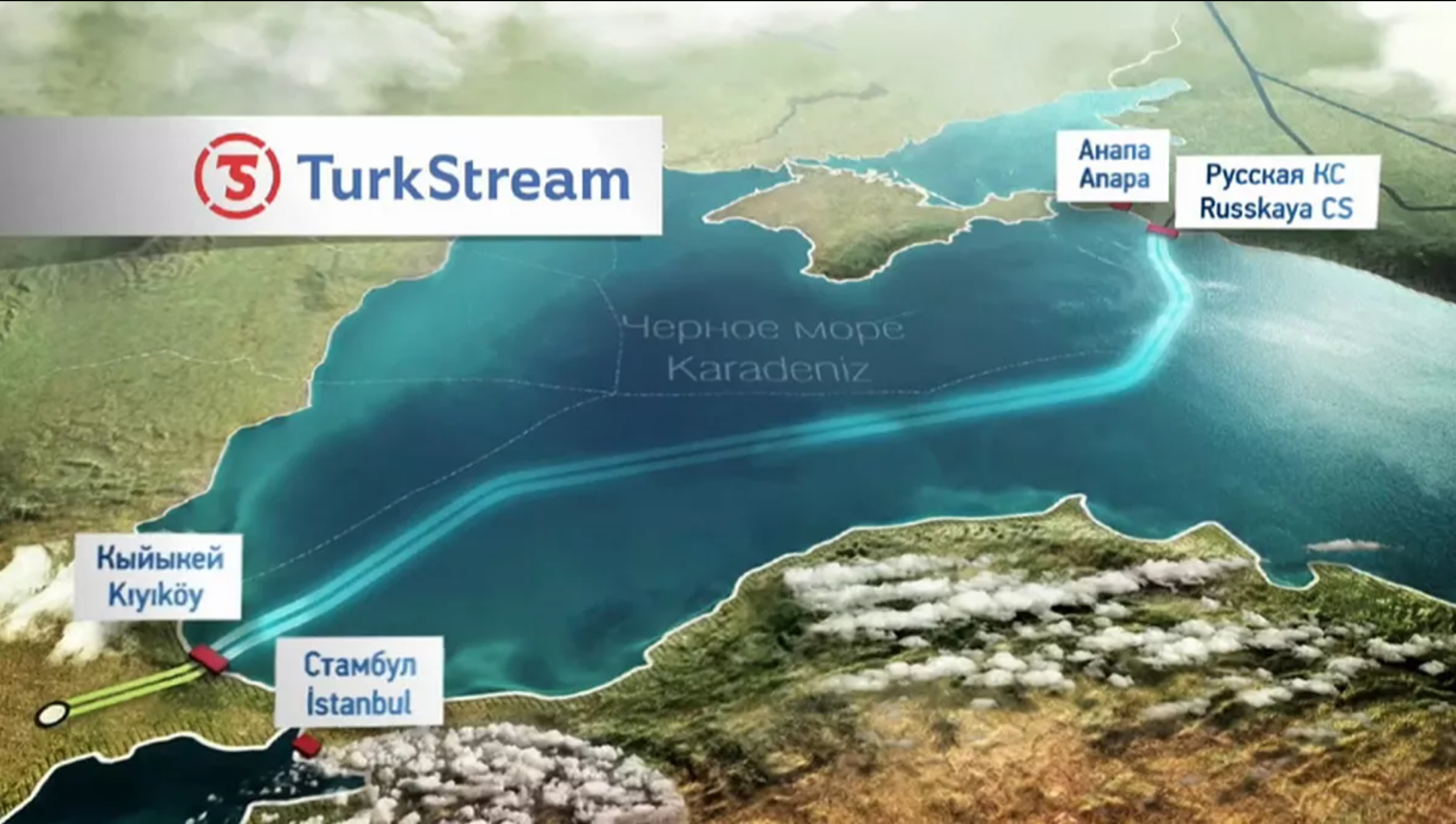
The latest statements follow earlier Russian claims around the same network. Reuters reported on 11 March that Gazprom said facilities tied to TurkStream and Blue Stream had come under attack 12 times over the previous two weeks, including the Russkaya station that feeds TurkStream under the Black Sea. The same report noted that Türkiye is now the only remaining transit route for Russian gas to Europe.
Russia and Hungary have both publicly blamed Ukraine over threats to TurkStream-linked infrastructure. Türkiye has addressed the matter through energy diplomacy rather than public accusation, while Ukraine has not publicly commented on the specific claims cited by Reuters.
Moscow's line has been the clearest. After Sergey Lavrov's 17 March call with Foreign Minister Hakan Fidan, the Russian Foreign Ministry said the two sides discussed Russian-Turkish energy cooperation with special emphasis on preserving conditions for the uninterrupted operation of Blue Stream and TurkStream. Reuters, citing both the Russian and Turkish foreign ministries, reported that the conversation also covered energy security and protection of the two pipelines.
Budapest has framed the pipeline in direct national terms. In a January statement that still anchors Hungary's public position, Foreign Minister Péter Szijjártó said the European Commission had given guarantees tied to Hungary's energy security, including protection of TurkStream. He described threats to energy supply as matters of sovereignty and national security.
Ankara has been more careful in public. Reuters reported on 17 March, citing the Turkish Foreign Ministry, that Fidan discussed energy security and the protection of Blue Stream and TurkStream in his call with Lavrov. I have not found a separate public Turkish statement directly accusing Ukraine of carrying out the alleged attacks.
Ukraine's public position remains limited on this specific file. Reuters reported on 19 March that there was no immediate Ukrainian comment on the allegations tied to TurkStream and Blue Stream.
The pipelines carry more weight after Russian gas transit through Ukraine ended on 1 January 2025. Reuters reported at the time that Hungary would continue receiving Russian gas via TurkStream even as the Ukrainian route shut down, increasing the value of Black Sea pipeline links for both Türkiye and parts of Central Europe.
Bosphorus News previously reported Russian claims that Gazprom-linked facilities serving TurkStream and Blue Stream had come under repeated drone attack, while noting that those claims originated from Russian official sources and Gazprom.
What began as another round of Russian claims over pipeline security is now drawing in other capitals with different priorities. Moscow is using the file to stress the vulnerability of energy corridors outside the battlefield. Budapest is treating TurkStream as a direct national interest. Ankara is keeping the subject inside a narrower diplomatic channel and avoiding public escalation. That contrast, more than the rhetoric itself, is what gives the story its shape.