
By Bosphorus News Energy Desk
Russia has accused Ukraine of carrying out a sustained drone campaign against the gas pipeline infrastructure in southern Russia that feeds Türkiye and southeastern Europe with natural gas, with Gazprom reporting 12 separate attacks over an 18-day period and warning that strikes are continuing.
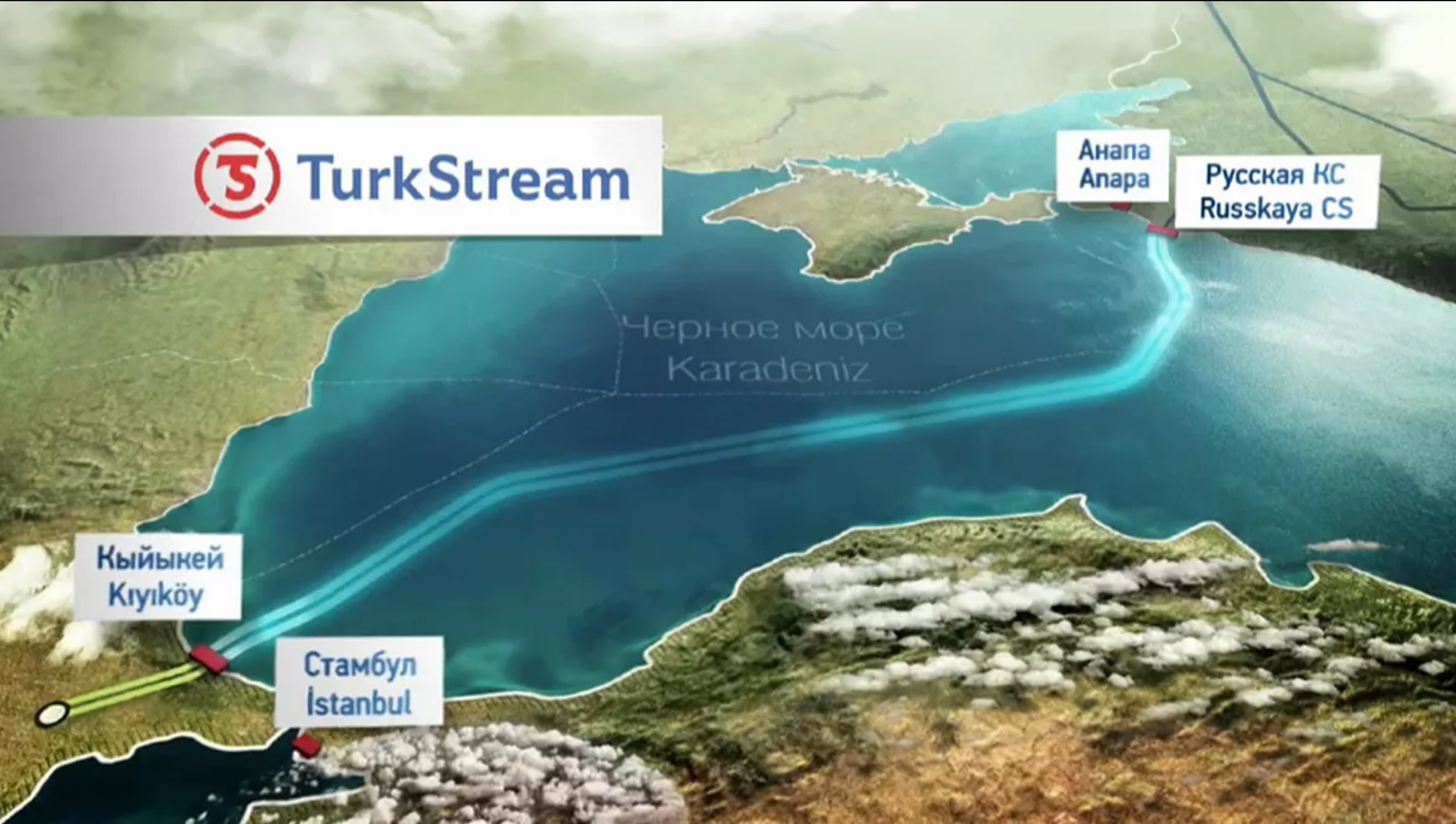
The Russian energy giant disclosed on Wednesday that facilities linked to the TurkStream and Blue Stream pipelines had been targeted repeatedly since 24 February, with the Russkaya, Beregovaya and Kazachya compressor stations in the Krasnodar region all hit. Gazprom said in a Telegram statement that all attacks had been repelled and that pipeline operations had not been interrupted.
Russia's Defense Ministry confirmed the strikes in a separate statement, specifying that 10 Ukrainian drones were intercepted over the Russkaya compressor station on the morning of 12 March between 03:55 and 06:45 Moscow time, and that 14 drones had been downed over the Beregovaya station the night before. The ministry said no damage was caused in either case.
Kremlin: "Reckless Actions" on an International Facility
Kremlin spokesman Dmitry Peskov addressed the attacks directly on Wednesday, describing Ukraine as acting in a reckless manner and warning of the broader implications for European energy security.
"This is yet another attack on an international facility, an international pipeline that ensures the energy security of Turkey and several other countries," Peskov said, adding: "The Kiev administration is carrying out reckless actions."
Peskov also said Russia had previously conveyed to Ankara information about Ukraine's intentions to sabotage the pipelines, and characterised the ongoing strikes as "very alarming." He noted that "the significance of these routes is difficult to overestimate in terms of the continent's energy security," particularly at a moment of heightened disruption in global energy markets linked to the conflict involving Iran.
Ukraine had not publicly commented on the claims at the time of publication.
Putin Had Warned on 24 February
The attacks follow a warning issued by President Vladimir Putin on 24 February, the fourth anniversary of Russia's full scale invasion of Ukraine, when he stated that Moscow possessed "operational information" suggesting Ukraine was planning sabotage operations against TurkStream and Blue Stream in the Black Sea.
"They cannot calm down and are trying to provoke something that would derail efforts to reach a diplomatic settlement," Putin said at the time, in reference to US mediated ceasefire talks.
What Is at Stake: The Pipelines
The infrastructure under attack carries outsized strategic importance, particularly following the expiry at the end of 2024 of Ukraine's gas transit agreement with Russia, which had previously been the main route for Russian gas into Europe.
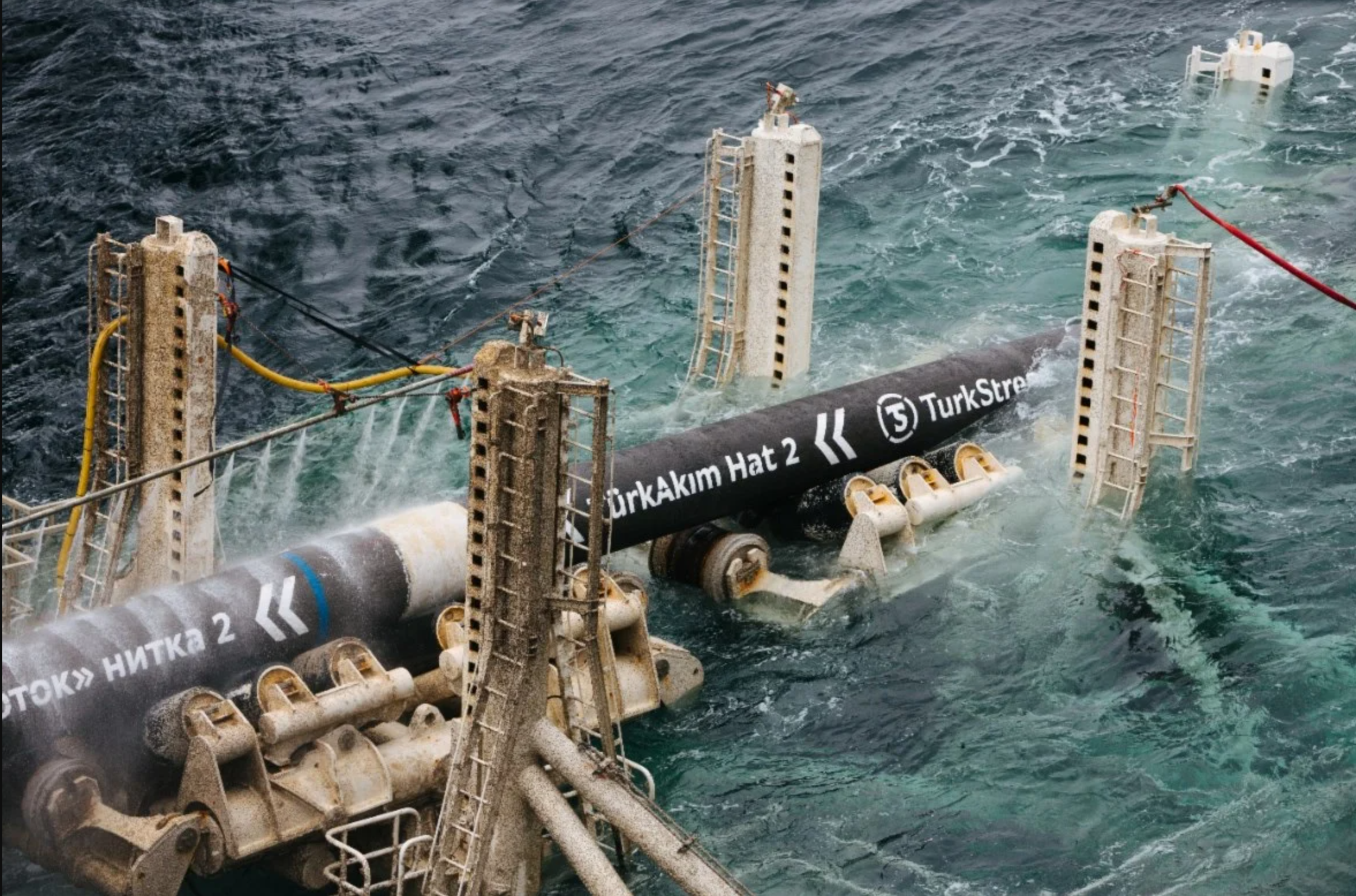
TurkStream runs approximately 930 kilometres across the Black Sea from Russia's Krasnodar region to Türkiye's Thrace coast, with a combined annual capacity of 31.5 billion cubic metres across two parallel lines. One line serves Türkiye's domestic market; the second feeds southeastern and central Europe via Bulgaria. The Russkaya compressor station near Anapa is the pipeline's starting point and has been the most frequently targeted facility in the current series of attacks.
Blue Stream, jointly owned by Gazprom and Italy's Eni and operational since 2003, runs 1,213 kilometres from Russia to Türkiye's Black Sea port of Samsun and carries up to 16 billion cubic metres per year. The Beregovaya compression hub near Arkhipo-Osipovka is a critical node for Blue Stream.
Together the two pipelines are the backbone of Russian gas deliveries to Türkiye, which consumes roughly 54 billion cubic metres of natural gas per year. Russian pipeline gas exports to Türkiye rose more than a quarter in the first seven months of 2025 compared to the same period the previous year, reaching approximately 12.7 billion cubic metres.
Hungary Enters the Dispute
The attacks have drawn in a third party. Budapest entered the dispute after Russian and Ukrainian claims around the pipeline network intersected with its own supply concerns. Hungary receives Russian gas via TurkStream and routes a portion onward to Slovakia, making the pipeline's security a direct national interest.
Hungarian officials were reported to have accused Ukraine following Russian claims of the attacks, adding a new layer of diplomatic tension at a moment when Hungary and Ukraine are already at odds over energy transit: on 27 January, Ukraine halted energy deliveries through the Druzhba pipeline to Hungary and Slovakia, prompting Budapest to block a 90-million-euro credit line to Kyiv.
A Compounding Energy Crisis
The strikes come at a moment of exceptional volatility in global energy markets. Iran's blockade of the Strait of Hormuz, now in its tenth day in response to US and Israeli strikes on Iranian territory, has disrupted a waterway through which approximately 20 percent of global oil transit passes. Putin said on Monday that Russia stood ready to supply oil and gas to European buyers, warning that a Hormuz blockade could trigger inflation and industrial disruptions across the continent.
Peskov described the pipeline attacks during this period as "especially irresponsible," adding that the convergence of crises compounds risk for energy-importing nations.
***Ukraine has not confirmed or denied involvement in the strikes. All claims regarding the attacks originate from Russian government sources and Gazprom. Bosphorus News has reported these claims as stated.